Kazakhstan’s ruling Amanat party to merge into Tokayev-backed Adilet
Amanat is folding into Adilet, a Tokayev-linked party, tightening Kazakhstan’s political field before August elections and leaving competition more managed than expanded.
Kazakhstan’s dominant Amanat party moved to absorb itself into Adilet, a newer party built by allies of President Kassym-Jomart Tokayev, in a shift that strengthens presidential control while keeping the outward shape of political reform. The merger lands as parliamentary elections are expected in August and as officials promote a broader constitutional reset approved in a March 15 referendum and due to take effect on July 1.
Amanat’s decision is significant because the party has won large parliamentary majorities in every election it has contested and has long served as the main instrument of power in the legislature. Its roots go back to 1999, when it was created under Nursultan Nazarbayev’s auspices, and its planned move into Adilet underscores how Kazakhstan’s ruling circle is remaking the party system around Tokayev rather than opening it to real competition. Tokayev, who was chosen as Nazarbayev’s successor and took office in 2019, is expected to leave office when his current term ends in 2029.
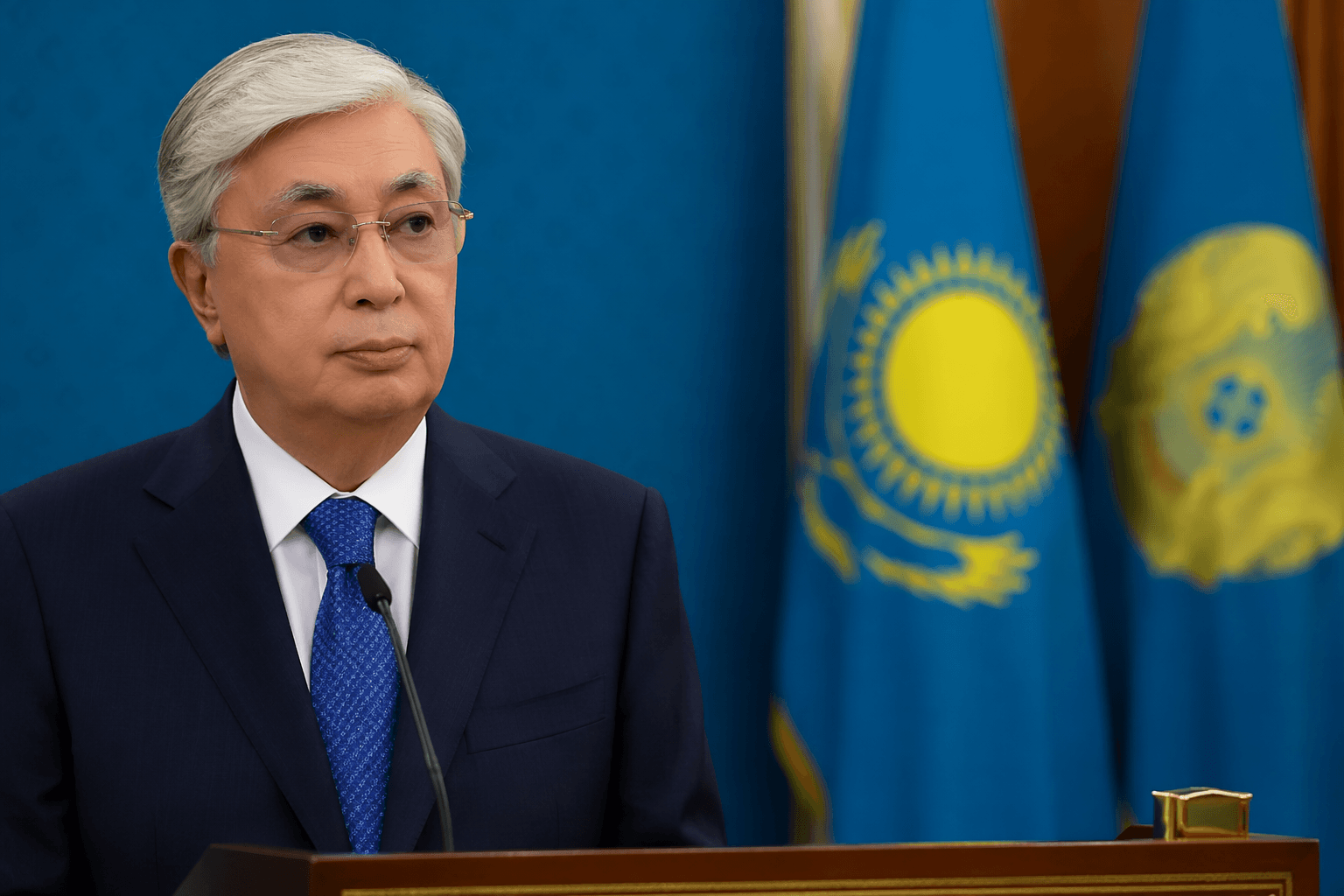
Adilet itself is still new. The party was officially registered by Kazakhstan’s Ministry of Justice on June 1, after holding its founding congress in Astana on May 7, where it approved its charter, political program and leadership bodies and elected Aibek Dadebai as chairman. Recent reporting identified Andrei Lavrentyev, Aigazy Kusainov and Rauan Kenzhekhanyuly among its founding figures, giving the party a roster that is heavy on business and elite connections. The result is less an opposition platform than a pro-presidential vehicle positioned to absorb another loyal structure.
The political choreography was on display again in Astana on June 12, when more than 1,500 delegates gathered at Amanat’s congress, including members of parliament, Political Council members, activists and the youth wing Zhastar Rukhy. That congress backed the merger in line with Tokayev’s call to consolidate progressive socio-political forces. For Kazakhstan, the move fits a familiar pattern: preserve the language of renewal, but keep the levers of power inside a narrow circle.
That pattern has deeper roots in the unrest of 2022, when nationwide violence left hundreds dead and prompted Russian-led peacekeeping forces to deploy after Tokayev and outside observers said Nazarbayev loyalists were trying to regain influence. Against that backdrop, the Amanat-Adilet merger looks like another stage in a controlled political redesign, one that narrows the field before the next vote while presenting the changes as institutional modernization rather than consolidation of rule.
This article was produced by Prism’s automated news system from verified source data, official records, and press releases, then run through automated quality and moderation checks before publishing. The system is built and supervised by the people who set the standards it runs under. Read our full AI policy.
Did this article answer your question?

