KCEN Documents Lincolnville Freedmen Town Heritage and Snow Family Memories
A multimedia feature released Feb 9 documented Lincolnville's freedmen's town heritage and Snow family memories, preserving local Black history important to Coryell County residents.
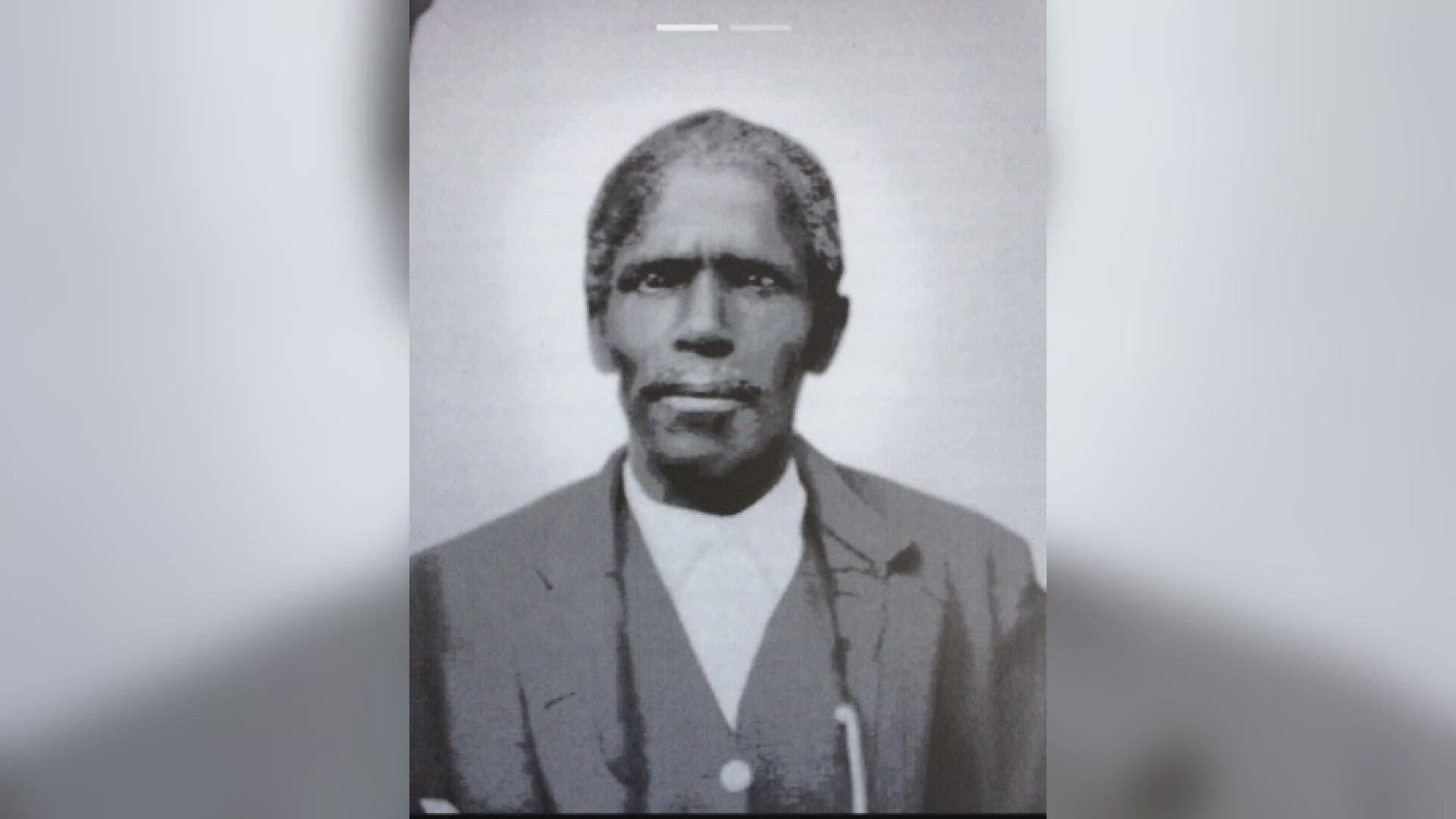
New multimedia coverage documented Lincolnville’s freedmen’s town heritage and recorded personal recollections from the Snow family, preserving a chapter of Coryell County history that residents have long sought to keep alive. The work combines a written feature and short videos to connect family memory with the broader story of a freedmen’s town and its ongoing significance.
The pieces, released Feb 9, 2026, present oral histories, family photographs, and community context that trace how Lincolnville formed and how descendants have maintained ties to the land and local institutions. The Snow family’s memories anchor the narrative, offering first-person perspectives on daily life, community rituals, and the challenges of passing history from one generation to the next. Those recollections illuminate Lincolnville not as a static relic but as a living place where identity, belonging, and remembrance intersect.
For Coryell County residents, the coverage matters because it foregrounds local Black heritage that has often been overlooked in public records and planning. Preserving these histories supports cultural continuity and can inform how the county approaches historic markers, cemetery care, and educational curricula. The material also serves as a resource for descendants seeking documentation of land use, family relationships, and community institutions that shaped lives across decades.
There are public health and policy implications tied to documenting this history. Communities with long histories of marginalization frequently face disparities in access to health services, environmental protections, and economic opportunity. Centering Lincolnville’s story can help public health officials and county leaders understand social determinants of health rooted in historical segregation and disinvestment, and it can guide efforts to direct resources where intergenerational needs are greatest. Immersive storytelling like this can also bolster community mental health by validating memories, strengthening social ties, and promoting pride in local identity.
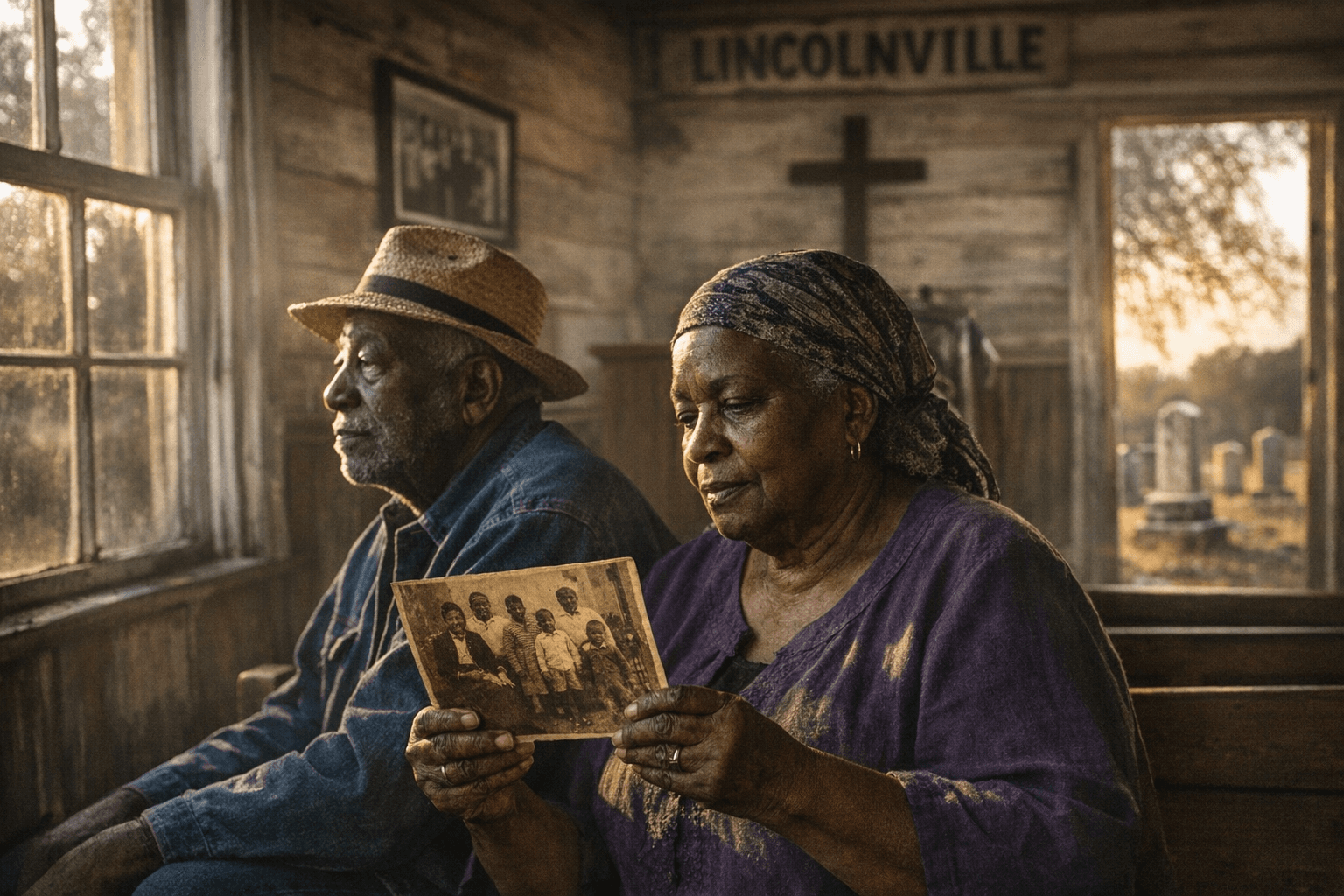
Local organizations and schools can use the written feature and videos as teaching tools for students and as conversation starters for neighbors and policymakers. Preservation of Lincolnville’s archives may also open pathways for grant funding, collaborative preservation projects, and targeted outreach from public health and social services aimed at equity.
Documenting the Snow family memories and Lincolnville’s freedmen’s town heritage is a step toward repair through recognition. For Coryell County readers, the material provides concrete accounts to share at family gatherings, in classrooms, and at county meetings, and it sets the stage for community-led action to safeguard history and pursue equity in health, housing, and public services going forward.
Sources:
Know something we missed? Have a correction or additional information?
Submit a Tip