Kejelcha runs under two hours in London Marathon, finishes second
Yomif Kejelcha ran 1:59:41 in his marathon debut and still finished second, 11 seconds behind Sabastian Sawe in a race that reset the sport’s ceiling.
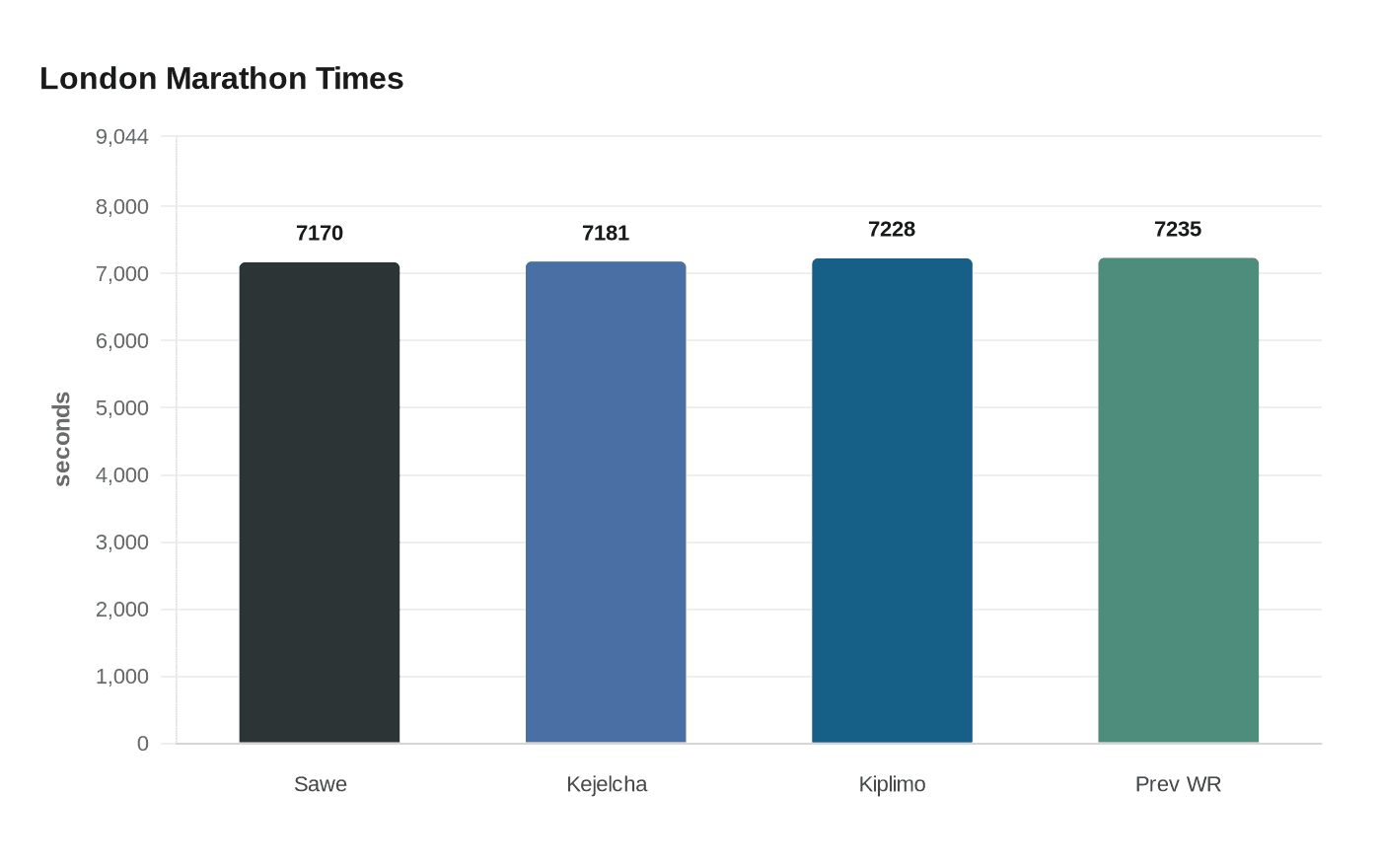
Yomif Kejelcha broke two hours in his first marathon and still had to settle for second. In a London race that rewrote the meaning of elite endurance, the Ethiopian finished in 1:59:41 on Sunday, April 26, 2026, 11 seconds behind Kenya’s Sabastian Sawe, who won in 1:59:30 and became the first man to officially break two hours in a record-eligible marathon.
That is the paradox at the heart of the result: a time once treated as a barrier still was not enough to win. Kejelcha’s mark was the fastest marathon debut ever and the second-fastest marathon time in history, yet it came with no victory tape. For men’s distance running, that is a sign of how quickly the standard has moved. What used to be a landmark for the sport now functions as a place on the podium.
The depth of the race made the message even clearer. Uganda’s Jacob Kiplimo finished third in 2:00:28, which meant three men ran faster than the previous world record of 2:00:35, set by the late Kelvin Kiptum at the 2023 Chicago Marathon. The top three were separated by less than a minute, and all three left behind a mark that had stood as the summit of the event only months earlier.
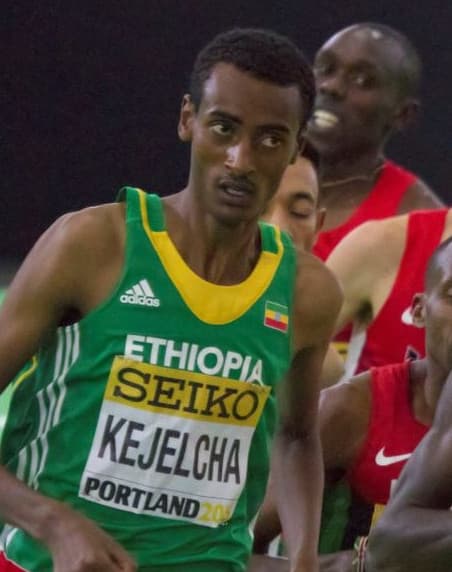
The elite men’s field at the TCS London Marathon had been loaded from the start, with Sawe, Kejelcha, Kiplimo, Joshua Cheptegei and Tamirat Tola all on the line. Kejelcha, born August 1, 1997, arrived with one of the strongest résumés in the sport. World Athletics lists him as a two-time world 10,000m silver medalist, a world indoor 3000m champion, a world indoor 1500m champion and the world half-marathon record holder at 57:30, set in Valencia on October 27, 2024 and later ratified.
That background helps explain why his marathon debut carried such weight. It also explains why the finish did not read like a disappointment. Kejelcha told NPR he was not upset or angry about being second, and said he hopes to run his next marathon about a minute faster. In a race where sub-two-hour running was not enough to win, the bigger story may be that the sport’s new front line now includes multiple men able to run into territory once thought unreachable.
This article was produced by Prism’s automated news system from verified source data, official records, and press releases, then run through automated quality and moderation checks before publishing. The system is built and supervised by the people who set the standards it runs under. Read our full AI policy.
Did this article answer your question?