Kennedy Center tarp fuels fight over Trump name removal and closure
Tarps still covered the Kennedy Center as workers stripped Trump’s name, exposing a larger fight over who controls a national arts landmark and how its $257 million repair plan gets handled.
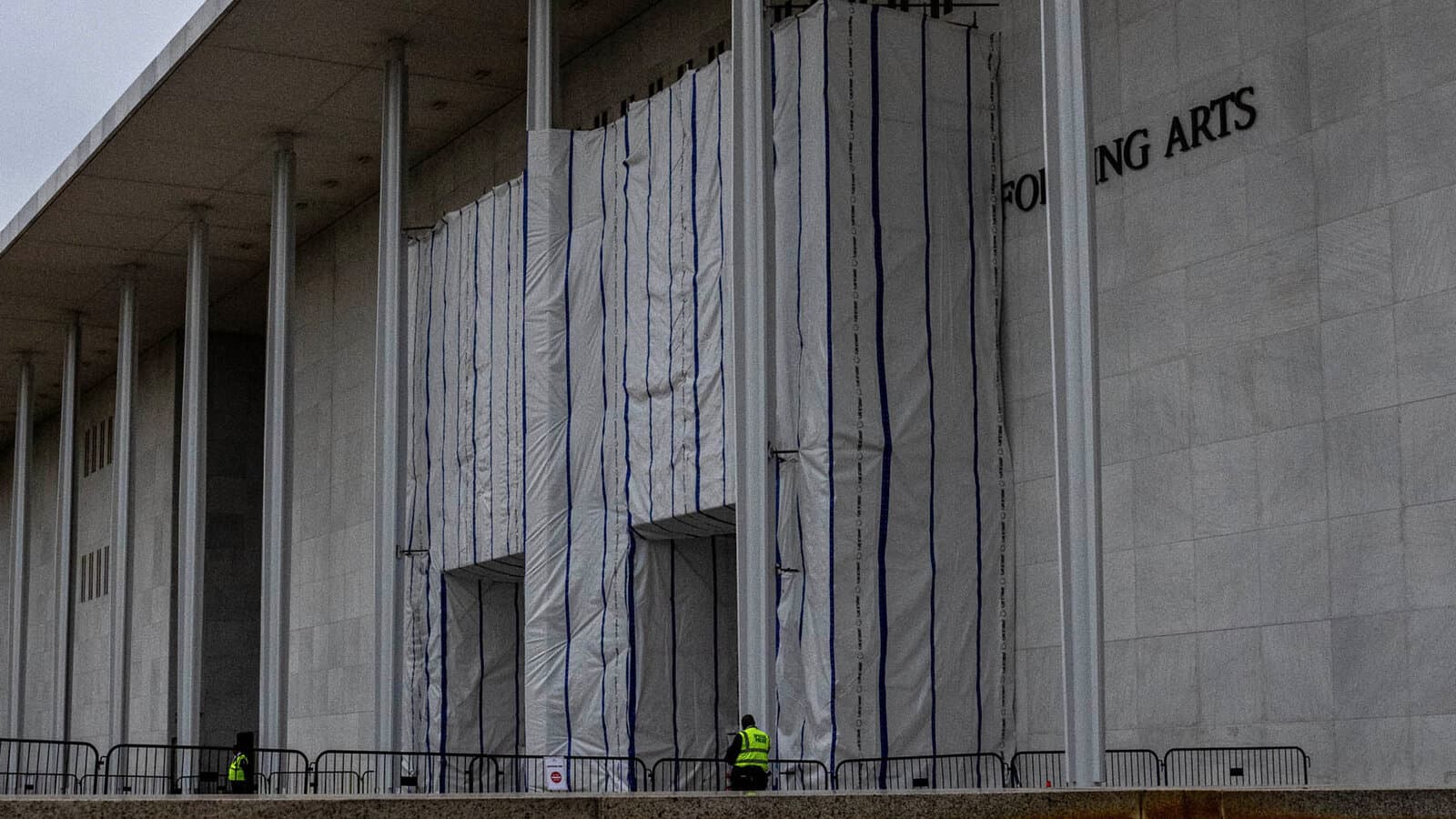
The tarps on the Kennedy Center’s facade did more than hide construction. They turned a familiar Washington landmark into the center of a broader fight over power, public arts stewardship and whether Donald Trump could reshape one of the country’s most visible cultural institutions in his own image.
Workers had covered the exterior while removing Trump’s name from the building, after a staff memo dated June 4 ordered that all references to Trump be stripped from email signatures, letterhead, signage, brochures, website pages and templates by June 12. The center was told to use either “The Kennedy Center” or “The John F. Kennedy Center for the Performing Arts” instead, a move that came after U.S. District Judge Christopher Cooper ruled on May 29 that adding Trump’s name was illegal.
The naming fight is only one piece of a larger legal and political standoff. Cooper also blocked the Trump administration from shutting the center down for major renovations, after Democratic Rep. Joyce Beatty of Ohio filed the lawsuit that led to the ruling. On June 19, the administration told the court the Kennedy Center was still weighing a “partial closure,” even as its board considered a full shutdown, a limited partial closure with some public access, or a phased series of closures.
Trump had first announced on February 2 that he intended to close the center for two years starting in July, following a wave of cancellations by performers and groups after he ousted previous leadership and installed a new board. That plan has now collided with the court order, forcing the White House and the center to defend how long the building can stay open and who gets to decide its future.
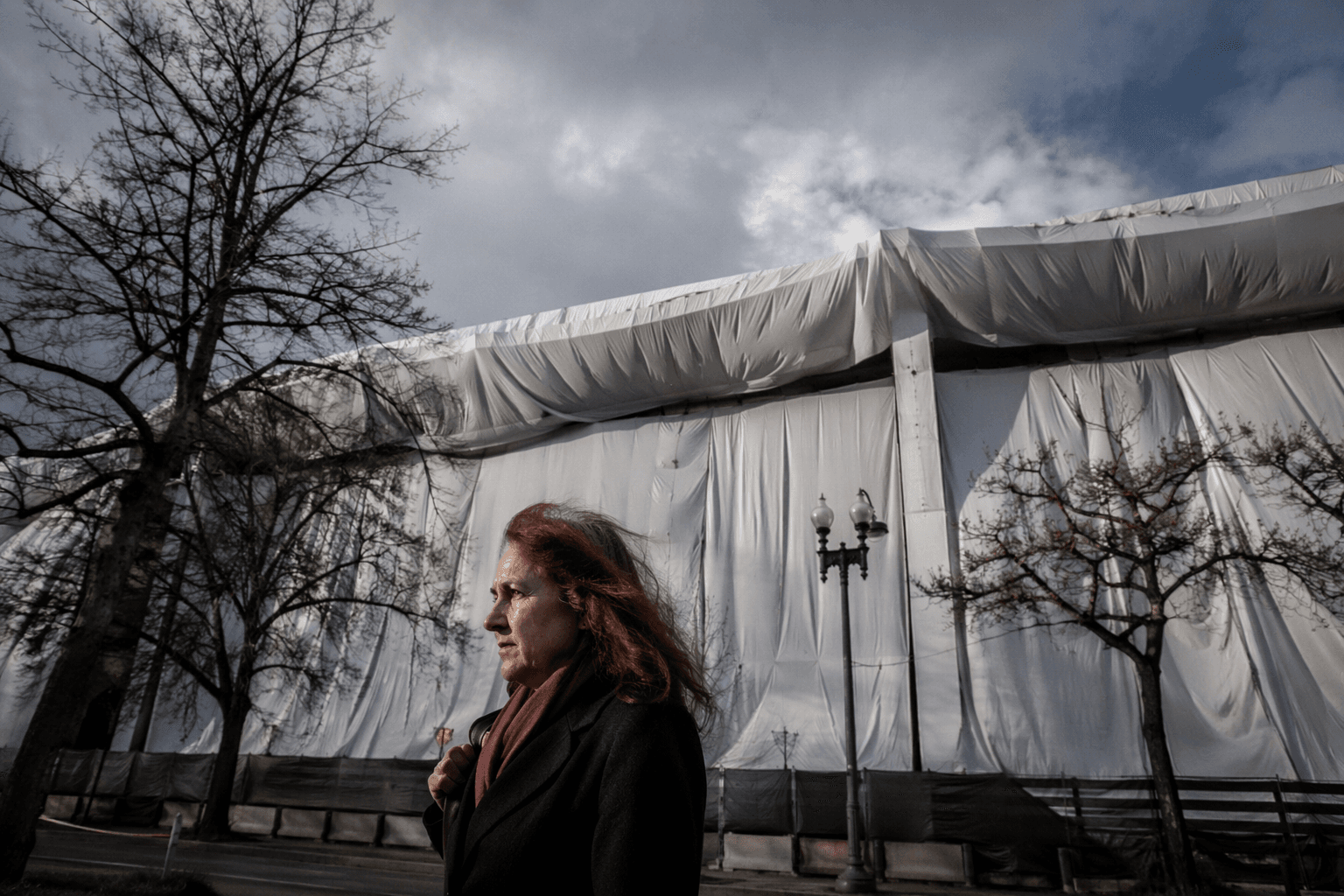
Critics say the tarps are obscuring more than scaffolding. They point to a building caught between symbolic occupation and practical neglect, with preservation groups warning on March 23 that major physical changes could permanently damage the site’s historic fabric and memorial purpose. Trump had suggested the steel supporting the structure could be fully exposed, intensifying fears that the renovation fight was becoming a test of how far political power can go in remaking a national monument.
The center says the renovation itself is a $257 million project meant to address decades of deferred maintenance and critical infrastructure needs. Its own materials say the work will repair hundreds of compromised expansion joints, stop water infiltration and fix hundreds of structural failure points in the parking garage. Construction began in 1966, the building opened in 1971, and the center says it now draws millions of visitors each year to more than 2,000 performances, events and exhibits.
That makes the tarp a national symbol in its own right: a temporary covering for a deeper argument over stewardship, accountability and whether America’s major cultural institutions are being maintained for the public or refashioned for politics.
This article was produced by Prism’s automated news system from verified source data, official records, and press releases, then run through automated quality and moderation checks before publishing. The system is built and supervised by the people who set the standards it runs under. Read our full AI policy.
Know something we missed? Have a correction or additional information?
Submit a Tip