Kennedy reshapes HHS as leadership turmoil rattles public health
Kennedy’s focus on vaccines and food policy has collided with 10,000-plus HHS cuts, CDC leadership churn and outbreak warnings, alarming public health officials.
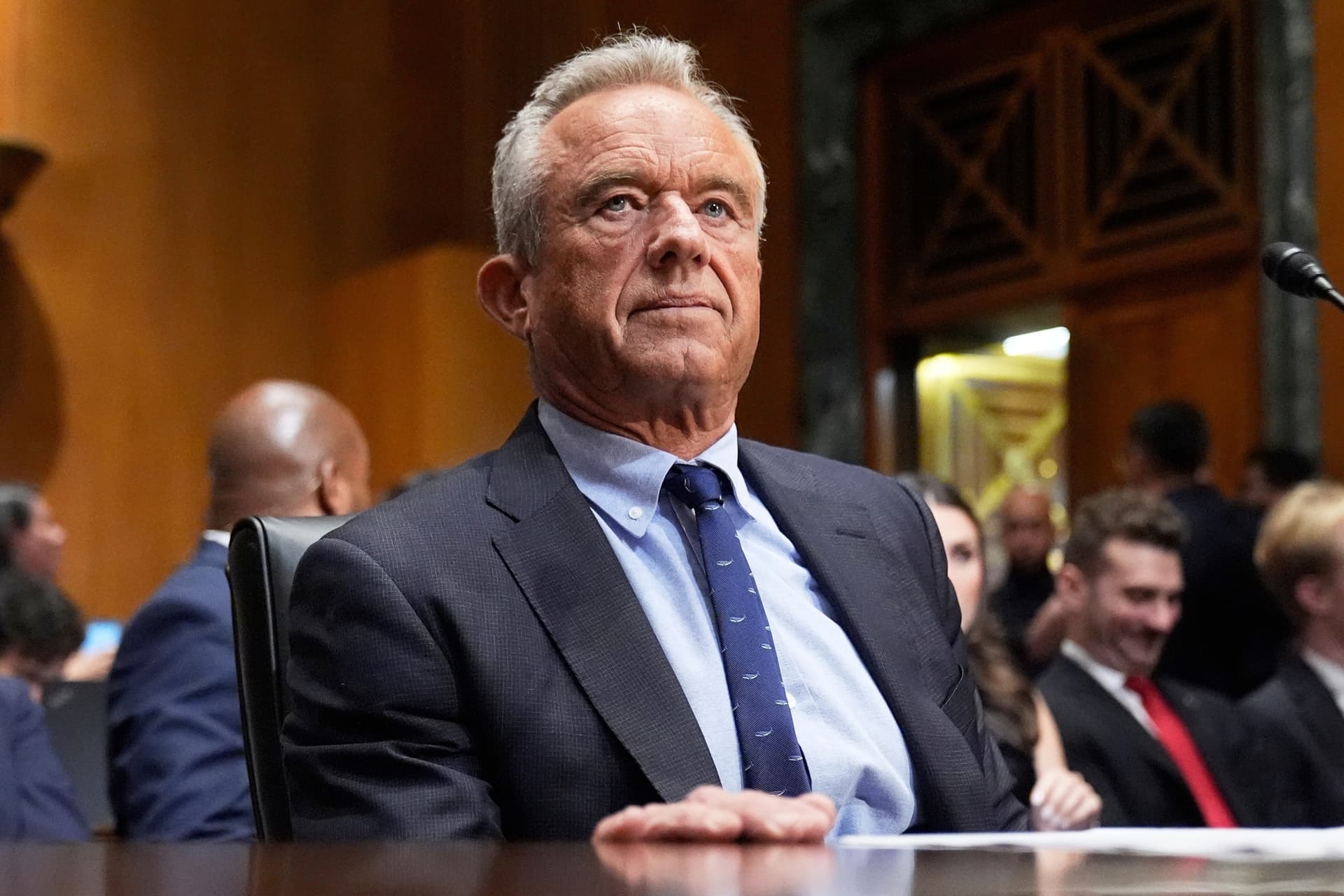
Robert F. Kennedy Jr. has taken charge of a department with roughly 80,000 employees and responsibilities that run from disease prevention to Medicare, Medicaid and emergency response, but colleagues say he has shown little interest in managing that wider machinery. Instead, he has focused on food and vaccine policy while HHS has gone through 10,000-plus staff terminations and repeated leadership shakeups that have rattled state and federal health agencies.
The disruption has been especially acute at the Centers for Disease Control and Prevention. Susan Monarez was confirmed as CDC director in July 2025, then removed a month later amid disputes over vaccine policy. By March 25, 2026, the agency had no Senate-confirmed director because the 210-day acting-service deadline had passed, leaving public health officials worried about whether the nation’s main outbreak agency could respond quickly and consistently when new threats emerged.
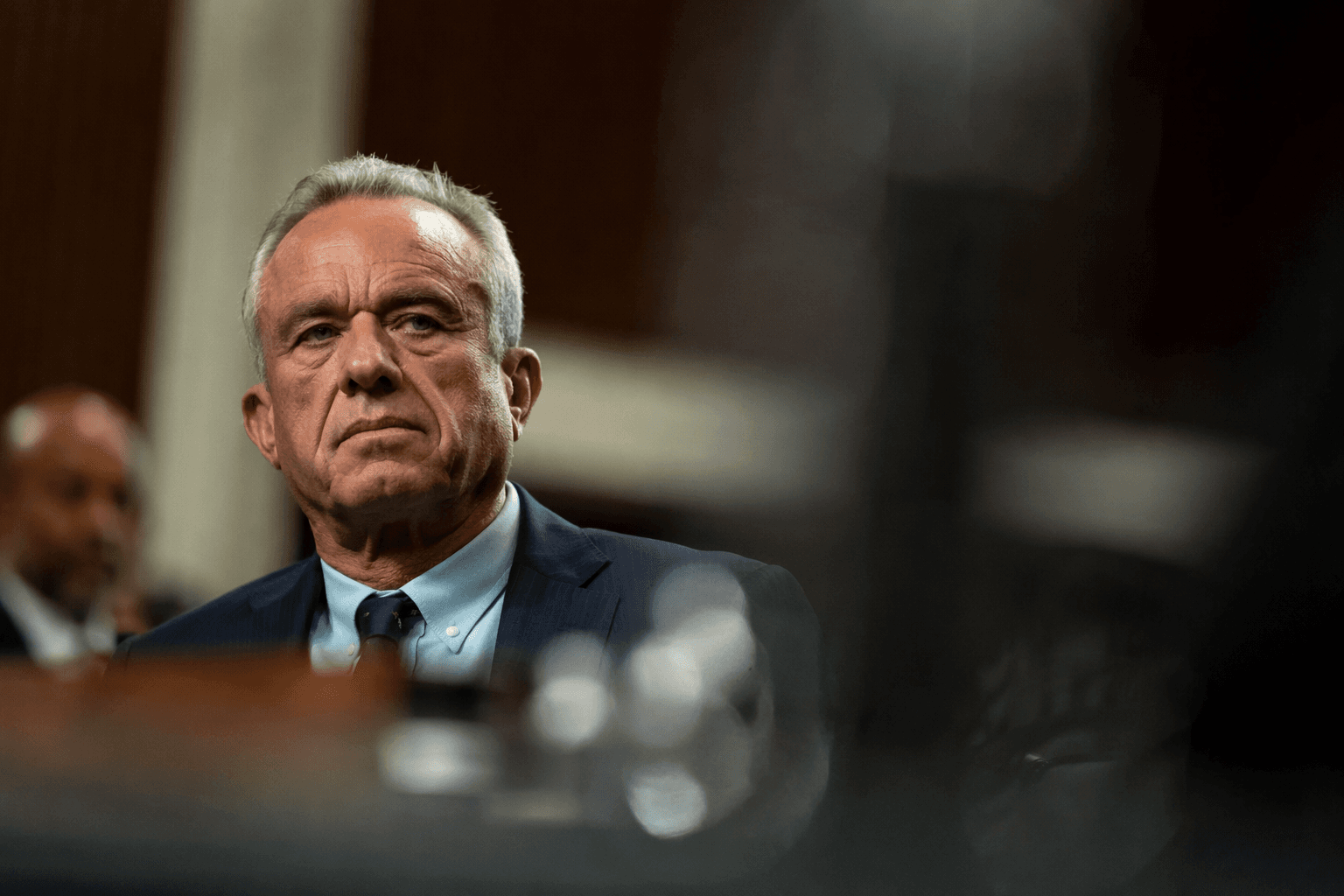
Kennedy’s vaccine agenda has driven much of the turmoil. In January 2026, he moved to scale back routine childhood vaccine recommendations, ending broad federal guidance for flu, rotavirus, hepatitis A, hepatitis B, some meningitis vaccines and RSV. A federal judge temporarily blocked the changes on March 16, saying Kennedy likely violated federal procedures in overhauling the CDC’s Advisory Committee on Immunization Practices. Kennedy had already fired all 17 members of ACIP and replaced them with a new panel that included anti-vaccine voices, raising fresh doubts about the stability of federal vaccine advice.
The administration has also pushed deeper into medical-data collection. In early June 2026, HHS sought access to millions of Americans’ medical records through state health-information exchange systems to study autism, vaccine safety and chronic disease. Some public health leaders questioned the legality, usefulness and privacy protections of the effort. Kennedy defended the approach, saying, “We have a whole pipeline of studies” over the next year.
The backlash inside the department has been severe. In September 2025, more than 1,000 current and former HHS employees called on Kennedy to resign, citing actions they said endangered the nation’s health, including the removal of Monarez, the resignation of senior CDC officials and the appointment of political ideologues to key roles. As Ebola and hantavirus concerns surfaced in June 2026, Sen. Angela Alsobrooks and other public health advocates warned of a leadership vacuum, while Secretary of State Marco Rubio stepped in on Ebola-related issues. The result is a health department reshaped around a few high-profile fights, even as its broader mission strains under the weight of churn, vacancies and uncertainty.
This article was produced by Prism’s automated news system from verified source data, official records, and press releases, then run through automated quality and moderation checks before publishing. The system is built and supervised by the people who set the standards it runs under. Read our full AI policy.
Know something we missed? Have a correction or additional information?
Submit a Tip