Kentucky Derby fashion tradition turns hats into race day stars
At the Derby, the hat is not an accessory but the anchor, turning Louisville’s spring race into a showcase of style, status and brand identity.
A race where style is part of the ticket
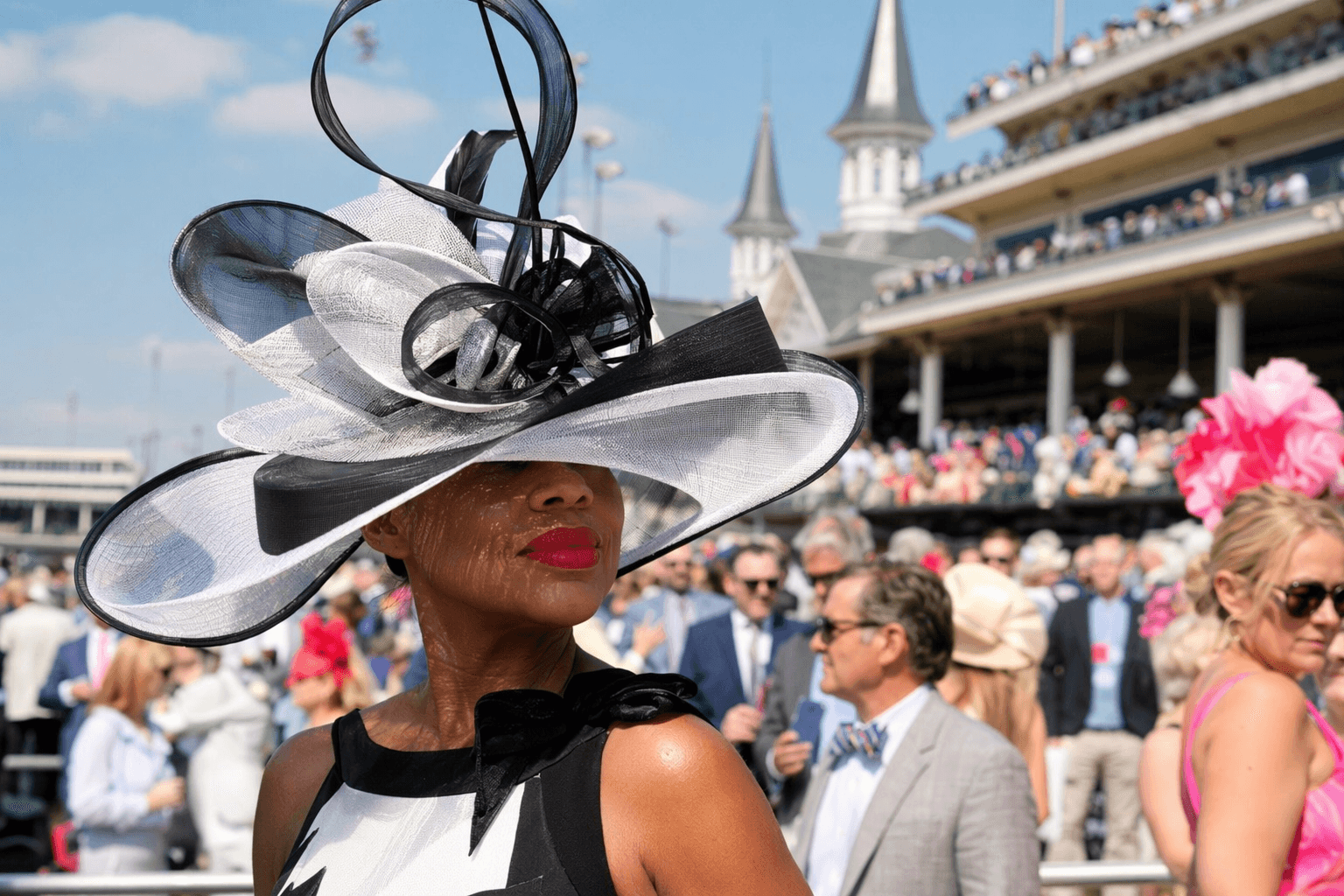
At Churchill Downs, the hat is not an accessory. It is the statement piece that turns the Kentucky Derby from a horse race into a national style event, where dress codes, social ritual and branding all compete for attention alongside the track action.
The Derby began in 1875, making it the oldest continuously running sports event in the United States. Held every first Saturday in May in Louisville, Kentucky, it is widely known as “The Most Exciting Two Minutes in Sports®,” but the spectacle lasts far longer than the race itself. In 2026, the Derby is running for the 152nd time, and the fashion around it remains one of the clearest signs that this is not only a sporting contest, but also a carefully staged cultural performance.
How Derby fashion became a tradition
The Kentucky Derby Museum traces the event’s clothing traditions back to 1875, the same year the race began. That history matters because the Derby did not invent formal spring dressing so much as preserve and amplify it, giving racegoers a place to keep old hat-and-glove customs alive even as everyday clothes became less formal.
The museum says hats and fascinators became especially prominent as Derby fashion evolved over the decades. By the mid-to-late 1960s, as society grew less formal, women’s hats became louder, larger and more spectacular, and that transformation helped define the modern Derby look. The result is a dress culture that feels both nostalgic and expressive, rooted in tradition but designed to be seen.
That makes the Derby fashion code more than a matter of etiquette. It is a visible marker of class signals, regional identity and social participation. A polished outfit at Churchill Downs communicates fluency in a Southern ceremonial tradition, but it also plays to a national audience that now treats Derby Day as a shared cultural spectacle.
Why the hat comes first
If the Derby has one defining fashion rule, it is simple: the hat leads. Churchill Downs’ 2026 Kentucky Derby Style Guide makes that idea explicit, urging fans to treat the hat as the focal point of the outfit. That framing reflects how the Derby works as a stage. Clothing is not background to the race; it is part of the event’s headline image.
The official style guide is also part of the Derby’s growing commercial identity. Churchill Downs unveiled its third annual guide for the 152nd Run for the Roses, and guest style editor Zanna Roberts Rassi returned for her third consecutive year curating the official lookbook. That kind of packaged guidance turns race-day dressing into a branded experience, with the track itself helping define what counts as Derby appropriate.
The emphasis on the hat also reveals how the Derby balances individual expression with a shared visual code. A suit or dress can be tailored to personal taste, but the hat does the loudest work. It frames the entire look, creates height and drama, and signals that the wearer understands the event’s customs. In Derby culture, understatement rarely wins the day.
Men’s and women’s looks follow the same rule
Churchill Downs’ fashion tips for 2026 cover both men and women, and the logic is the same across categories: build the outfit around the headwear, then let the rest support it. The men’s side leans on suits that can hold their own beside bold color or pattern, while the women’s side features dresses that complement statement hats and fascinators.
That approach reflects a deeper Derby truth. The event’s style is not merely about decoration, it is about balance between polish and personality. The clothing has to fit a serious formal setting, yet it also has to survive the race’s highly photographed, highly social atmosphere. In practice, that means bright fabrics, crisp tailoring and headwear that can be read from a distance.
The Kentucky Derby Museum’s history helps explain why those choices endure. When everyday dress became less formal, the Derby remained one of the rare places where more elaborate dress still felt natural. That is why the race continues to reward bigger silhouettes, sharper tailoring and headwear that can be treated as an event within the event.
The official store shows how fashion has been commercialized
The Derby’s style culture is not confined to the grandstand. The official Kentucky Derby store sells a wide selection of hats, caps and visors, showing just how broad the market for race-day headwear has become. What once read as a highly traditional custom now also functions as a retail category, with officially licensed merchandise translating Derby identity into something fans can buy and wear.
That commercial layer matters because it shows how the Derby’s fashion tradition has been institutionalized. The hat is still a symbol of ceremony and status, but it is also a product, packaged and sold through official channels. In a place where style is already central to the experience, the store helps extend the spectacle beyond Churchill Downs and into everyday wardrobes.
The range of headwear also demonstrates the event’s unusual blend of access and exclusivity. A formal hat can suggest old-world elegance, while a visor or cap can lower the barrier to participation. Together, they keep the Derby’s visual identity broad enough for mass appeal, even as the event preserves its polished, high-style image.
The roses complete the image
Fashion is only one side of the Derby’s visual identity. The other is the Garland of Roses, a blanket of more than 400 red roses draped over the winning horse. That floral tribute is a major reason the race is known as the “Run for the Roses,” and it ties the race’s elegance to its competitive climax.
The roses and the hats work together. One crowns the winner, the other crowns the crowd. Both are part of the same carefully managed tradition, and both turn the Derby into something larger than a sporting result. The race remains a test of speed, but its public memory is shaped just as much by what people wear and what is placed over the winning horse.
That is why Kentucky Derby fashion endures. It is not decoration at the margins of the event, but one of the main ways the Derby tells the country who it is: historic, performative, distinctly Southern, and fully aware that modern spectacle is built as much by clothing and branding as by the finish line.
This article was produced by Prism’s automated news system from verified source data, official records, and press releases, then run through automated quality and moderation checks before publishing. The system is built and supervised by the people who set the standards it runs under. Read our full AI policy.
Did this article answer your question?