Kentucky records first measles case of 2026, Perry County alerted
Kentucky confirmed its first measles case of 2026 and traced exposures to infectious out-of-state travelers; Perry County residents should check MMR vaccination status and seek care if exposed.

State health officials confirmed Kentucky’s first measles case of 2026 on Jan. 15 and 16, identifying an unvaccinated resident of Jessamine County and tracing several exposures to travelers who were infectious while visiting the state. The confirmation ended a stretch with no reported cases since July 2025 and triggered routine public health steps that affect communities across Kentucky, including families and health providers in Perry County.
Investigators have been identifying exposures and notifying people and locations at risk. Health officials are urging anyone who may have been exposed to check their MMR vaccination status and consult a medical provider. Measles is highly contagious but vaccine-preventable; the current response focuses on limiting further spread through immunization checks, patient outreach, and infection-control measures at clinical facilities.
Local hospitals and clinics, including providers in Perry County, have been advised to review infection-control procedures and to check patient vaccination histories if measles is suspected. In rural communities where health care access can be uneven, that advisory highlights practical and equity concerns. Residents without easy access to primary care, people without reliable transportation, and those facing gaps in coverage are more likely to be unvaccinated and to experience barriers to prompt diagnosis or follow-up care.
The public health action aims to protect those most vulnerable, including infants too young to be fully vaccinated, pregnant people, and individuals with weakened immune systems. For households in Perry County, exposure notifications and clinic alerts can mean missed work, additional child care needs, or travel to reach vaccination services, pressures that fall most heavily on low-income families.
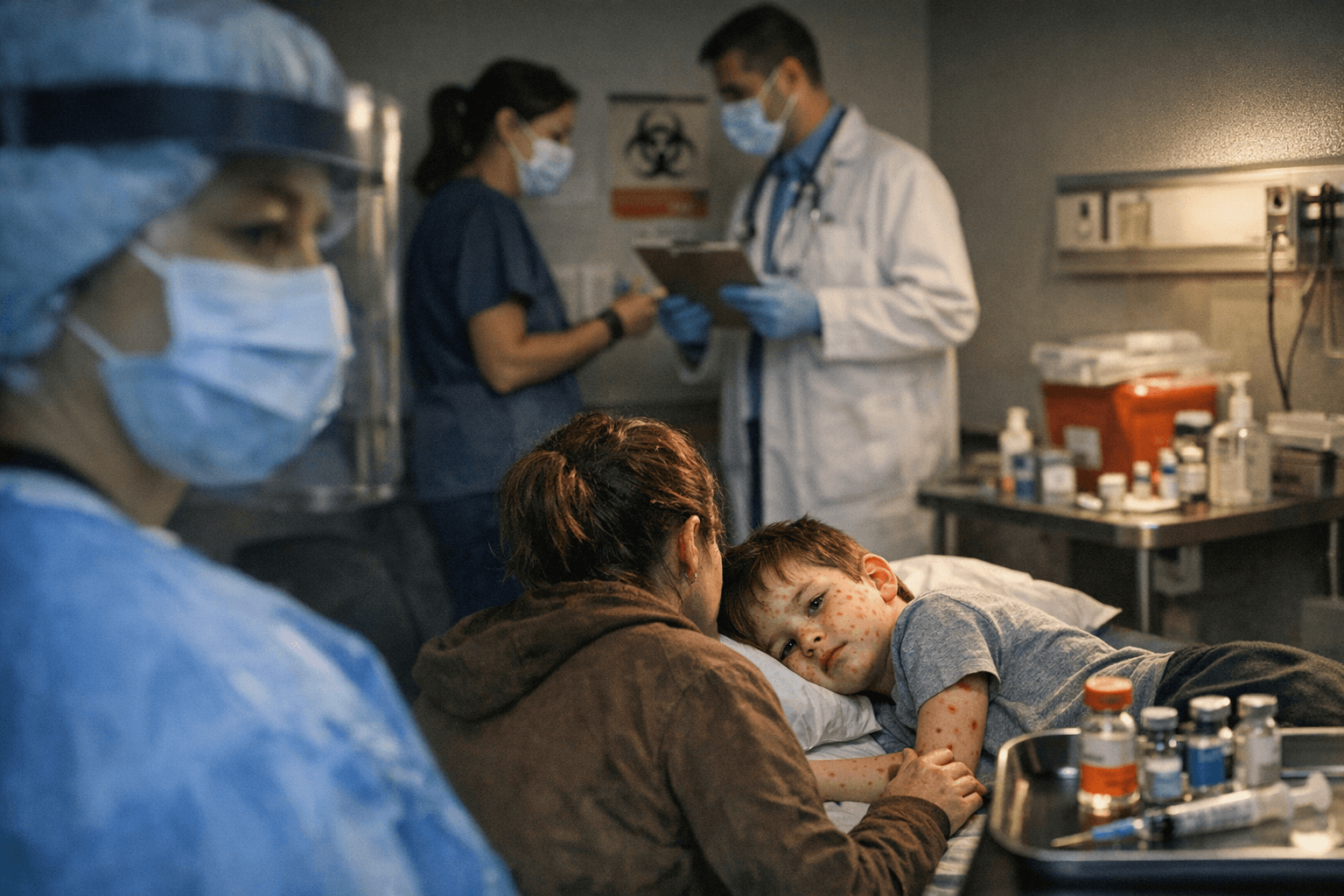
Beyond immediate containment, the case underscores broader policy issues. Sustaining high vaccination coverage requires not only public education about measles and the MMR vaccine but also investments in clinic capacity, outreach in Appalachian communities, and support for patients who face logistical or financial barriers to care. Strengthening partnerships between state public health teams and local providers can speed notifications and reduce community spread, particularly in counties with limited hospital resources.
For now, the practical steps for Perry County residents are clear: confirm your household’s MMR vaccination status, contact your medical provider if you think you or a family member was exposed, and follow guidance from health professionals. Local clinics will be reviewing protocols and may reach out to people identified in exposure investigations. Health officials will continue monitoring the situation and notifying communities as they trace further contacts.
This development is a reminder that vaccine-preventable illnesses can reappear when gaps in immunity exist. Confirming vaccinations and supporting equitable access to care are the best ways for Perry County families to protect their neighbors and keep local clinics from becoming overwhelmed.
Sources:
Know something we missed? Have a correction or additional information?
Submit a Tip