Kenya court reverses abortion rights ruling, limits access to emergencies
Kenya’s top appeals court stripped abortion of constitutional protection, narrowing legal access to emergencies and setting up a likely Supreme Court fight.
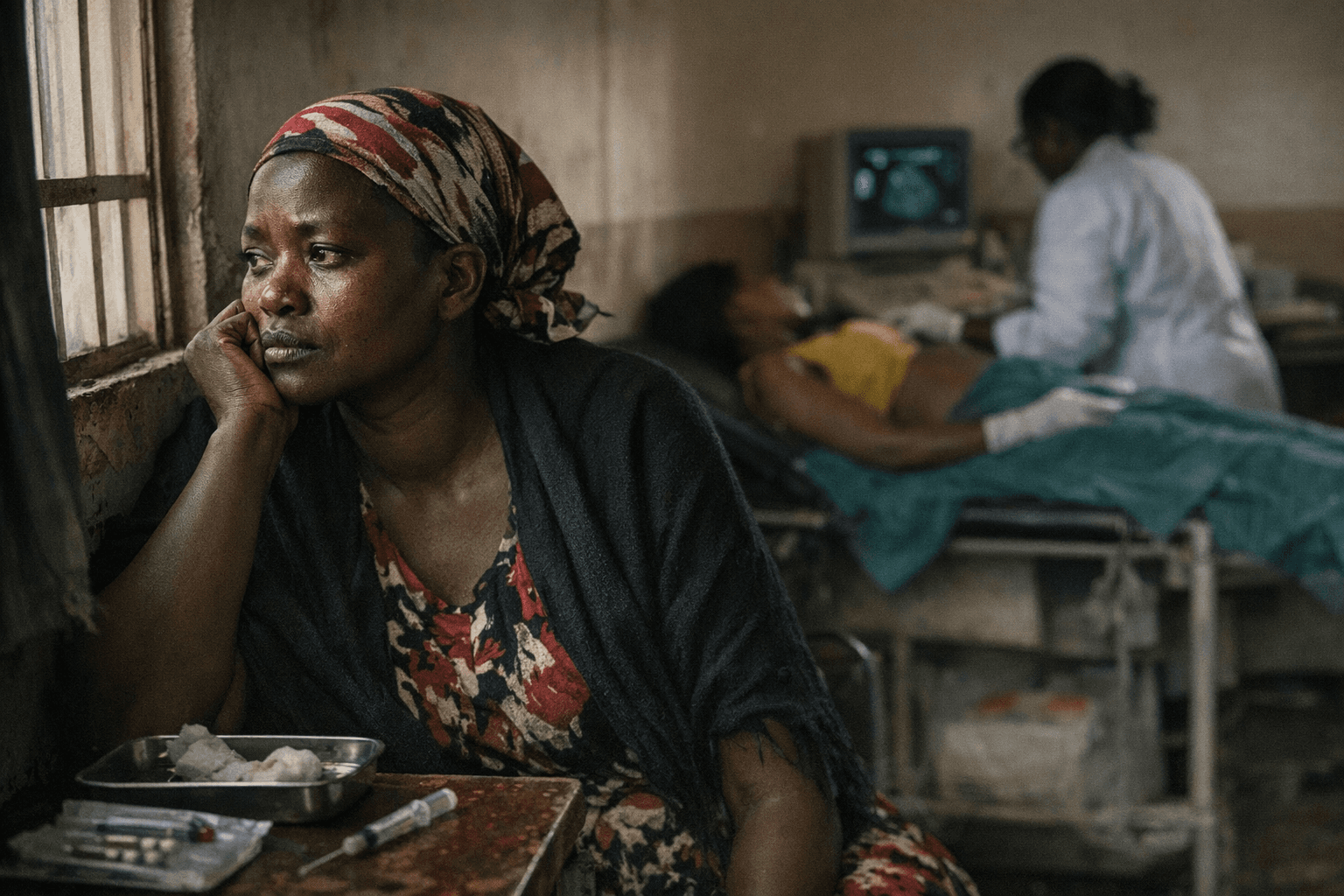
Kenya’s Court of Appeal has sharply narrowed abortion access, overturning a 2022 high-court ruling that had protected abortion care as a fundamental constitutional right and shielded women and health workers from criminal punishment in emergencies. The new decision means the legal safety net for patients and providers is far thinner, with abortion now treated as prohibited except in limited circumstances, including when a trained health worker says a procedure is needed to save a mother’s life or health.
The case began with a teenager who arrived at a hospital with pregnancy complications. A doctor examined her, determined she had lost the pregnancy and provided emergency post-abortion care. The high court later acquitted both the doctor and the young woman, ruling that women and health care providers could not be criminalized for receiving or delivering care in those circumstances. The appellate judges rejected that reasoning, saying abortion is not a fundamental right under Kenya’s constitution and pointing instead to the constitution’s protection of a child’s right to life.
The ruling has immediate practical consequences. Health workers now face greater legal risk when treating patients with miscarriages, incomplete abortions or other pregnancy emergencies that may look, in the courtroom, like prohibited abortion care. Women seeking treatment may also find hospitals more cautious, especially in cases where doctors fear criminal exposure under the penal code. Kenya’s law remains severe: the penal code criminalizes abortion and can carry prison terms of up to 14 years for attempting or procuring one.
That legal framework now sits uneasily beside the constitution’s narrow emergency exception, which allows abortion in some medical circumstances if a trained health worker recommends it to save the mother’s life or health. The Court of Appeal’s ruling leaves that exception intact in theory, but far more vulnerable in practice, because the line between a lawful emergency procedure and a prosecutable abortion has now been redrawn more tightly. Rights groups said the decision was a major setback, and the Center for Reproductive Rights said it would take the case to the Supreme Court to correct what it called an anomaly.
The stakes extend beyond constitutional theory. Abortion is a leading cause of maternal deaths in Kenya, and a 2025 report estimated 792,000 induced abortions took place between April 2023 and May 2024. Unless the Supreme Court reverses the ruling, the appeals court decision is likely to shape criminal enforcement, hospital decision-making and maternal-mortality policy for years.
This article was produced by Prism’s automated news system from verified source data, official records, and press releases, then run through automated quality and moderation checks before publishing. The system is built and supervised by the people who set the standards it runs under. Read our full AI policy.
Did this article answer your question?

