Kering chief vows turnaround, targets higher margins, Gucci revival
Luca de Meo promised to lift Kering’s margin to at least 22%, but investors still want proof Gucci can regain pricing power and store productivity.
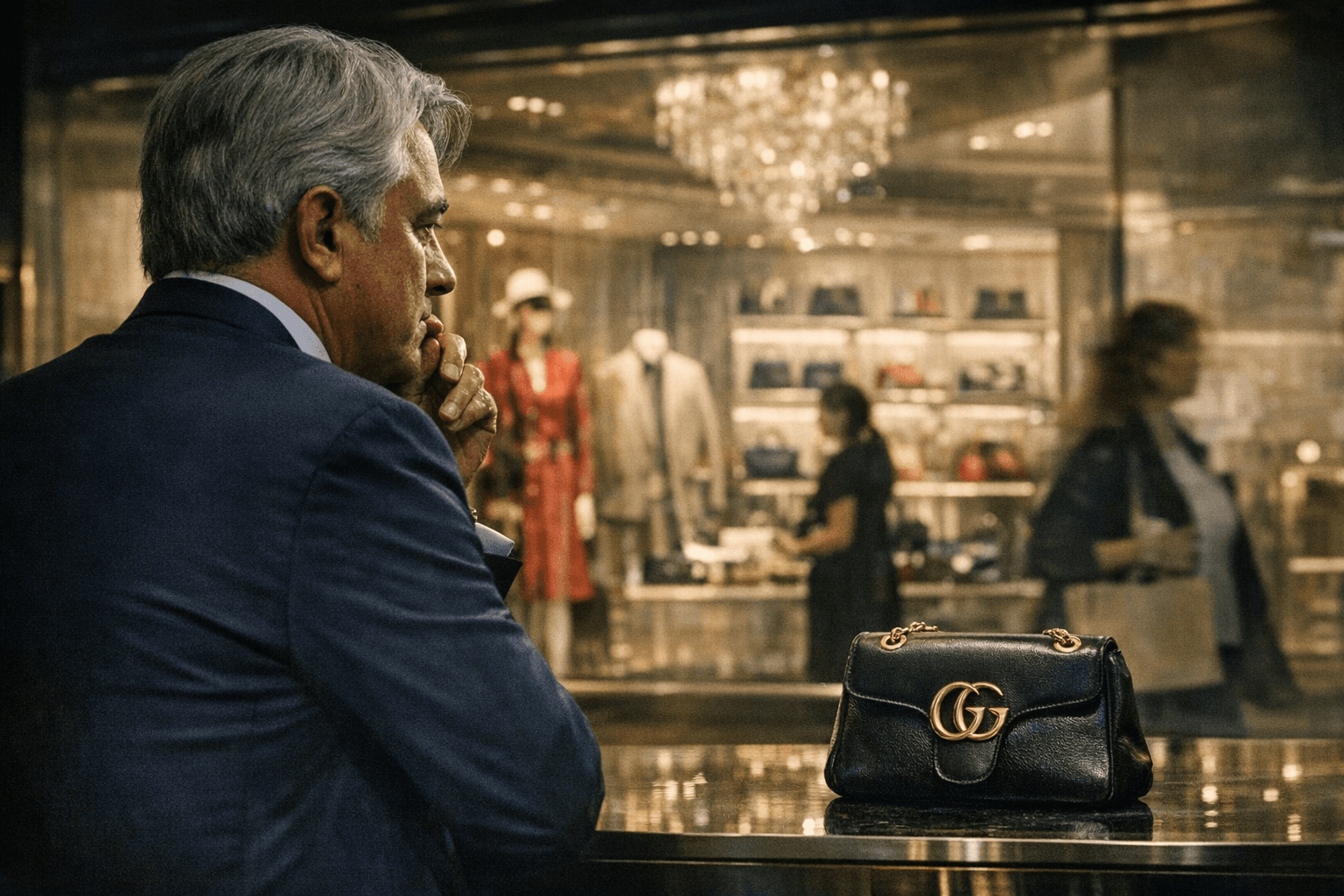
Luca de Meo told investors Kering must more than double its operating margin, but the hard question is whether Gucci can actually generate the sales density and brand heat needed to make that possible. Speaking in Florence at Kering’s “ReconKering. True Luxury. Next Luxury.” Capital Markets Day, the former Renault chief said the group had become “structurally unbalanced” and laid out a reset aimed at taking Kering’s recurring operating margin from 11.1% in 2025 to at least 22% in the mid-term. Kering shares fell about 2.5% after the presentation, a sign that the market is not yet convinced.
The credibility test runs through Gucci, which produced about 60% of Kering’s profit last year but has been the group’s biggest drag since fashion tastes shifted in 2023. Kering said Gucci revenue in the first quarter of 2026 was €1.347 billion, down 8% on a comparable basis, while group revenue was €3.568 billion, flat on a comparable basis and down 6% as reported. That marked Gucci’s 11th straight quarter of organic sales decline, a brutal record for a brand that once powered Kering’s growth and now needs a full commercial reset.
De Meo’s plan depends on more than a creative refresh. Kering said it intends to refurbish or relocate two-thirds of Gucci’s store network, cut selling space by 20%, reduce outlets by a third and double sales density by 2030. It also plans to reduce inventory by €1 billion over the next 12 months. Those are the kinds of changes that matter if Kering is serious about pricing power and margin repair: fewer, better stores; tighter stock control; and a product mix that can command higher full-price sell-through rather than rely on discounting.
The broader group is being reshaped as well. Kering said it would expand jewelry, including through Kering Jewelry, while also using transactions in beauty, jewelry and real estate to strengthen the balance sheet. It said the mid-term strategy also targets return on capital employed above 20%, capital expenditure of 5% to 6% of revenue and a dividend payout ratio of around 50% of recurring net profit. Kering’s 2025 results showed why the overhaul is urgent: revenue fell to €14.675 billion, recurring operating income dropped to €1.631 billion and net income swung to a €29 million loss from a €1.02 billion profit in 2024.
François-Henri Pinault watched from the front row, underlining that the family still has a close stake in the turnaround even after he stepped back from the CEO role. Kering’s March 16 business re-segmentation had already signaled a reset in reporting and structure, and the Florence presentation turned that into a formal strategy. The numbers now make the burden clear: if Gucci cannot recover pricing power, improve store productivity and rebuild desirability, the promise of a higher-margin Kering will remain more aspirational than operational.
This article was produced by Prism’s automated news system from verified source data, official records, and press releases, then run through automated quality and moderation checks before publishing. The system is built and supervised by the people who set the standards it runs under. Read our full AI policy.
Did this article answer your question?

