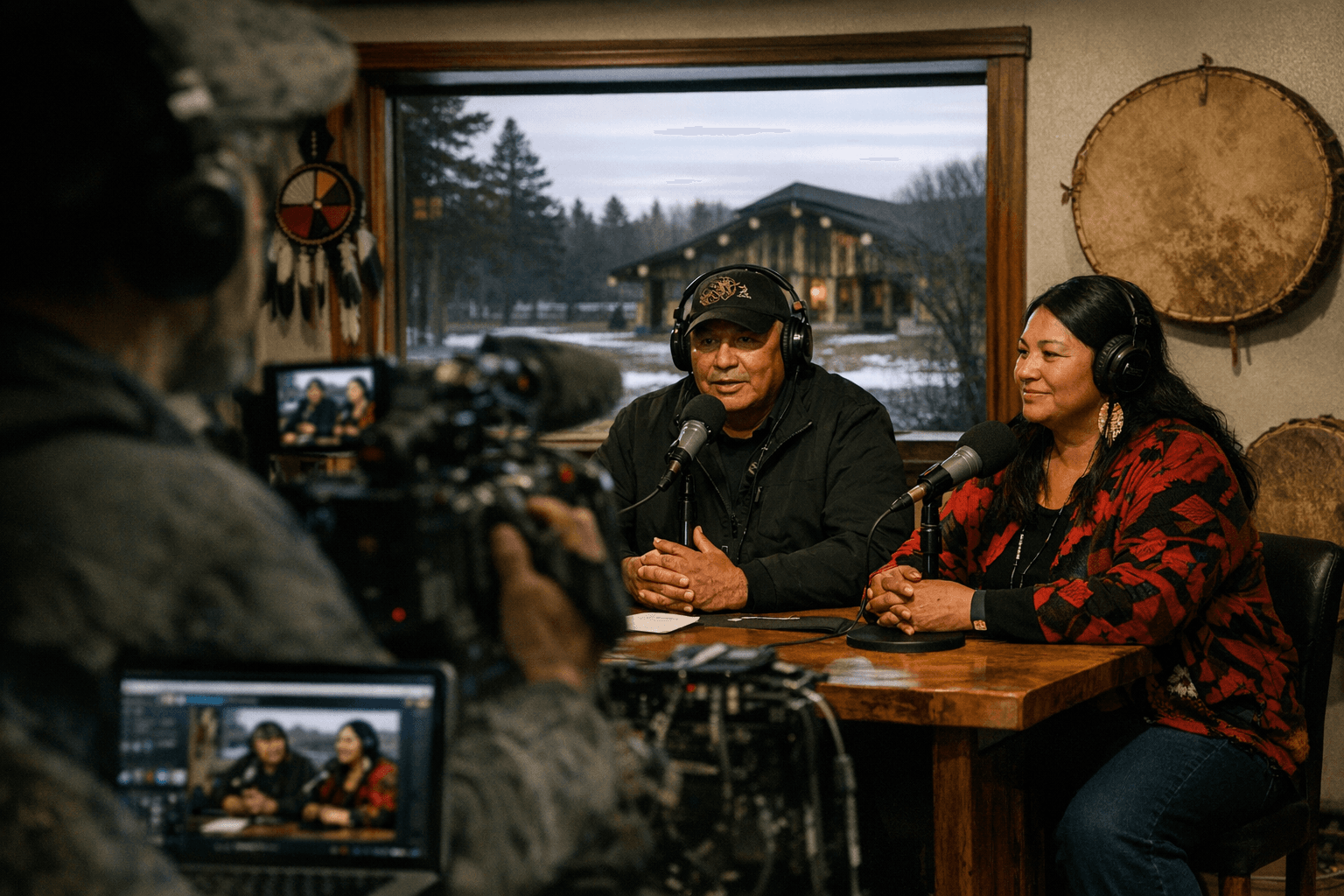
Keshena Falls, cultural landscape and river restoration in Menominee County
Keshena Falls on the Wolf River is a locally known series of segmented drops within the Menominee Reservation that combines natural beauty with deep cultural significance for the Menominee people. The site is physically marked by bedrock ledges, remnants of an old bridge and a former hydroelectric plant, and it is tied to historic sturgeon spawning and ongoing tribal led restoration efforts that matter for local ecology, public health and community wellbeing.
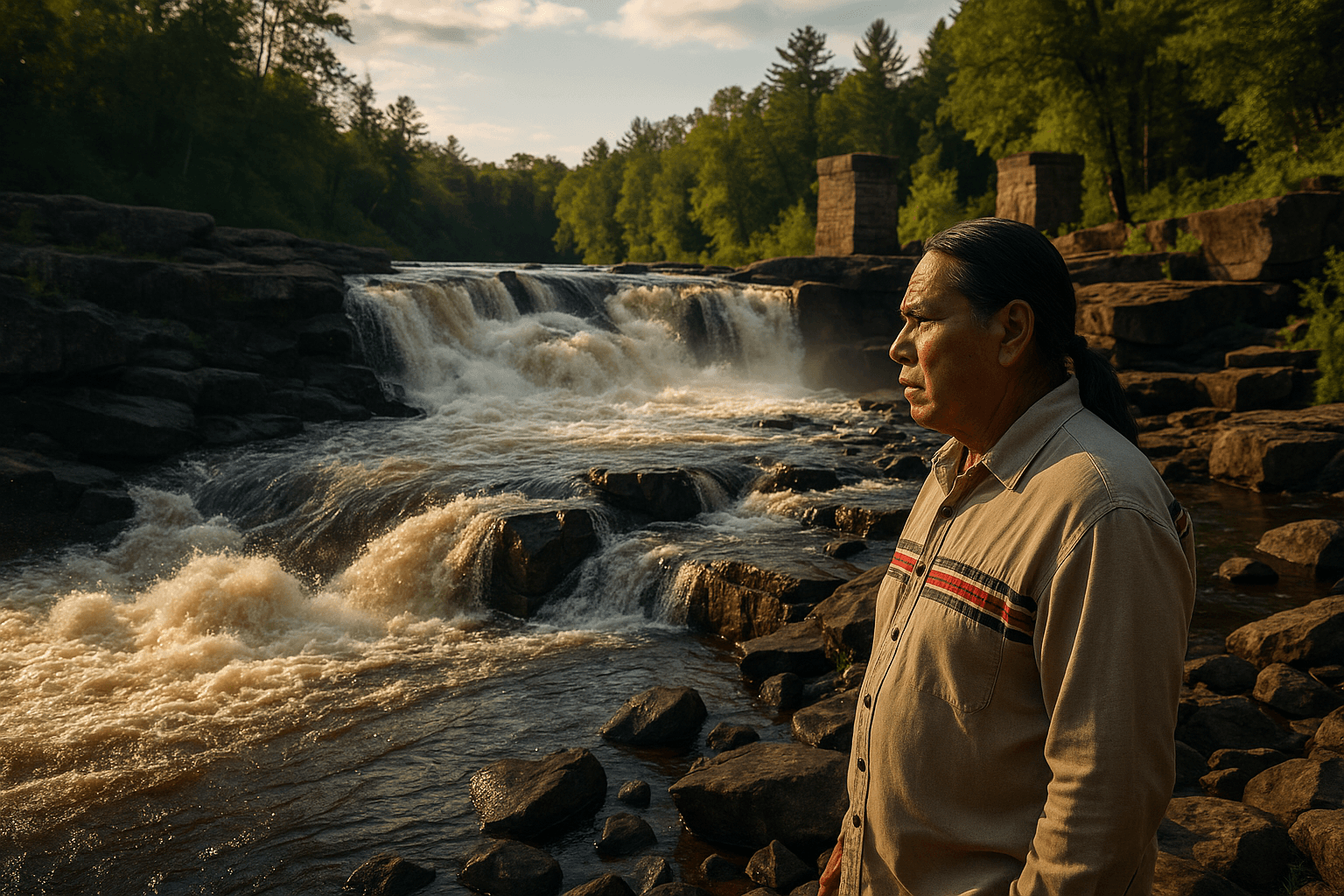
Keshena Falls is a series of falls and rapids where the Wolf River widens and steps across exposed bedrock within the Menominee Reservation area in Menominee County. Guides and local knowledge describe the falls as a segmented set of drops, with visible remains of an old bridge and a former hydroelectric plant near the river. The falls sit on river reaches that have long been connected to sturgeon spawning, and recent tribal led restoration work on the Wolf River underscores the site as both an ecological and cultural touchstone.
The presence of sturgeon historically links river health to foodways and cultural practices for the Menominee people. Tribal led restoration efforts seek to revive spawning habitat and strengthen the river system, work that has implications for biodiversity and for community access to traditional resources. For Menominee County residents, restoration is not only an environmental project. It touches on questions of sovereignty, stewardship and intergenerational health.
Visitors are asked to approach Keshena Falls with respect for tribal lands. Publicly available visitor notes suggest access from Route 47 and Route 53 north of Shawano toward Keshena, though viewpoints and trail conditions vary with season and local conditions. Rapids and changing water levels can affect safety and visibility, so seasonal caution is prudent. The physical remains of an old bridge and a former hydroelectric plant signal past industrial uses of the river and invite reflection on how infrastructure decisions have shaped local ecosystems and access.
Public health and community wellbeing are tied to how river restoration and land access are managed. Clean water, safe recreation and the ability to practice traditional harvesting contribute to food security and cultural resilience. Policy collaboration between tribal authorities, county officials and state agencies can support equitable access, safety improvements and continued ecological restoration while honoring tribal sovereignty.
Keshena Falls is at once a scenic landmark and a living site of cultural and ecological recovery. For residents and visitors alike, responsible visitation, support for tribal led restoration, and attention to safety and access remain central to the falls continuing to sustain both community life and natural systems.
Sources:
Know something we missed? Have a correction or additional information?
Submit a Tip