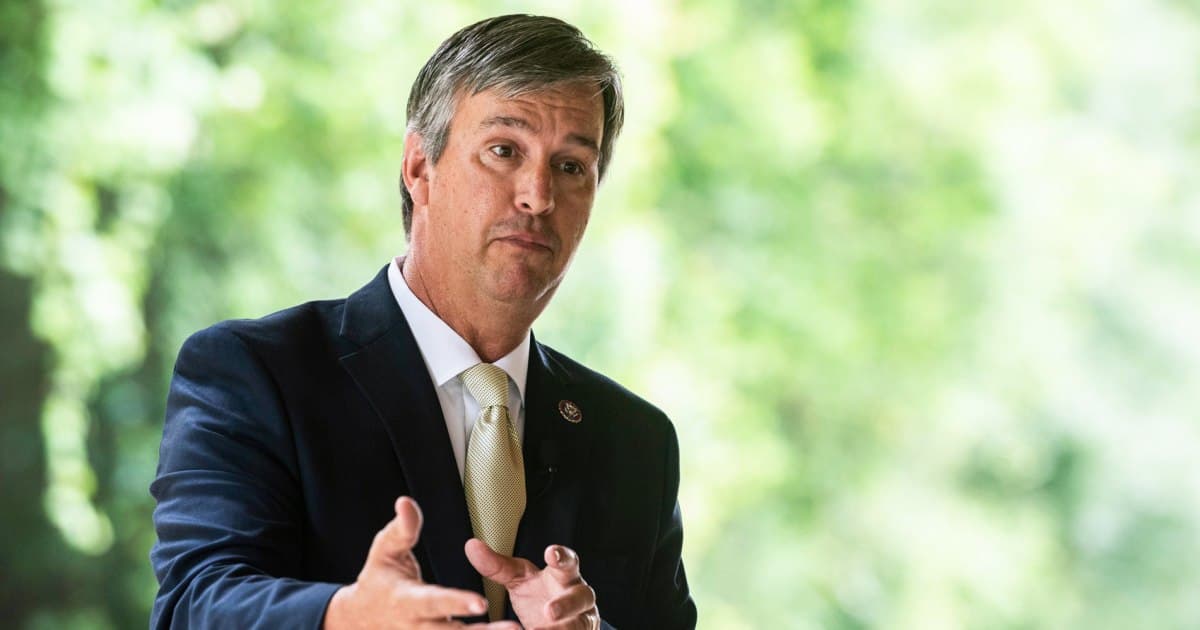
Kevin Hern wins Oklahoma Republican Senate primary, NBC News projects
Kevin Hern’s Oklahoma primary win gives Washington a clear look at the kind of Trump-backed Republican the GOP is elevating for 2026.
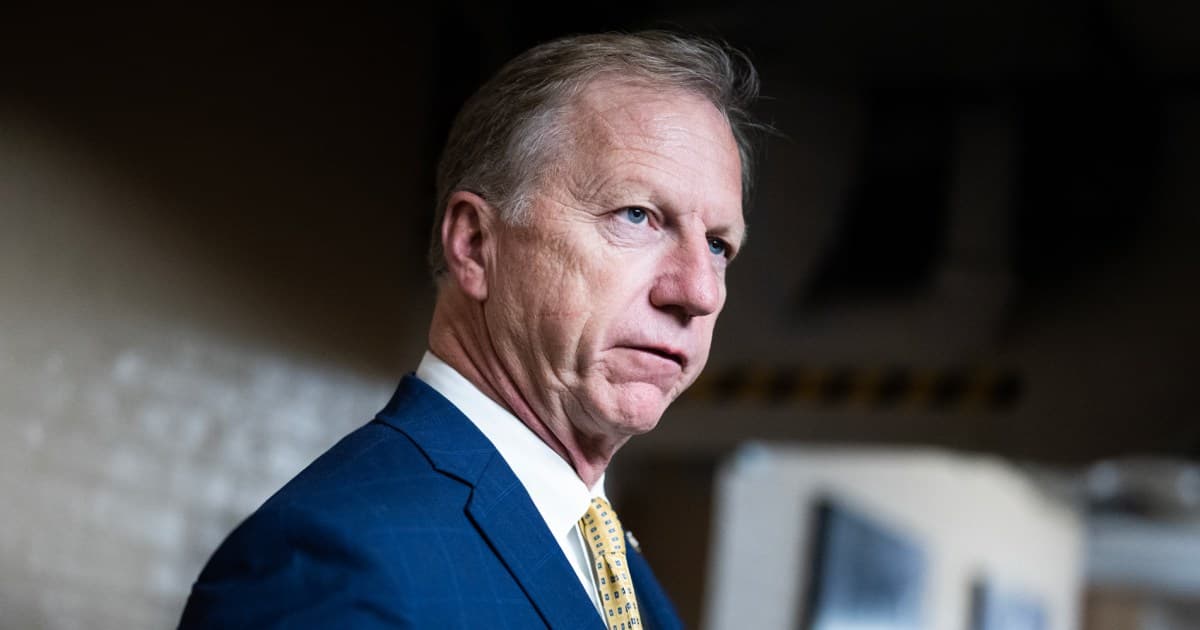
Kevin Hern won the Republican Senate primary in Oklahoma, NBC News projected, positioning the Tulsa congressman to capture an open seat in one of the country’s safest red states. The result matters well beyond Oklahoma: Republicans have carried all 77 counties in the state in each of the last four presidential elections, and Hern’s victory suggests the party is leaning toward candidates who combine Trump loyalty with a tightly managed conservative profile.
Decision Desk HQ showed Hern well ahead on election night with 67.27% and 85,652 votes, comfortably outpacing Gary England, Sean Buckner, Brian Ragain and R.O. Cassity Jr. The general election is set for November 3, 2026, and the state’s Senate runoff, if needed, would be held August 25, 2026.
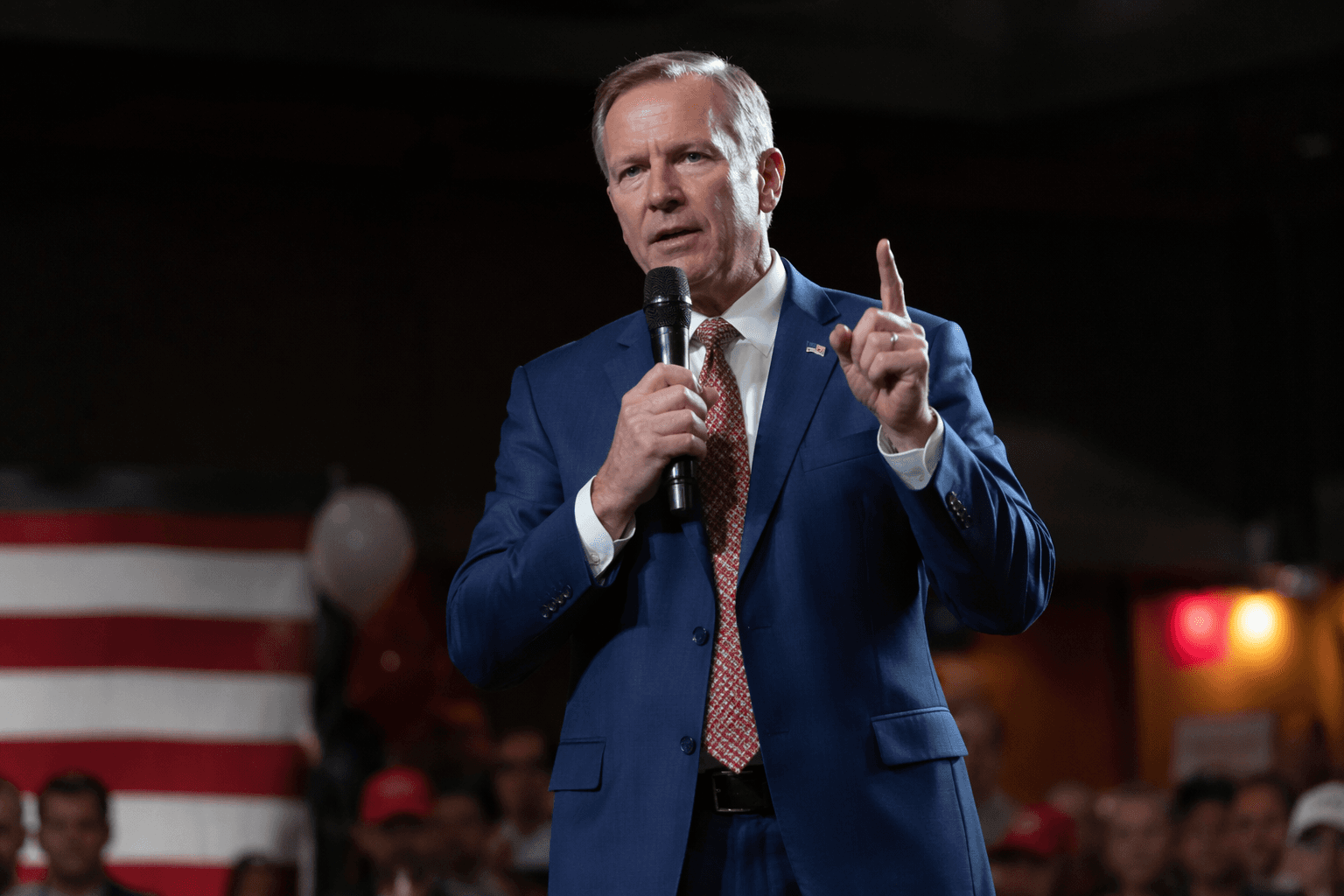
Hern entered the race after former Sen. Markwayne Mullin was elevated to the Cabinet. Trump nominated Mullin to be secretary of homeland security on March 9, 2026, the Senate confirmed him on March 23, 2026, and Mullin then resigned his Senate seat. Trump later endorsed Hern, and that support helped clear the field in a state where a Republican nominee is heavily favored to win in November.
Hern has represented Oklahoma’s 1st Congressional District in the House since November 13, 2018. His official biography says he lives in Tulsa with his wife, Tammy, and that they have three children and three grandchildren. He also brings a more institutional conservative résumé than a typical newcomer: he was chairman of the House Republican Policy Committee in the 119th Congress and chaired the Republican Study Committee in the 118th Congress.
That background is likely to matter in Washington. Hern’s ascent signals that, even in a reliably Republican state, the party is elevating lawmakers with deep ties to the House GOP policy apparatus and to Trump’s political orbit. In practical terms, that points to a Senate candidate who is likely to arrive with a strong preference for conservative policy discipline, party-line messaging and an instinct for shaping the agenda rather than just voting on it. In a year when the GOP is still defining its post-2024 Senate bench, Oklahoma has offered a clear preview of the model.
This article was produced by Prism’s automated news system from verified source data, official records, and press releases, then run through automated quality and moderation checks before publishing. The system is built and supervised by the people who set the standards it runs under. Read our full AI policy.
Know something we missed? Have a correction or additional information?
Submit a Tip