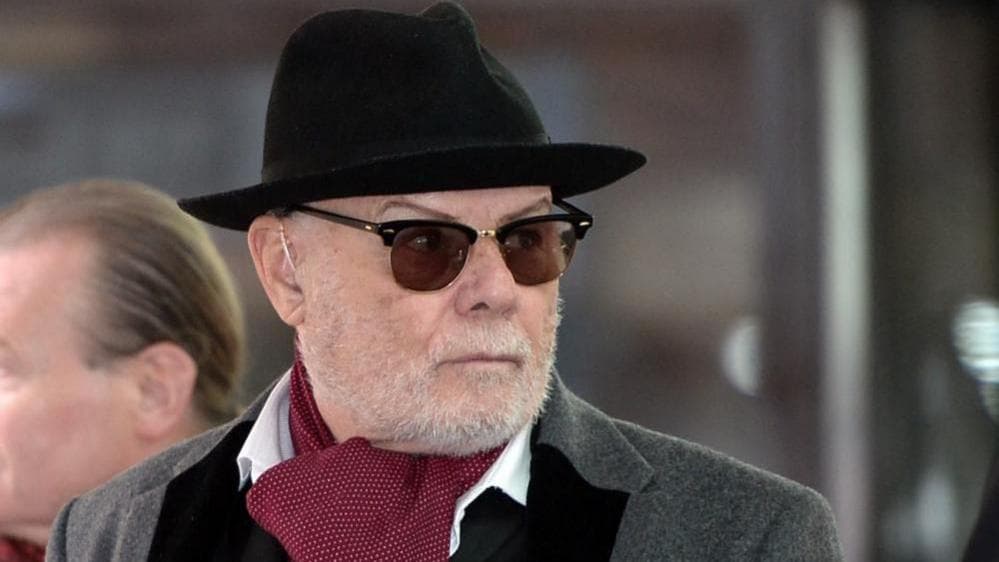
Kevin Spacey testifies as nine-year House of Cards contract case goes to trial
Kevin Spacey testified in a nine-year contract dispute over House of Cards, moving the case to trial and reopening scrutiny of alleged misconduct and financial claims.

Kevin Spacey testified as a nine-year legal fight over the House of Cards production contract moved to trial, thrusting the Netflix series back into the spotlight and reopening decades of scrutiny over alleged misconduct and damages claims. The high-profile court appearance on February 28 intensified attention on the business arrangements behind one of streaming television's early flagship dramas and on how entertainment companies assign legal and financial risk.
The case centers on contractual promises and alleged breaches tied to the troubled production of House of Cards, and plaintiffs have framed the dispute as more than a private money claim. By bringing Spacey into the courtroom as a witness, lawyers signaled that the trial will question not only whether contracts were honored but also how alleged misconduct can ripple through production budgets, employment outcomes for cast and crew, and corporate responses by platforms such as Netflix.
For the industry, the trial crystallizes a set of trends that have reshaped Hollywood since streaming services disrupted traditional studio models. Shows that once relied on single-season financing and network backstops are now underwritten by complex agreements among streamers, financiers, and production companies. Those intertwined contracts can multiply liability when a production is derailed by accusations against a leading actor or other key personnel. Insurers, investors, and executives are watching closely, because the allocation of responsibility in this case could influence how future deals carve out indemnities, moral‑clauses, and termination rights.
Culturally, the proceedings revive debates about accountability, rehabilitation, and the afterlives of work tied to controversial figures. House of Cards was a touchstone in the rise of prestige streaming drama, and the trial forces audiences and industry stakeholders to reassess how content created under a particular set of power dynamics is handled once misconduct allegations surface. This is not only a legal reckoning but a reputational test for companies whose libraries now contain titles that provoke divided public response.
The social implications extend beyond celebrity headlines. Litigation of this scale can determine whether displaced crew members and secondary talent receive compensation when productions change course, and it may influence whether productions adopt more robust safeguards for employees. It also raises questions about transparency: how much or how little viewers, investors, and workers should learn about the contractual mechanisms that shape the content they fund, watch, and work on.
Financially, the case could affect how platforms price risk into their content slates. If a court assigns significant damages to producers or financiers, studios and streamers may seek higher insurance premiums or tighter contract language to limit exposure. That can change who gets greenlit for prestige projects and which kinds of creative risks become harder to fund.
As the trial progresses, attention will focus on documentary evidence, contract interpretation, and how the court weighs allegations of misconduct against agreed business terms. Whatever the outcome, the litigation marks a consequential moment in the industry’s continuing effort to balance artistic ambition, corporate responsibility, and legal accountability in the streaming era.
This article was produced by Prism’s automated news system from verified source data, official records, and press releases, then run through automated quality and moderation checks before publishing. The system is built and supervised by the people who set the standards it runs under. Read our full AI policy.
Did this article answer your question?