Key West Jury Convicts Delmon Washington of Second-Degree Murder; PRR Means Life
Delmon Washington, 48, was found guilty of second-degree murder and tampering with evidence; a PRR finding means a mandatory life sentence, affecting Monroe County sentencing policy.
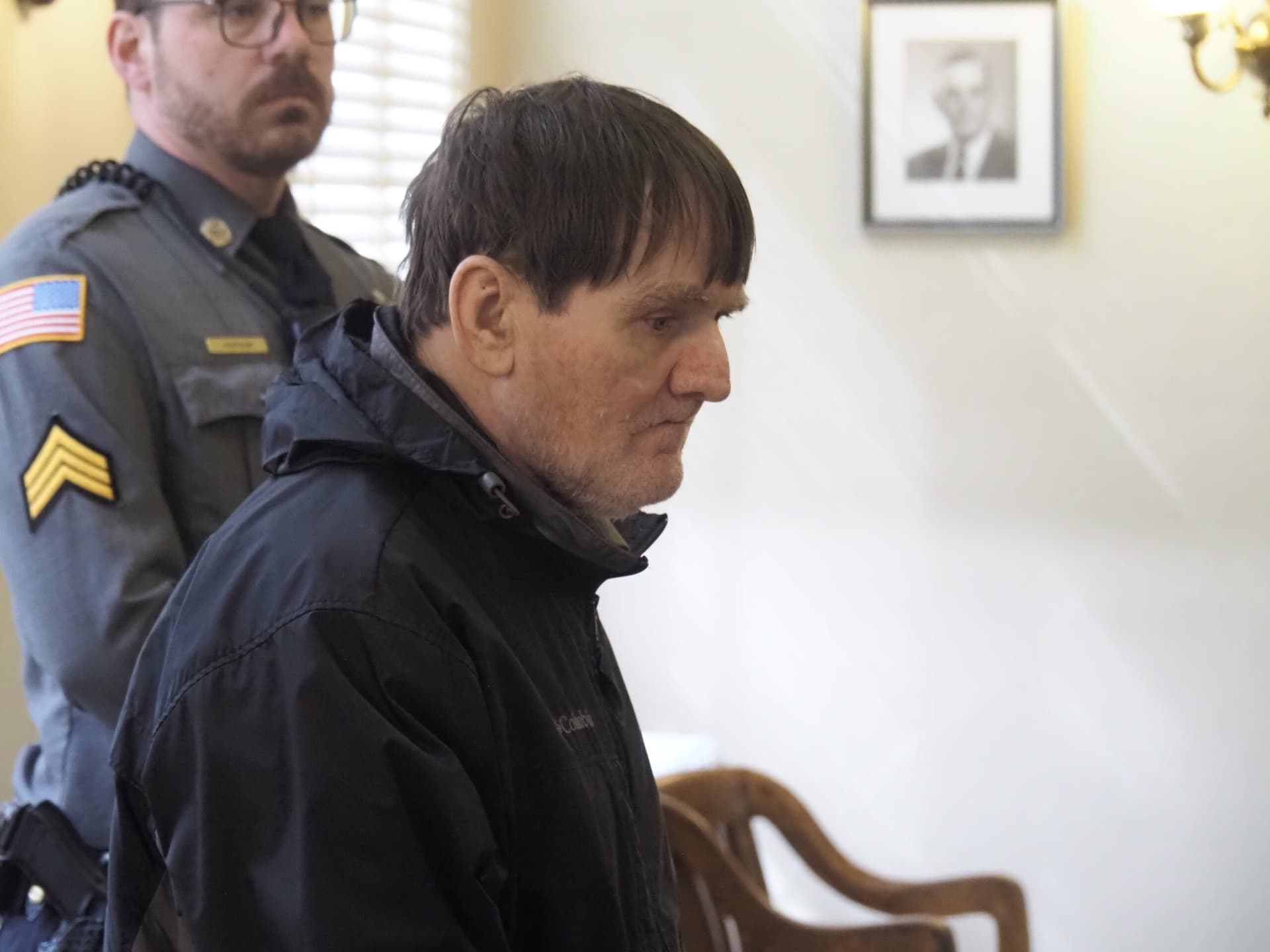
A Key West jury convicted Delmon Washington, 48, of second-degree murder and tampering with evidence, and also found him to be a prison release reoffender. The verdict was handed down Thursday, Feb. 5, 2026, in Monroe County, and it carries immediate and long-term consequences for sentencing and local criminal-justice policy.
The guilty verdict includes one count of second-degree murder and one count of tampering with evidence, plus the PRR finding. The PRR additional charge "establishes that Washington violated terms of probation by being found guilty of committing second-degree murder within three years after release from a prison sentence." Because of that finding, the PRR determination "means a mandatory life sentence for the second-degree murder conviction." Washington is represented by assistant public defenders from the Law Offices.
The jury outcome crystallizes how PRR statutes operate in Monroe County courts: a conviction tied to a recent prison release can convert a standard sentence into a life term without judicial discretion. For Key West residents, the case underscores how statutory enhancements and probation conditions intersect to determine ultimate punishment, shifting the focus from trial outcomes alone to defendants' prior records and supervision status.
The verdict will also carry operational implications. Mandatory life sentences affect county and state corrections planning, influence parole and reentry policy discussions, and shape courtroom calendars as judges process enhanced sentencing requirements. The case may prompt local policymakers and community groups to revisit probation supervision practices, reentry supports that aim to prevent recidivism, and the resources available to public defenders who represent indigent defendants through complex enhancement hearings.
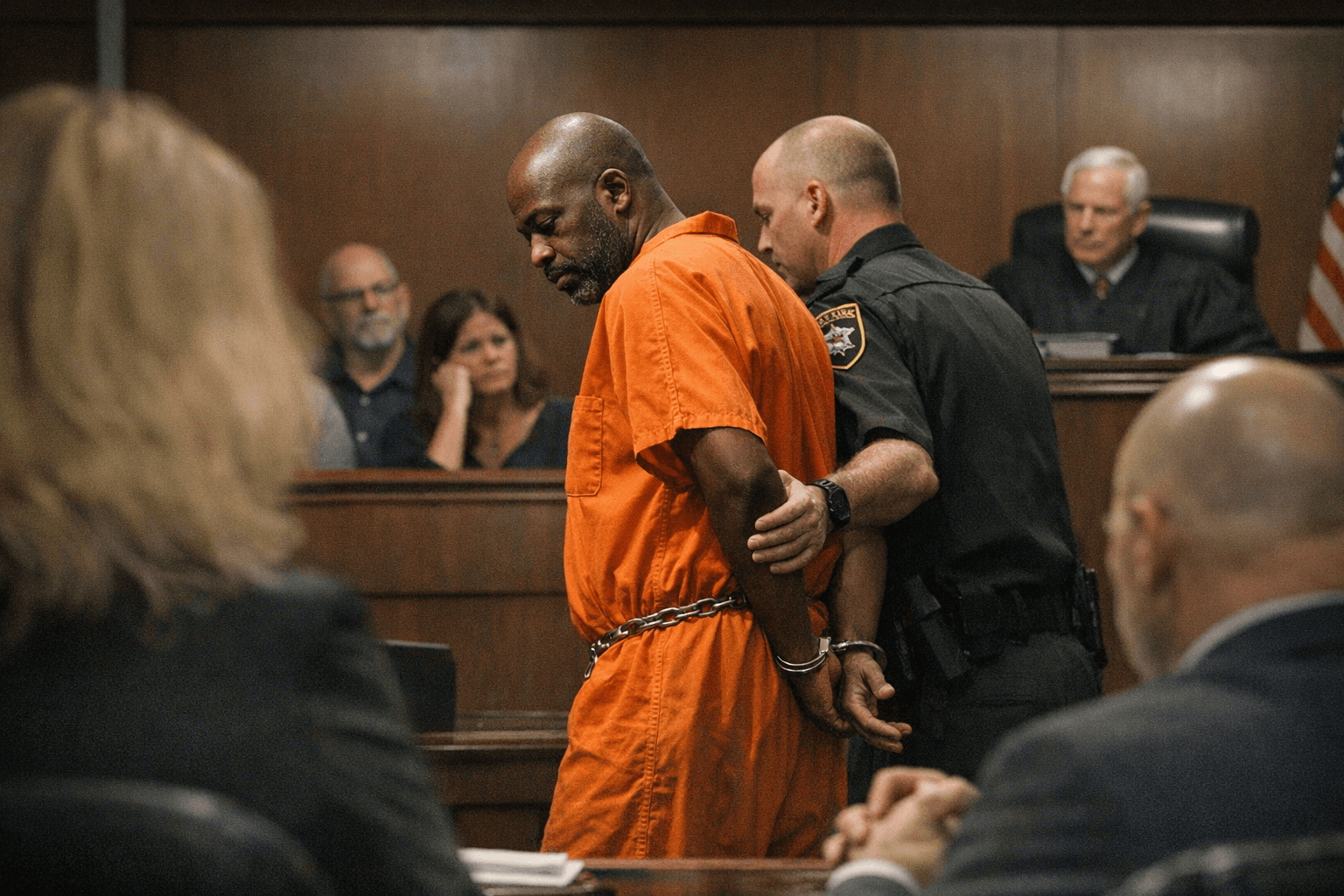
The jury process itself was central to the outcome, demonstrating citizen participation in the criminal-justice system in Key West. That civic function converges with institutional pressures: prosecutors seek enhancements under PRR statutes, defense counsel must contest legal thresholds for enhancement, and judges apply mandatory penalties that leave little room for alternative sentencing.
As the county moves forward, the immediate legal consequence is clear: the PRR finding converts the second-degree murder conviction into a mandatory life sentence. Sentencing procedures in the coming weeks will formalize that punishment. For Monroe County residents, the case will likely shape local debate over probation enforcement, reentry programming, and the balance between mandatory penalties and opportunities for rehabilitation.
Know something we missed? Have a correction or additional information?
Submit a Tip