Kim Jong Un vows to keep North Korea as nuclear state
Kim Jong Un cast nuclear status as North Korea’s only answer to an unpredictable world, while also ordering more conventional arms and a 10,000-ton cruiser.
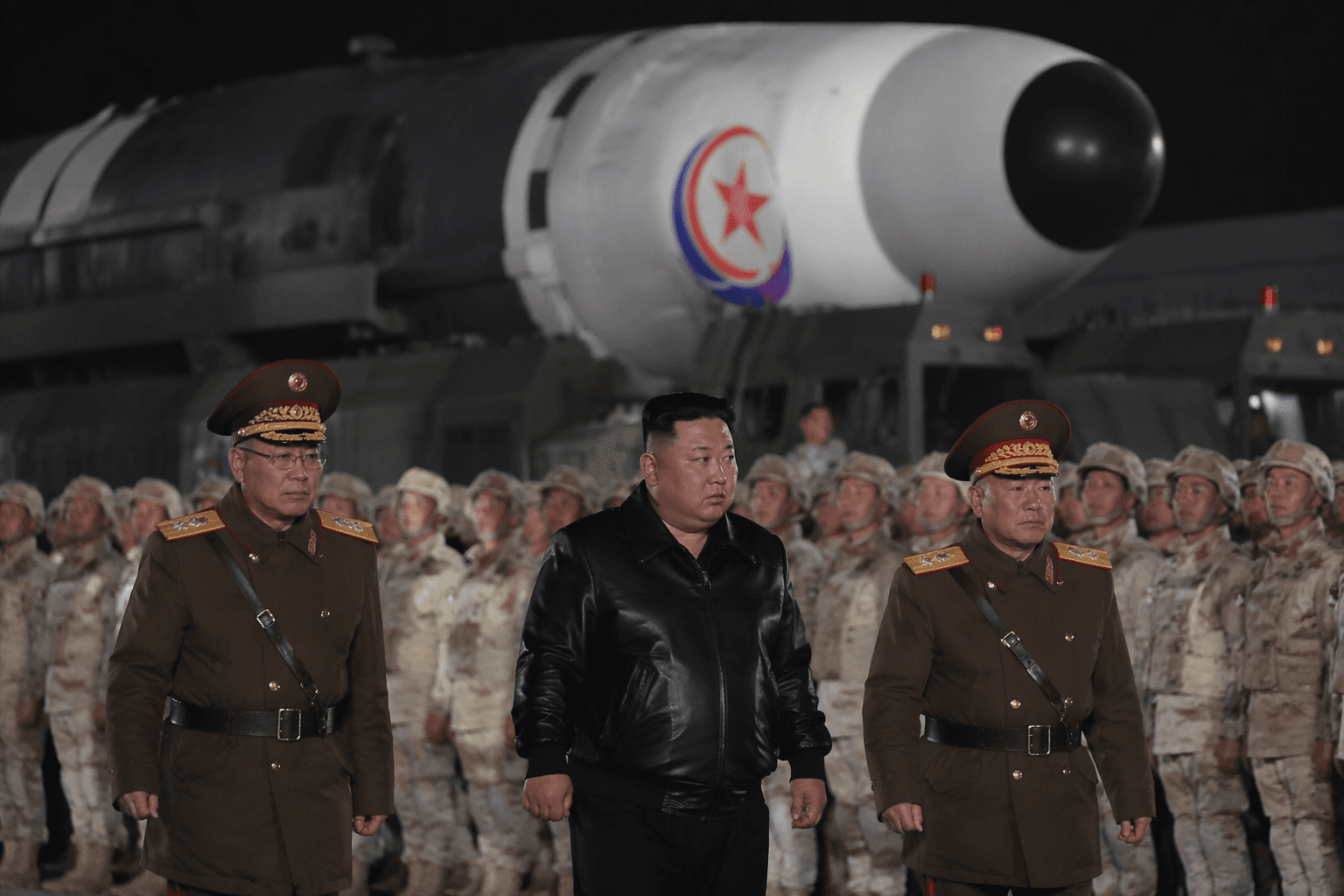
Kim Jong Un doubled down on North Korea’s nuclear identity, saying the country had to keep exercising its position as a nuclear state to cope with an unpredictable and increasingly complicated global security environment. The remarks, delivered as the Workers’ Party Central Committee met from Saturday through Monday, framed North Korea’s arsenal as a permanent answer to pressure from Washington, Seoul and their allies, not a temporary card to trade away.
Kim also blamed the United States for worsening bloodshed in Europe and the Middle East and accused Washington and Seoul of making the security situation on the Korean Peninsula more dangerous by steadily upgrading their combined nuclear posture. By casting the world as producing "unimaginable, astonishing incidents and events" through the "gangster-like" greed of hegemonic forces, he signaled that Pyongyang sees nuclear arms as defensive legitimacy, not provocation. The message reached far beyond the Korean Peninsula. It was aimed at Washington and Seoul, but also at Tokyo and Beijing, which have both watched North Korea harden its posture while diplomacy remains stalled.
The timing sharpened the warning. Just days earlier, the sixth meeting of the U.S.-ROK Nuclear Consultative Group took place in Seoul on June 11, where U.S. and South Korean defense officials reaffirmed extended deterrence coordination in response to North Korea’s growing threat. The party meeting also reaffirmed North Korea’s policy of treating South Korea as its "most hostile nation," a line that leaves little room for any quick thaw in inter-Korean ties.
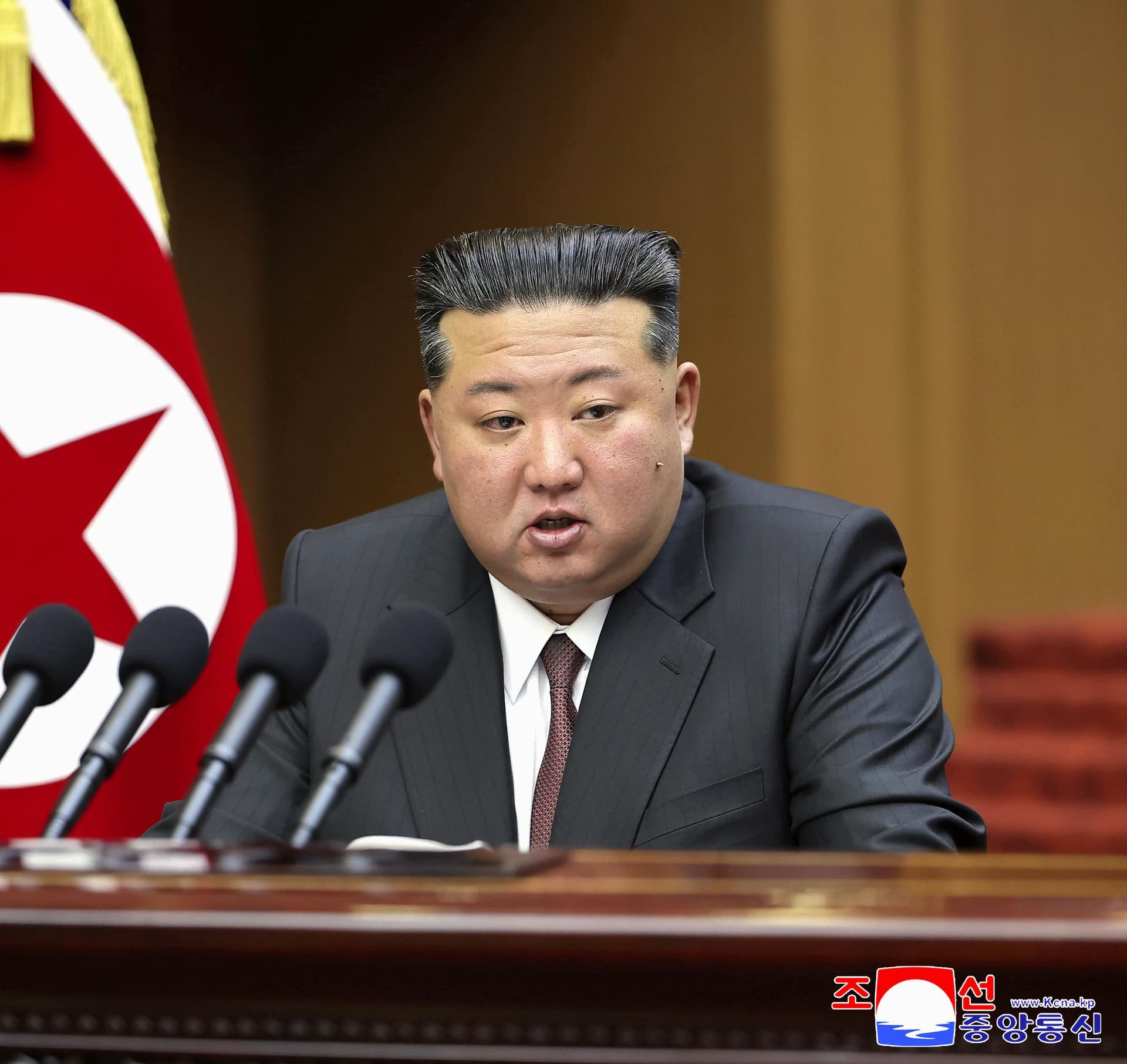
At the same meeting, Kim ordered a buildup of conventional weapons and acceleration of construction on a 10,000-ton strategic guided missile cruiser. North Korean state media did not disclose any immediate change to the nuclear arsenal, but the combination of naval modernization, conventional rearmament and nuclear rhetoric showed a broader military push. That follows Kim’s June 3 visit to a newly inaugurated nuclear materials factory, where he called for an "exponential" expansion of nuclear forces, and Kim Yo Jong’s June 7 dismissal of U.S. denuclearization efforts as an "anachronistic dream."
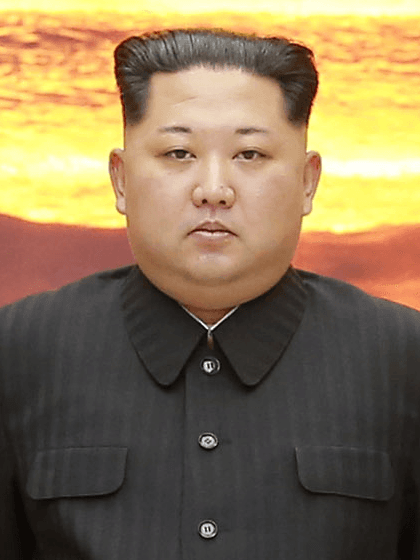
The broader context is one of entrenched defiance. The United Nations Security Council sanctions regime on North Korea dates to Resolution 1718 on Oct. 14, 2006, after the country’s first nuclear test, and it has been tightened after later tests in 2009, 2013, 2016 and 2017. Japan has continued to treat North Korea’s nuclear and missile programs as a live security threat, including the possibility of tactical nuclear use in a conflict involving U.S. and South Korean forces. With Jo Yong-won also elected secretary of the party’s central committee, the meeting underlined a familiar direction: permanent nuclear status, deeper military modernization and no sign of a softer line on denuclearization.
This article was produced by Prism’s automated news system from verified source data, official records, and press releases, then run through automated quality and moderation checks before publishing. The system is built and supervised by the people who set the standards it runs under. Read our full AI policy.
Know something we missed? Have a correction or additional information?
Submit a Tip