Kimmel mocks Trump’s Iran deal as Hormuz reopening remains uncertain
Kimmel turned the Iran deal into a punchline, mocking Trump’s $300 billion bargain as the Strait of Hormuz reopening stayed murky.
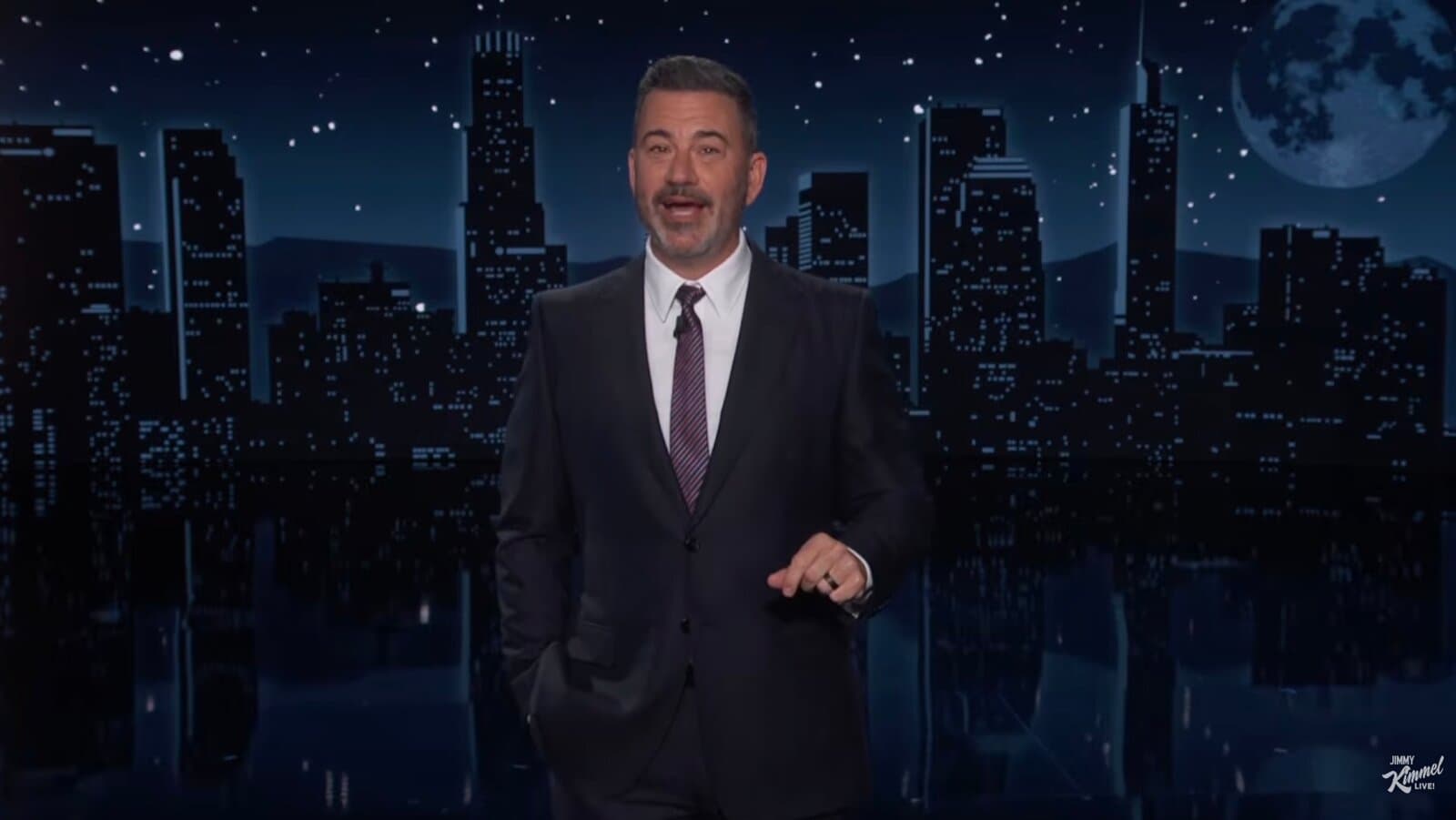
Jimmy Kimmel treated the U.S.-Iran accord as the kind of geopolitical deal that practically writes its own punchline, zeroing in on the price tag and the uncertainty around whether the Strait of Hormuz had truly reopened. “Although the agreement finally reopens the Strait of Hormuz, we threw in a minimum of $300 billion,” Kimmel said. “Right now, Melania’s wondering, ‘How do I get a deal like that?’”
The joke landed because the agreement itself was still unsettled even as both sides moved to sell it as a breakthrough. The U.S. and Iran announced an interim arrangement to pause hostilities and reopen the Strait, with 60 days of additional negotiations on Iran’s nuclear program and a formal signing expected in Switzerland on Friday, June 19, 2026. Bloomberg said the deal was already in effect by June 17, but other reporting made clear that it was still unclear whether Iran had fully reopened the waterway immediately.
That ambiguity mattered because the Strait of Hormuz is one of the world’s most important shipping chokepoints, and the war had already shaken energy markets. CNN said the fighting and effective closure of the strait drove a major oil supply shock and pushed energy prices sharply higher, with global shipping, insurers, U.S. allies, and the White House all exposed to the fallout. The Kimmel segment leaned on that broader conflict picture, including accounts of U.S. strikes near the strait and Iranian drone activity across the wider war zone.
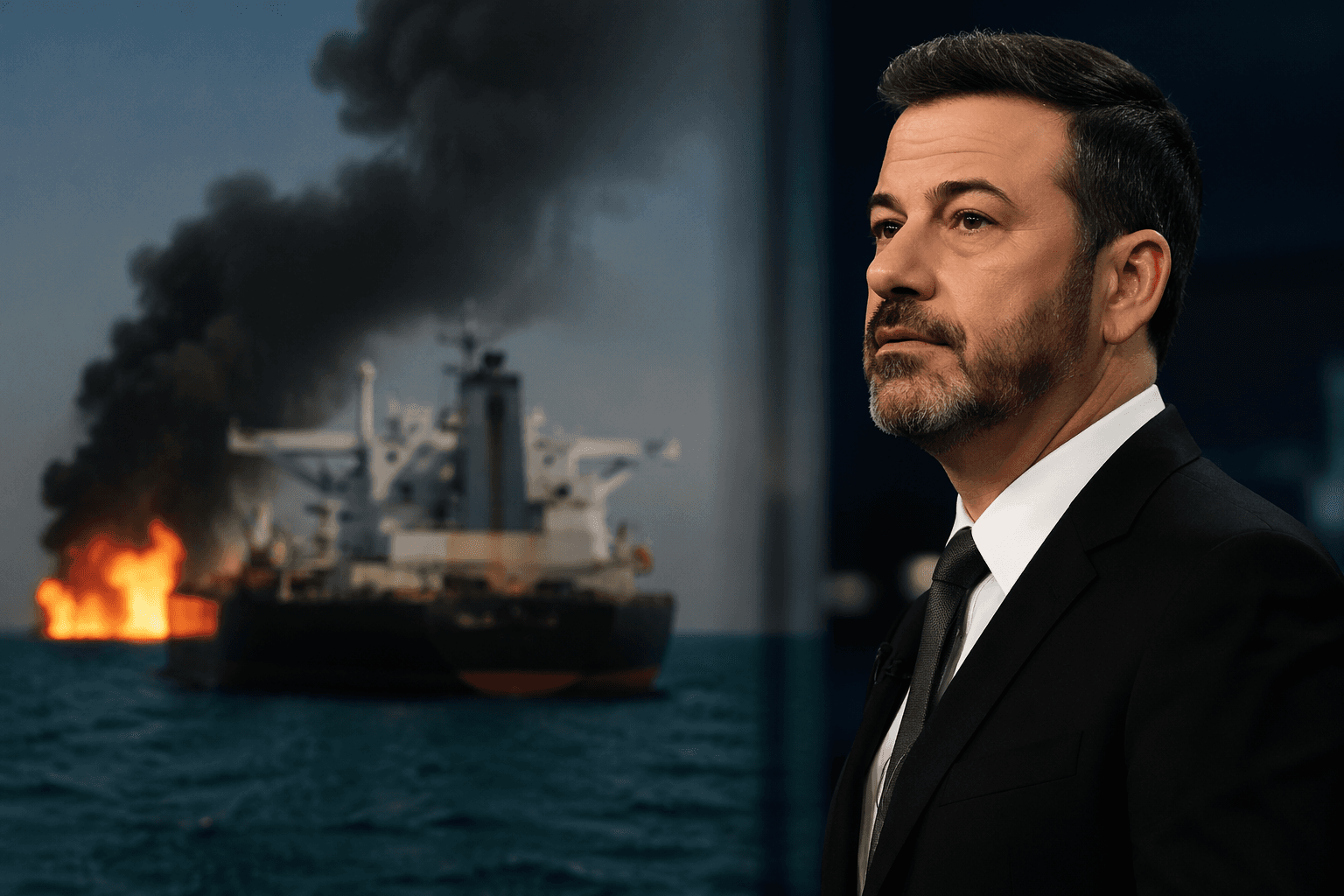
The political reaction was split along familiar lines. Leaders in the U.K., France, Germany, Italy and Japan welcomed the deal, while some European governments signaled they could consider easing sanctions if Iran moved to curb its nuclear program. Republican critics in Trump’s own party called it a win for Tehran and objected to reopening Hormuz before the nuclear issue was settled. Iranian officials, including Abbas Araghchi and Kazem Gharibabadi, said implementation would begin after formal signing and portrayed the arrangement as favorable to Tehran.
For Trump, the deal offered a chance to claim de-escalation in a crisis that had dragged on for more than three months. But Kimmel’s monologue captured the central vulnerability quickly: if the strait was not fully reopened, and the nuclear dispute remained unresolved, the administration could be left defending a pause in fighting that still looked incomplete.
This article was produced by Prism’s automated news system from verified source data, official records, and press releases, then run through automated quality and moderation checks before publishing. The system is built and supervised by the people who set the standards it runs under. Read our full AI policy.
Know something we missed? Have a correction or additional information?
Submit a Tip