King Charles opens new Parliament, setting out Starmer’s agenda
King Charles returned to public duties to open Parliament, unveiling a Labour agenda heavy on growth, housing, the NHS and climate law.
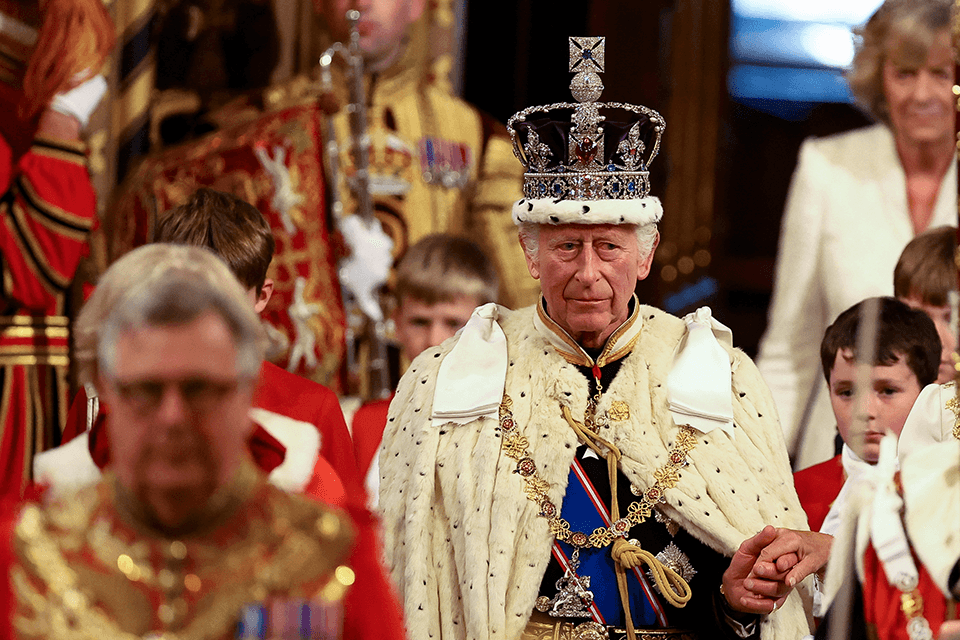
Behind the gold and ceremony at Westminster, the State Opening of Parliament served as a test of Keir Starmer’s political strength. King Charles III and Queen Camilla travelled from Buckingham Palace to the Palace of Westminster on the Household Cavalry escort, but the real message came in the programme laid before the House of Commons and House of Lords: Labour intended to move quickly, and in volume.
The opening on 17 July 2024 was the first State Opening of the Parliament elected after the 2024 general election. It was also Charles’s second State Opening as monarch and his first since returning to public duties after cancer treatment earlier in the year. For the government, the timing mattered. Labour had won the general election only 13 days earlier, and the new Parliament had been called to meet on 9 July, leaving Starmer little time to turn an election victory into a governing plan.
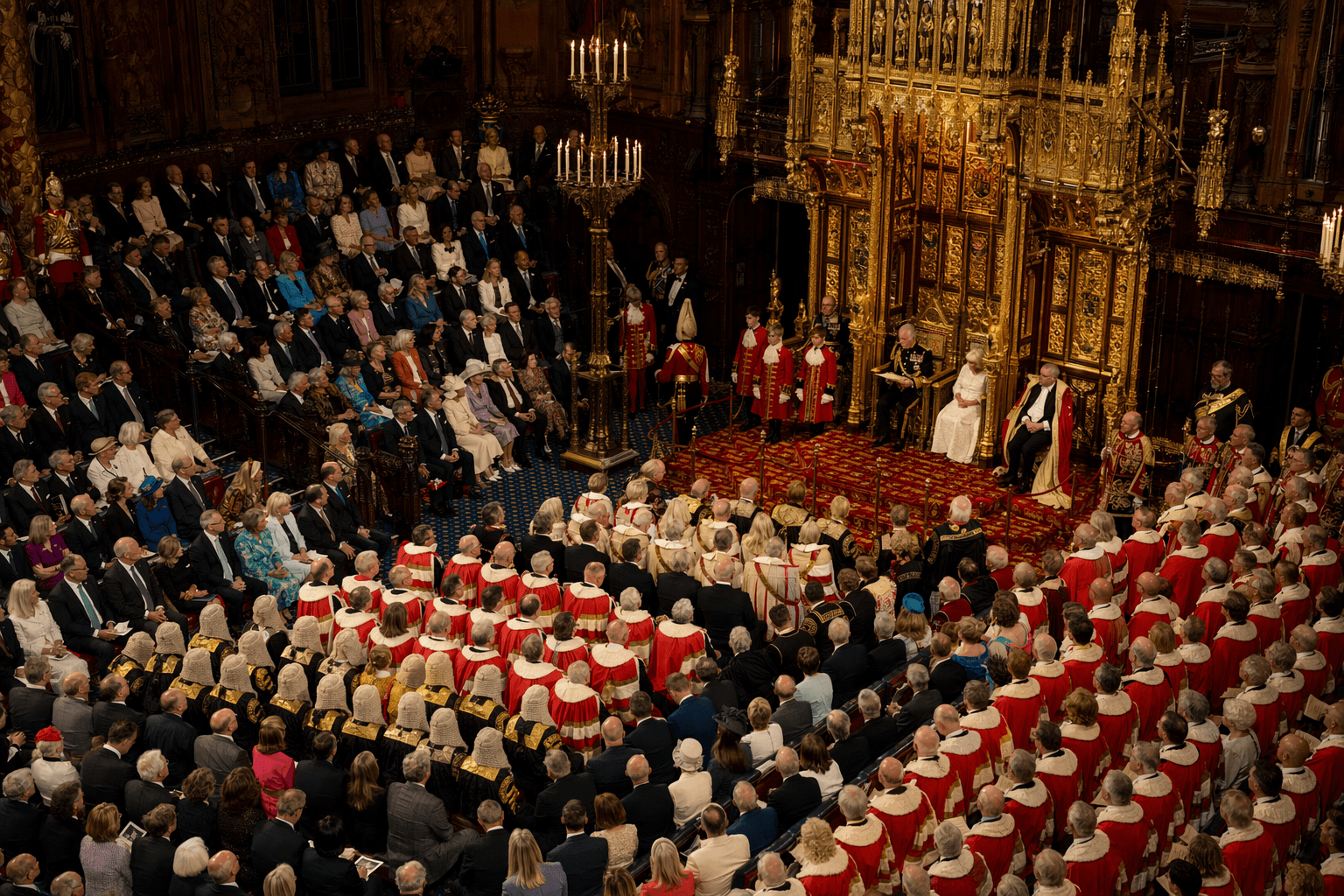
The speech itself was written by the government, not the monarch, and it set out the legislative programme for the coming session. This year’s version was unusually dense: it announced 40 bills, the most since 2005, and it was the longest monarch’s speech at a State Opening in more than two decades. The scale of the programme was meant to signal momentum, not caution, after a fast transfer of power from Rishi Sunak’s Conservatives to Labour.
The priorities highlighted were the issues that most directly shape daily life: economic growth, housing, the NHS and climate-related measures. Those themes point to a government trying to show that constitutional theatre can translate into practical policy, from investment and planning reform to pressure on public services and action on long-term environmental risk. They also underscored how much of Starmer’s agenda depends on execution, not symbolism.
Yet the backdrop remained uneasy. Commentary around the event noted bond markets were watching closely, reflecting concern about how Labour would fund and sequence its plans. That tension, between ceremonial confidence and political fragility, defined the day. The carriage, the robes and the procession drew the cameras, but the real scrutiny fell on whether the new government could turn a packed King’s Speech into durable authority.
Know something we missed? Have a correction or additional information?
Submit a Tip