King Charles’ U.S. Visit Delivers Subtle Rebuke to Trump and Trumpism
Charles wrapped a state visit in royal civility, but his Congress speech quietly pressed rule of law, NATO and Ukraine in language Trump could not easily ignore.
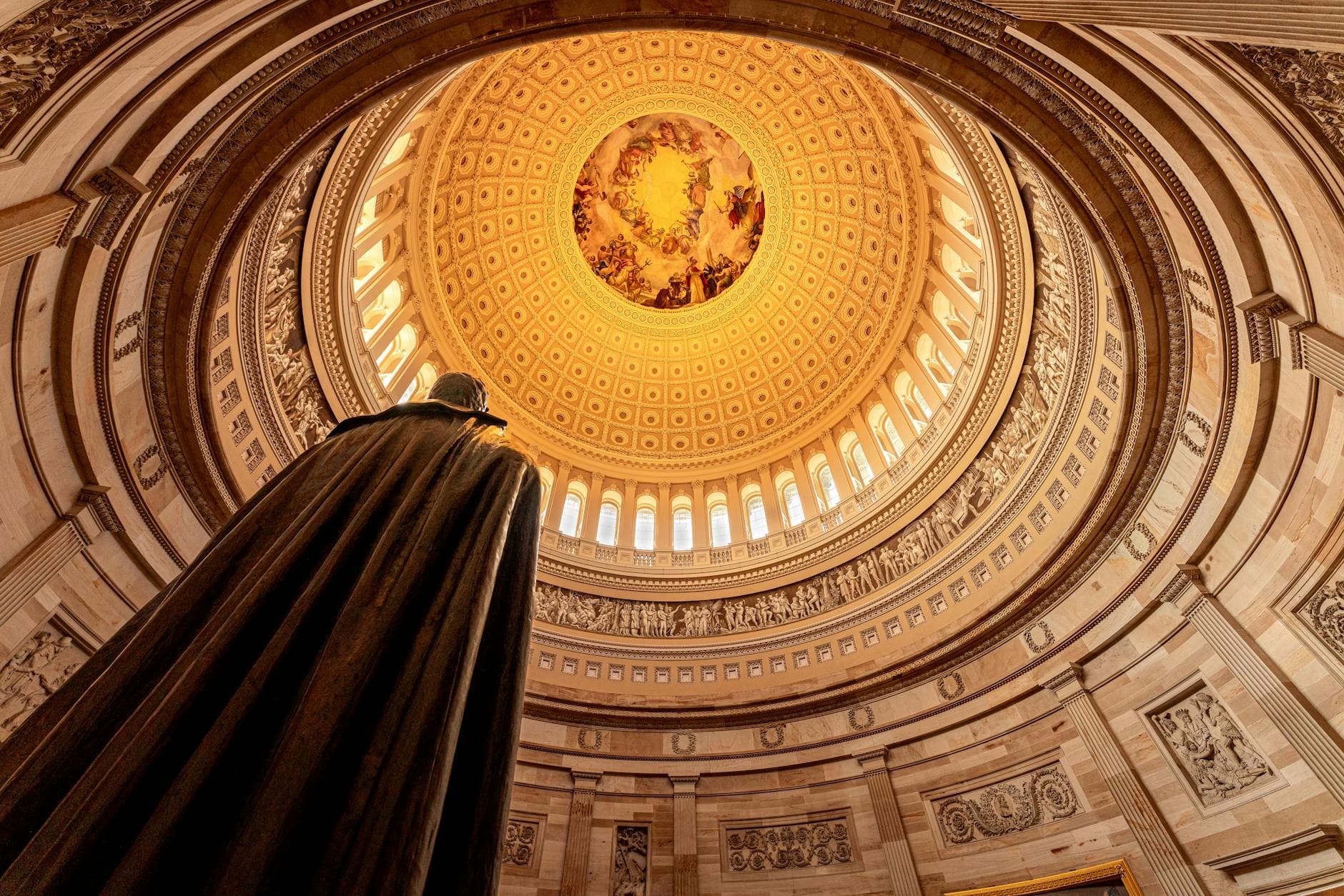
King Charles III used the softest tools of statecraft to land one of the sharpest political messages heard in Washington this year. During a four-day state visit with Queen Camilla, from April 27 to April 30, he became only the second British monarch to address a joint meeting of the U.S. Congress, and he did it in the middle of the 250th anniversary of American independence.
That timing mattered. The White House framed the visit as a celebration of the transatlantic alliance, and Trump welcomed Charles by calling the United States and Britain “close friends.” But British royal convention is built on restraint, and Charles leaned into that tradition rather than breaking it. Instead of naming political opponents, he spoke in the language of constitutional continuity: checks and balances, the rule of law, the limits on executive power rooted in Magna Carta, NATO, Ukraine and environmental stewardship. To American ears, it sounded ceremonial. To British ears, it sounded pointed.
The key line was not a taunt but a history lesson. Charles described the U.K.-U.S. relationship as a story of “reconciliation, renewal, and remarkable partnership,” then added that America’s words and actions carry global weight. In a British political context, that kind of phrasing is rarely neutral. It invokes duty, continuity and restraint, while quietly contrasting with a more confrontational, inward-looking style of politics associated with Trump and Trumpism.
The symbolism was reinforced by the setting. Queen Elizabeth II was the first British monarch to address Congress, in 1991, so Charles’s speech carried the weight of royal precedent. By using that stage to emphasize democratic safeguards and international alliances, he tapped a familiar British diplomatic habit: say enough to be unmistakable at home, while preserving plausible innocence abroad.
The rest of the trip followed the same script of ceremony with subtext. Charles and Camilla attended a White House state dinner, visited the 9/11 Memorial in New York City and made a final stop in Virginia before departing from Joint Base Andrews in Maryland. Trump kept the tone cordial, joking about the royal family and stressing the closeness of the relationship. Yet the deeper message of the visit was already clear. In a year when tensions over the war in Iran, NATO and Trump’s criticism of Britain and Keir Starmer strained the alliance, Charles used royal language not to fight openly, but to remind Washington what the partnership is supposed to defend.
This article was produced by Prism’s automated news system from verified source data, official records, and press releases, then run through automated quality and moderation checks before publishing. The system is built and supervised by the people who set the standards it runs under. Read our full AI policy.
Did this article answer your question?