King County jury awards $24 million in Seattle stem-cell wrongful death
A jury granted $24 million to the family of a Colorado man who died after spine injections at a Seattle clinic, raising questions about oversight in stem-cell therapies.
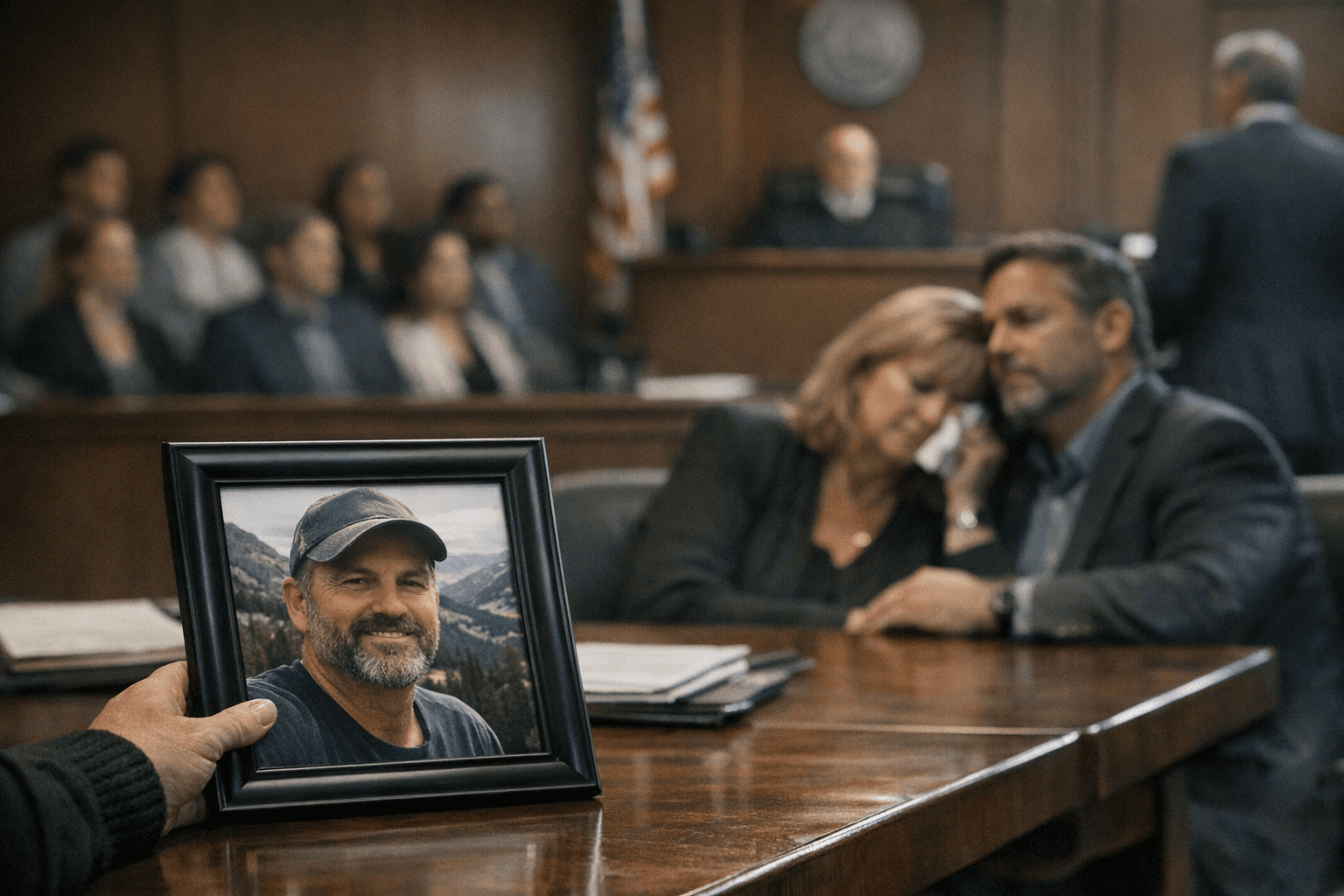
A King County jury awarded $24 million to the family of Mike Trujillo, a 62-year-old electrician from Westminster, Colorado, who died after receiving stem-cell injections at the Seattle Stem Cell Center, a verdict that could reverberate across the burgeoning and lightly regulated market for regenerative treatments. Jurors returned the award in late February and found two doctors negligent in the care that preceded Trujillo’s death.
Trujillo, diagnosed with amyotrophic lateral sclerosis in 2017, traveled to Seattle after the clinic’s online marketing and a free consultation led to an initial procedure in February 2019. He returned in April 2019 for a second treatment in which stem cells were injected into his spine. Trial evidence presented to the jury suggested the clinic made two mistakes during that procedure that caused bleeding and pressure shifts in his spine; Trujillo died the following day.
Witnesses described an emotional scene in the courtroom after the verdict. His widow, Carmen Trujillo, who testified during the trial on what would have been the couple’s 46th wedding anniversary, recalled the trip with a mixture of hope and grief. “We were so excited. There was hope for Mike,” she said. “We flew to Seattle with hope, and I flew home alone.” After the verdict, jurors lined up to hug her; she later described them as “such a blessing. They were smiling. They were so happy for us. It was just one big celebration.”
Dylan Cohon, the family’s attorney, framed the verdict as a broader public interest result. “This verdict is about justice, compensation, and accountability,” he said. “Medical providers who market treatments to vulnerable patients need to be honest about whether there is any scientific evidence that the treatments will work.”
Court filings provided at trial and the jury’s finding focus attention on a market where patients with progressive, fatal conditions may seek experimental interventions outside conventional research frameworks. The Seattle clinic promoted stem-cell treatments for a range of serious conditions, including ALS, and offered a free consultation that led to Trujillo’s first procedure. Reports indicate the clinic later rebranded but continued to be operated by the same physician; the clinic has previously faced legal scrutiny, and in 2022 then-Gov. Bob Ferguson won an unrelated case against the business over its marketing tactics.
The verdict raises policy questions for state regulators, medical boards, and lawmakers about how to protect patients pursuing unproven therapies. Public health experts and patient advocates have long warned that the commercialization of experimental regenerative medicine can expose vulnerable people to physical harm and financial exploitation when oversight is weak. The jury award, and the testimony that preceded it, will likely add pressure for clearer enforcement, licensing scrutiny, and consumer protections for clinics offering invasive procedures outside clinical trials.
Several key details remain to be publicly documented, including the full breakdown of the $24 million award, the names of the doctors found negligent, and whether defendants will seek an appeal. The family’s legal team and courtroom observers described the ruling as both personal closure and a message to providers who market hope to patients with limited options. “So, we came here with hope and left home without Mike,” Carmen Trujillo said at trial.
Know something we missed? Have a correction or additional information?
Submit a Tip

