King's Speech sets out 35-bill agenda on growth and security
Planning reform, renters' rights and transport bills topped the King’s Speech, and 30 of the 35 announced laws had become law by April 2026.
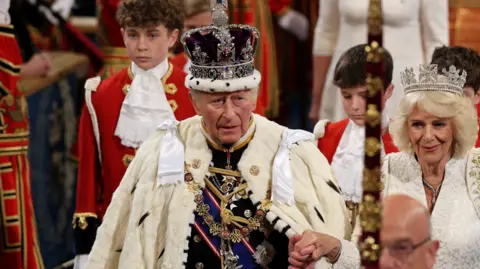
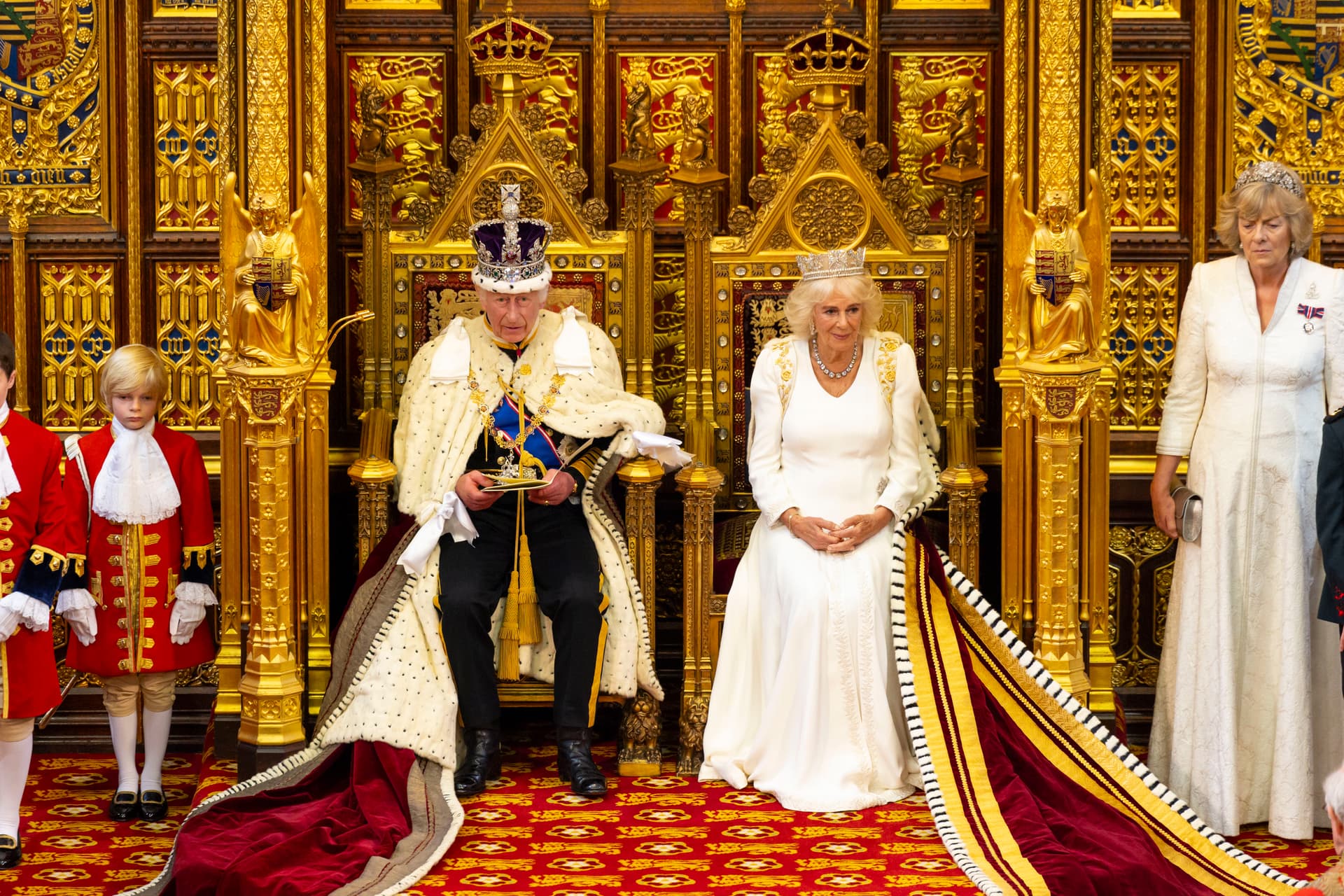
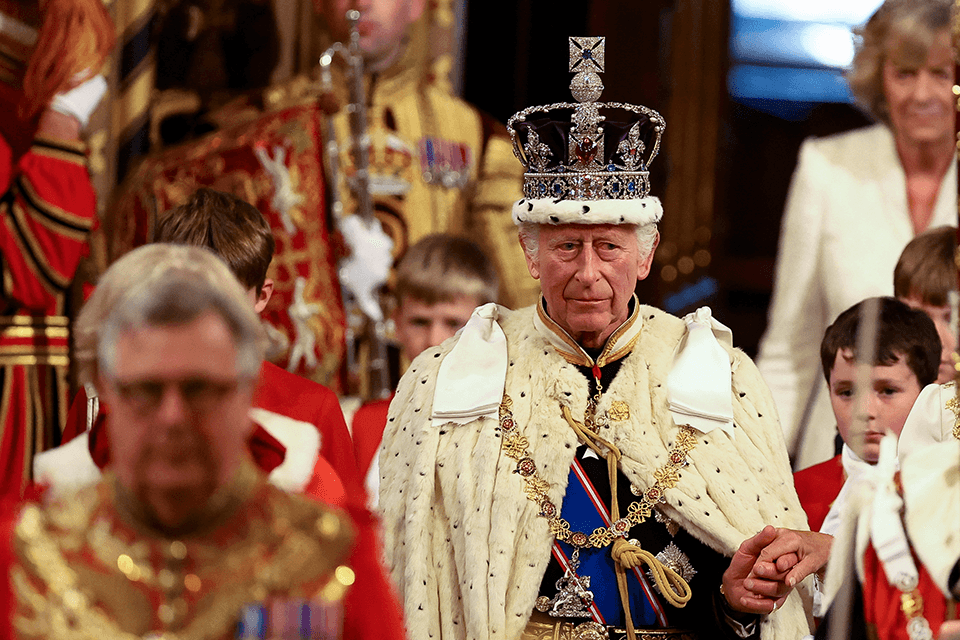
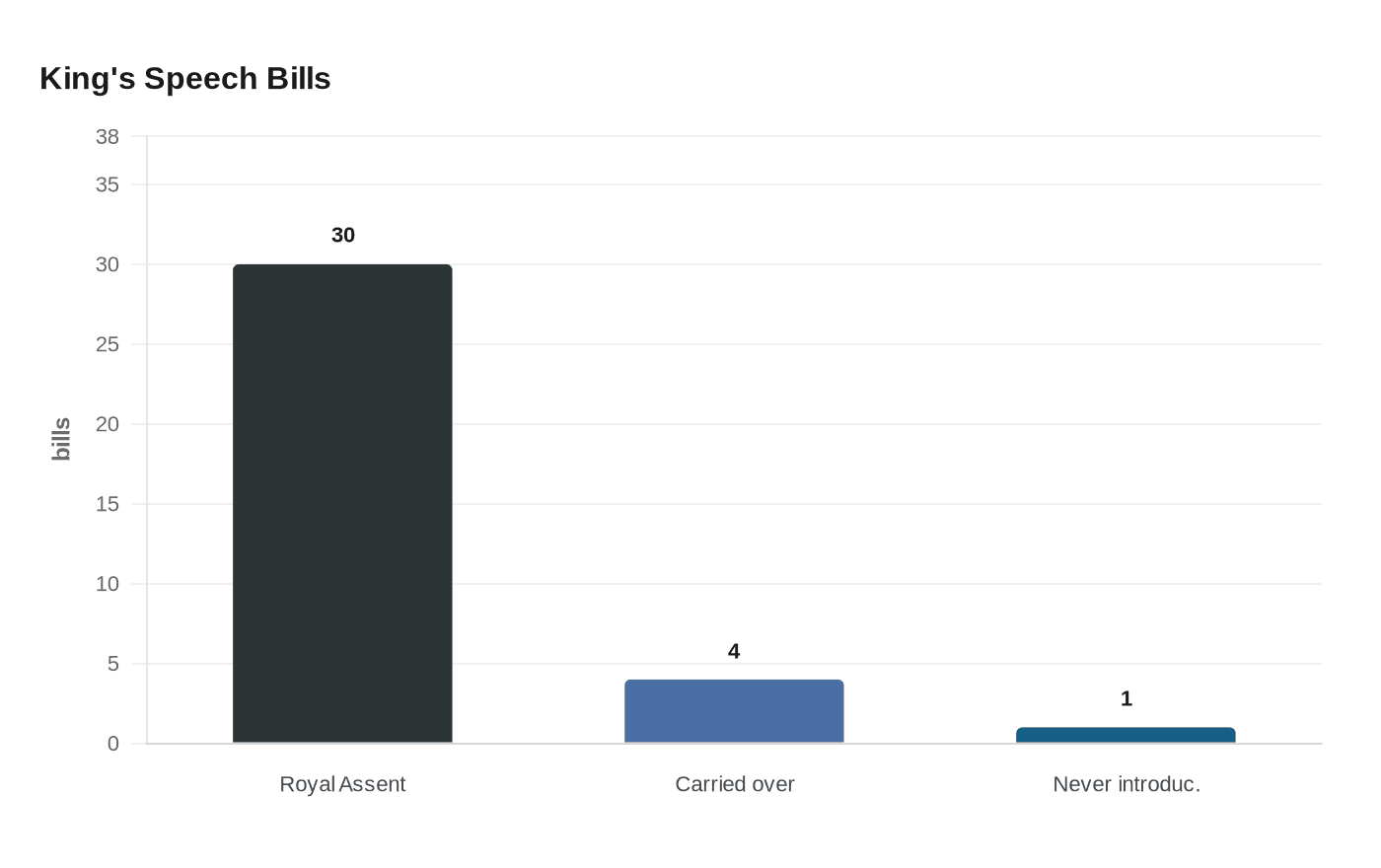
The clearest measure of the King’s Speech was not the ceremony at Westminster but the scorecard that followed. King Charles III set out a mission-led programme on 17 July 2024, built around security, fairness and opportunity for all, and by April 2026 the House of Commons Library had recorded that 30 of the 35 announced bills had received Royal Assent, four were carried over and one, the National Wealth Fund Bill, was never introduced.
For households, the most visible changes came from the laws aimed at housing, transport and work. The Renters’ Rights Bill promised the biggest day-to-day shift for tenants, while the Better Buses Bill and Passenger Railway Services (Public Ownership) Bill pointed to a more interventionist transport agenda that could reshape commuting costs and service control. The Employment Rights Bill also carried wide reach, because its effects would land in pay packets, shift patterns and workplace protection, not just in Whitehall briefing papers.
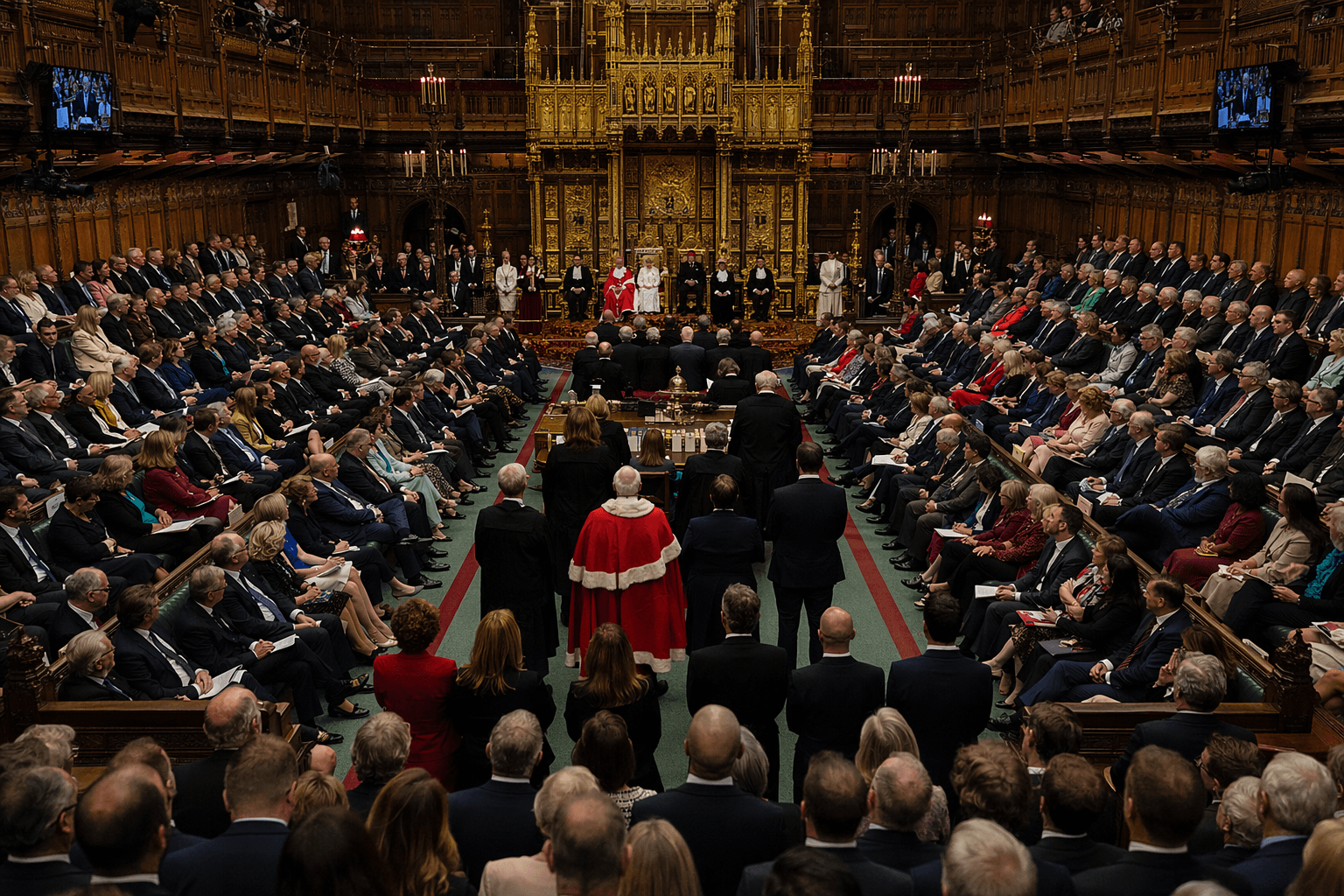
For business, the key question was whether the government could turn planning reform into faster delivery. The Planning and Infrastructure Bill sat near the top of the agenda, alongside the commitment to establish an Industrial Strategy Council and to require significant tax and spending changes to be independently assessed by the Office for Budget Responsibility. Rain Newton-Smith of the CBI said the programme set out “big choices and bold moves” and welcomed the planning changes, faster infrastructure approvals, better use of data and stronger coordination between central and local government, while warning that consultation would need to be meaningful to avoid unintended consequences.
The public health and safety agenda was just as concrete. The Tobacco and Vapes Bill and the Mental Health Bill signalled two areas where policy could move quickly from statement to service impact, especially if ministers kept the cross-party momentum the government said already existed on smoking reduction and football governance. The speech also included proposals connected to Hillsborough law and an Armed Forces Commissioner, both of which spoke to accountability as much as symbolism.
The practical test now sits with delivery. Nick Emmerson of The Law Society welcomed the justice focus but said new laws would not be enough without funding, calling for a 15% real-terms rise in criminal legal aid rates and £11.3 million for civil legal aid early advice. Local government leaders made a similar argument, saying councils needed long-term funding certainty and multi-year settlements if they were to carry out the programme. On the evidence of the first 21 months, the most viable promises were the ones tied to housing, transport, planning and work, and those were also the ones most likely to be felt first in homes, high streets and local services.
This article was produced by Prism’s automated news system from verified source data, official records, and press releases, then run through automated quality and moderation checks before publishing. The system is built and supervised by the people who set the standards it runs under. Read our full AI policy.
Did this article answer your question?

