Kismet Kebabs fined £500,000 after lamb products contained little lamb
Routine takeaway buyers were sold kebabs labelled as lamb, but the meat was mostly fat, skin and other species, Swansea Crown Court found.
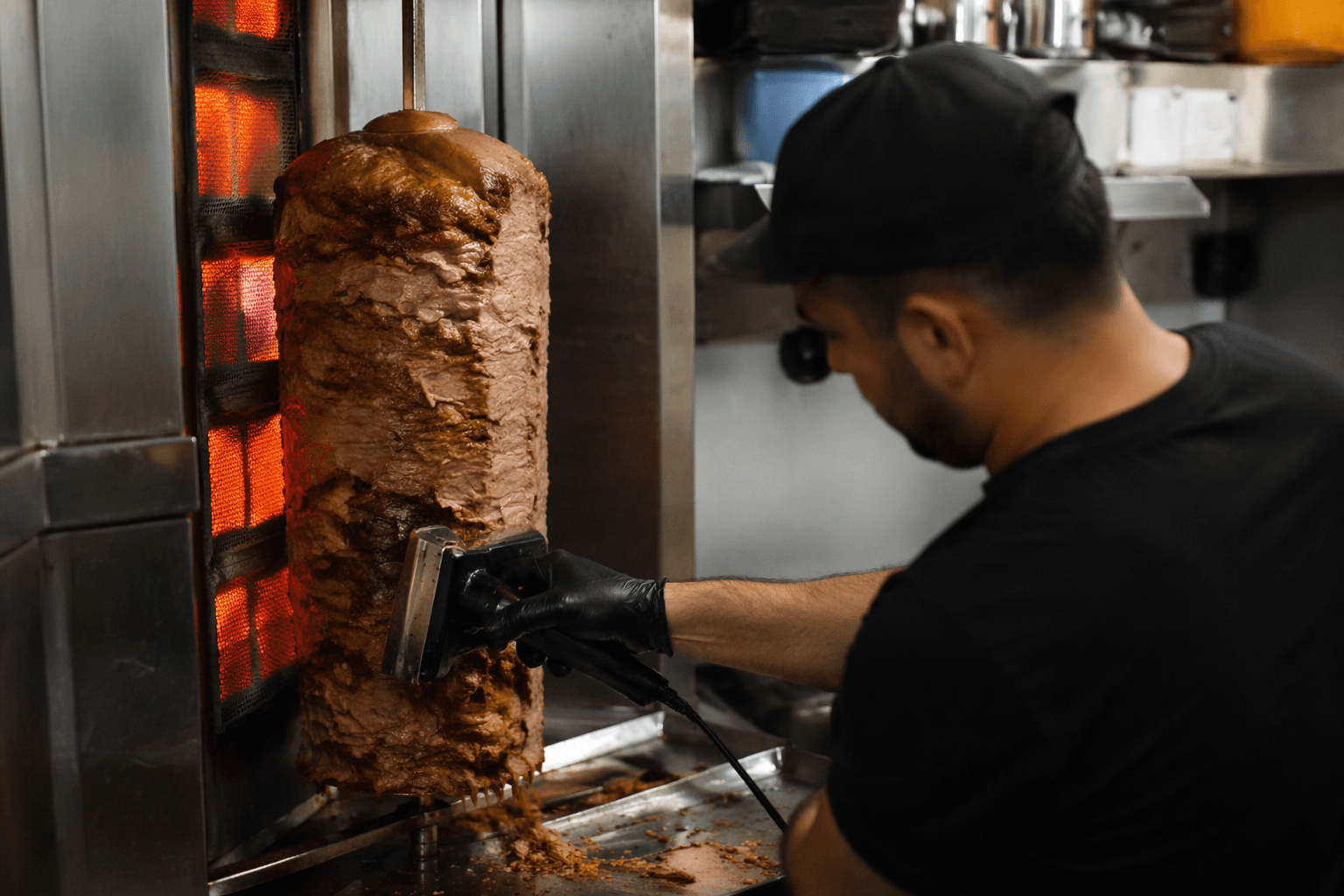
Routine takeaway buyers were misled by kebabs sold as lamb when the products contained little actual lamb, Swansea Crown Court found, in a case that exposed a prolonged fraud at Kismet Kebabs Ltd and the limits of day-to-day food labelling oversight. The company was fined £500,000 and ordered to pay £259,298 in costs after the court heard its products were made up of a mix of fat, skin, assorted meats and mechanically reclaimed meat products.
Prosecutor Lee Reynolds, appearing on behalf of Swansea Council, said Kismet had “misled wholesalers, retailers and consumers” by labelling products to indicate a specific quantity of meat that the company knew was wrong. The court heard that much of what was sold as lamb was in fact skin and fat, and that the business routinely bought goat, lamb fat, skin, mutton and other ovine products before processing them and passing them off as lamb. Other products were also sold as specific meats when they contained meat from a different species.
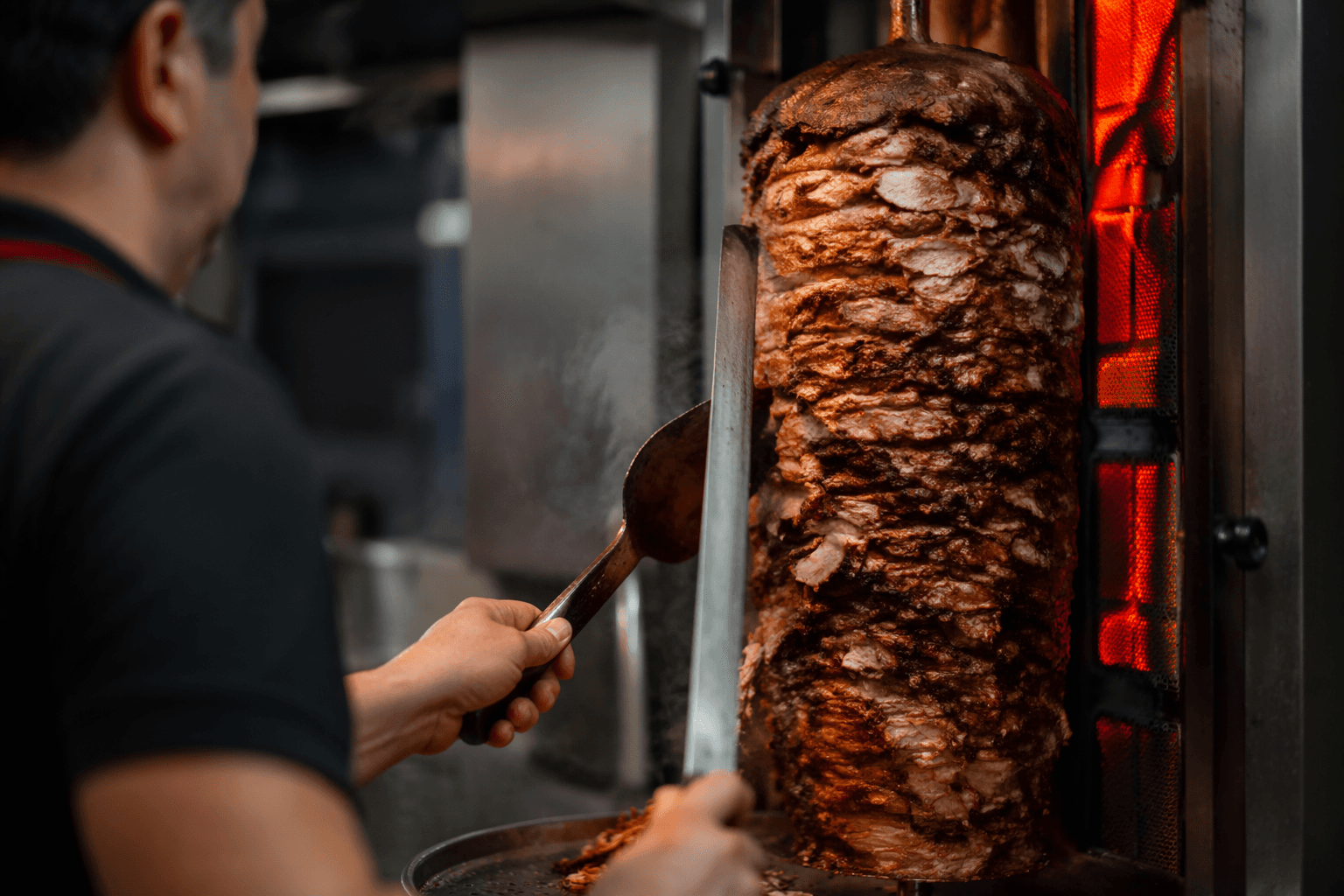
Swansea Council’s trading standards team uncovered the deception through a regional sampling exercise in late 2020 and early 2021. Samples taken across Swansea city and county did not match the declared meat content on their labels, and further samples from wholesalers also differed significantly from what the packaging claimed. Those findings prompted enquiries with the National Food Crime Unit and the Food Standards Agency, the body that leads law enforcement on food crime across England, Wales and Northern Ireland.
One sample cited in court showed the scale of the problem. A lamb doner that claimed to contain 87% lamb was found to contain only 51% meat and 40% fat. Swansea Council later terminated its agreement with Kismet after a factory audit found a lack of operation, serious labelling problems and potential public health issues. Trading standards officers visited Kismet’s factory in Chelmsford on 20 May 2021 and raised multiple concerns about production, packaging and labelling.
The court found the dishonesty had run over a prolonged period. Kismet Kebabs Ltd, incorporated on 2 May 2008 and registered at 190 Billet Road, London, had already pleaded guilty to one count of fraud by false representation. Essex council had long dealt with the company through a Primary Authority Partnership, but Reynolds told the court it had also been receiving complaints from councils around England about labelling and meat-content issues.
The case lays bare a basic consumer-trust failure in a market where buyers rely on labels to know what they are paying for. In a sector built on volume, low margins and repeat custom, the penalties now total more than three quarters of a million pounds, but the deeper question is whether that cost is enough to deter businesses that treat food labels as a form of fraud rather than a promise.
This article was produced by Prism’s automated news system from verified source data, official records, and press releases, then run through automated quality and moderation checks before publishing. The system is built and supervised by the people who set the standards it runs under. Read our full AI policy.
Know something we missed? Have a correction or additional information?
Submit a Tip