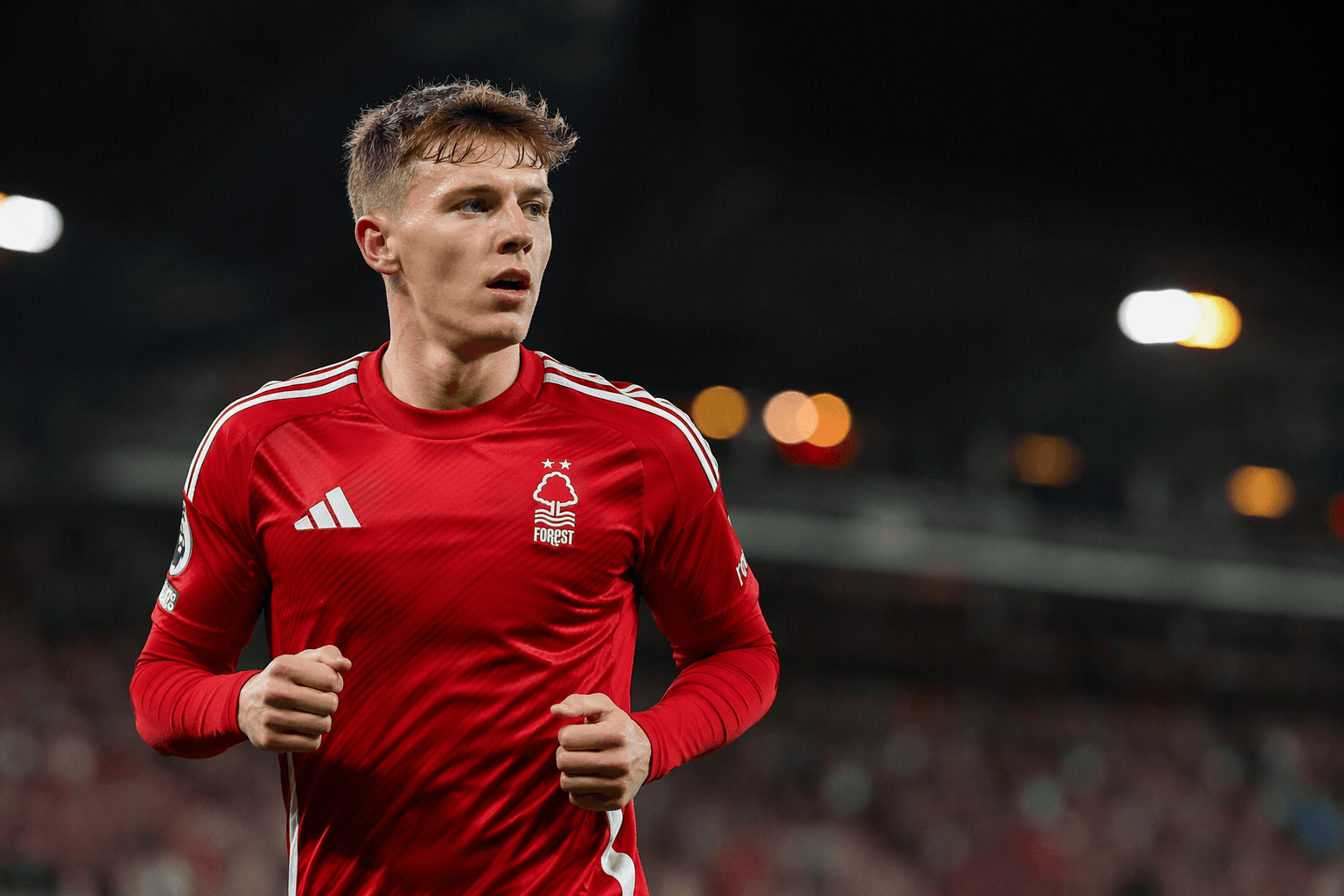
Konate reveals grief and depression after deaths of Jota and his father
Konate said Diogo Jota’s death and his father’s illness left him battling depression, even as Liverpool’s season and his own future at Anfield were collapsing around him.
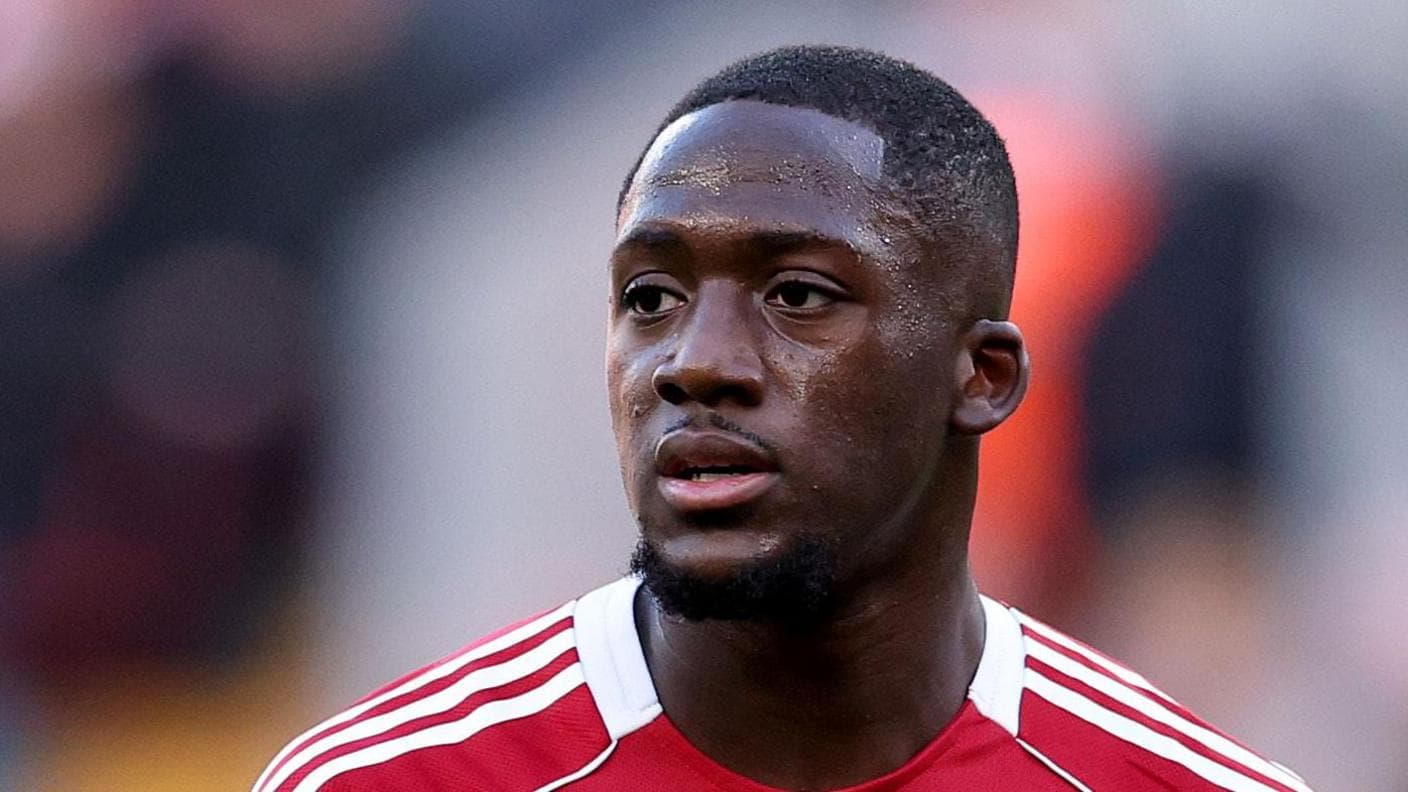
Ibrahima Konate has turned one of Liverpool’s most difficult seasons into a stark account of grief, depression and the pressure to keep playing through personal loss. The defender said the deaths of Diogo Jota and his father Hamady left him struggling to focus, while Liverpool was already preparing for the end of his five-year spell at Anfield.
Liverpool confirmed on 31 May 2026 that Konate would leave when his contract expires at the end of June. In 183 appearances for the club, the 27-year-old scored seven goals and helped win the Premier League title, two Carabao Cups, one FA Cup and one FA Community Shield. But his final campaign was shaped less by trophies than by trauma.
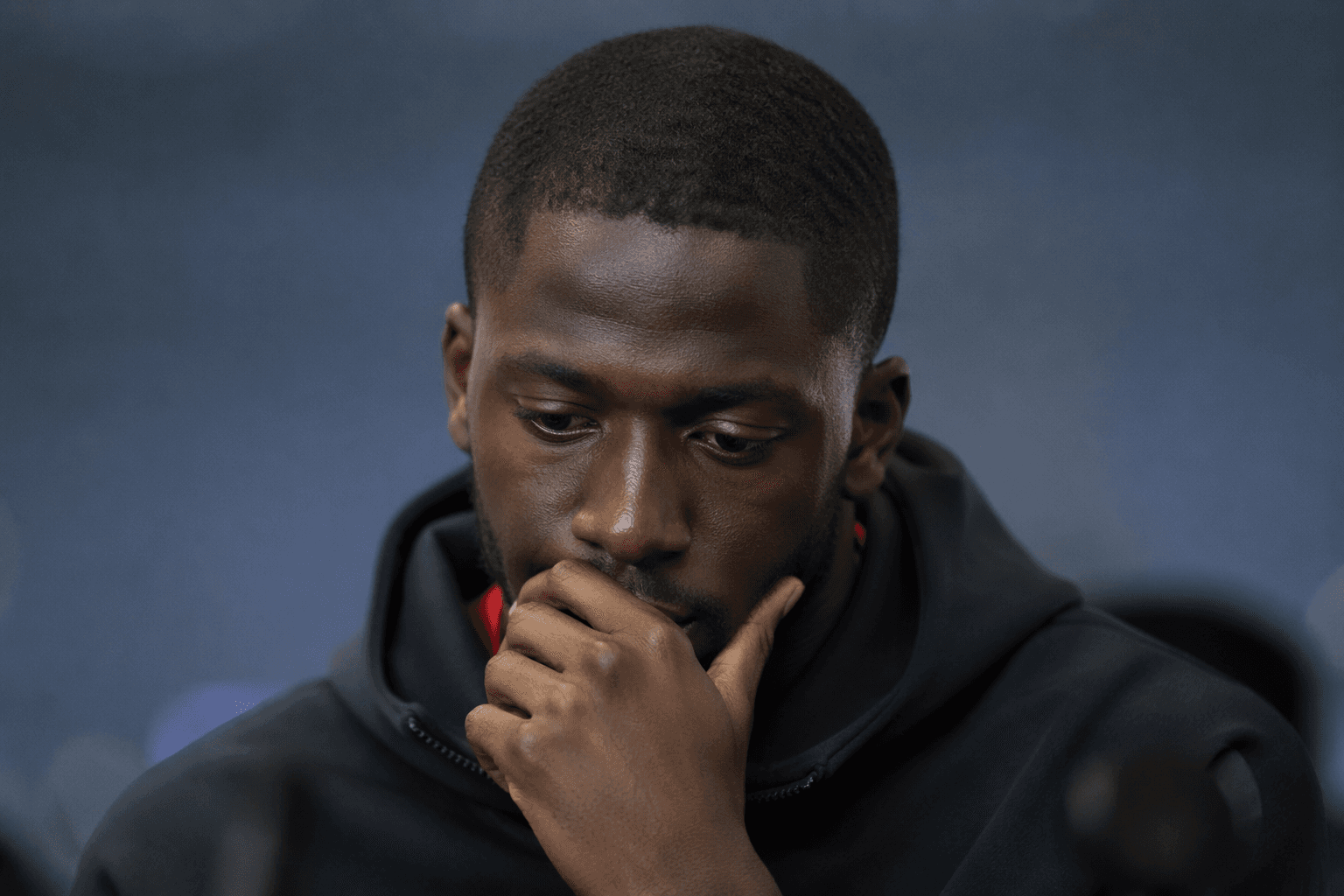
Jota died in a road traffic accident in Spain in July 2025, alongside his brother Andre Silva, and Liverpool retired the No. 20 shirt across all of the club’s teams. Konate said he learned the news while he was in Los Angeles and could not believe it. He described Jota, who was his neighbour at Liverpool, as a loss that devastated him and made it hard to think about anything else. The scale of the club’s tribute underlined how deeply Jota’s death cut through the dressing room, and how quickly football’s routines were overtaken by mourning.
Konate’s father spent several weeks in hospital at the start of the 2025-26 season and died in January 2026. Konate said he was unsure whether he should stop playing, but felt compelled to keep helping the team. He missed three Liverpool games after his father’s death before returning against Newcastle United on 31 January 2026, when he scored in a 4-1 win. He said the manager told him, “I can take my time,” but he felt it was important to come back.
The France Inter interview, conducted while Konate was in France national team camp, exposed a more uncomfortable question for elite sport: what support exists when grief becomes a workplace issue. Konate said he had not spoken to anyone at the time about his mental-health struggle and now regrets staying silent. His account suggests that, beyond tributes and condolences, clubs still have work to do in making sure players can talk openly when bereavement and depression collide with the demands of a season. With the World Cup eight days away, Konate’s words pushed that issue into the open again.
This article was produced by Prism’s automated news system from verified source data, official records, and press releases, then run through automated quality and moderation checks before publishing. The system is built and supervised by the people who set the standards it runs under. Read our full AI policy.
Did this article answer your question?
.jpg&w=1920&q=75)