Kootenai County LEPC Unveils New 2026 Format, Tackles Severe Weather Response
Kootenai County's LEPC held a Jan. 28 general meeting to roll out a new 2026 meeting format and sharpen regional plans for severe weather, damage assessment and debris management.
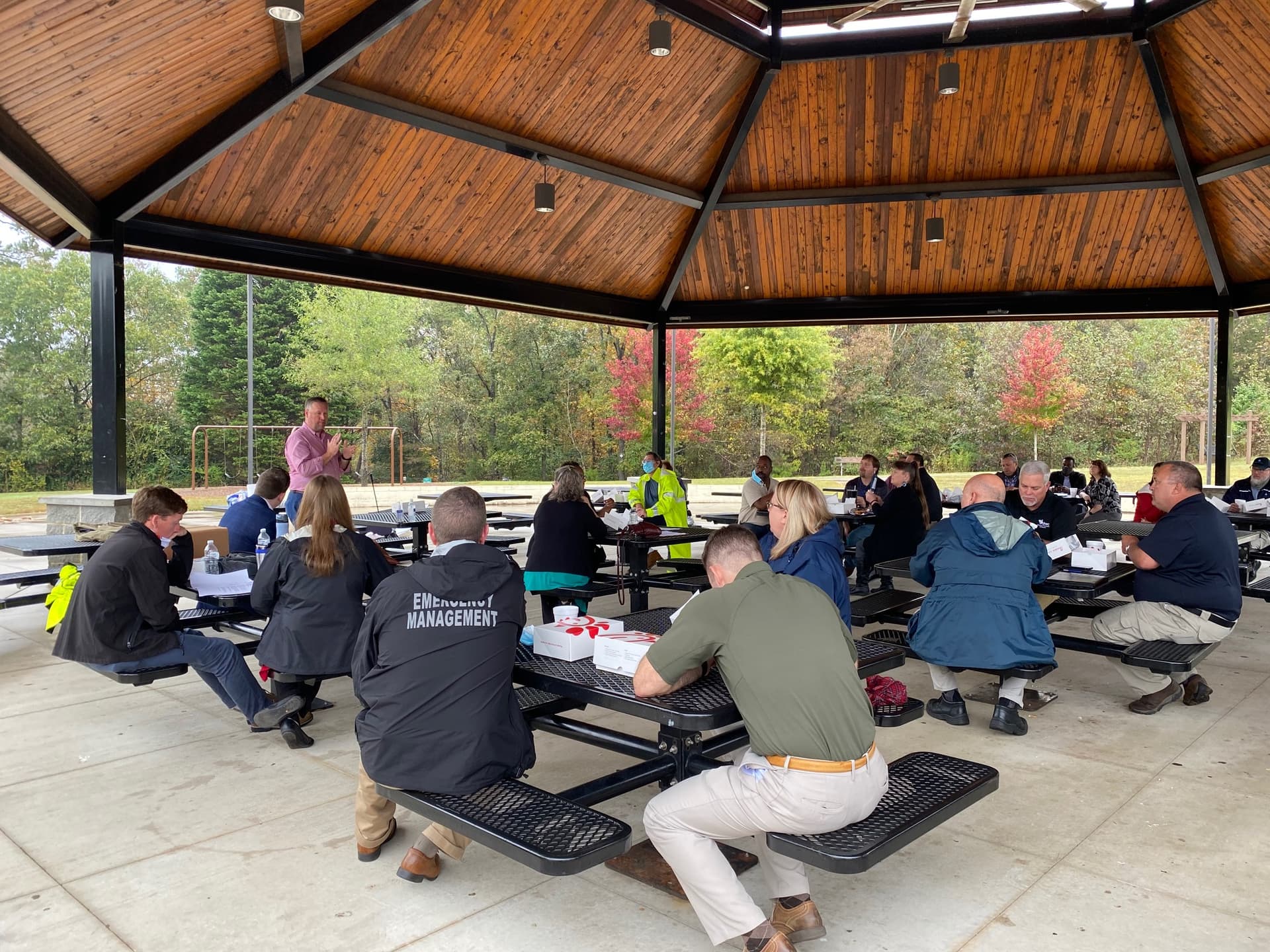
Kootenai County's Local Emergency Planning Committee (LEPC) convened its January general meeting on Jan. 28 from 8:00 to 9:30 a.m., unveiling a new meeting format for 2026 and focusing program topics on Severe Weather, Damage Assessment and Debris Management. The agenda, published as an official LEPC and Kootenai County Sheriff's Office document, gathered emergency managers, private utilities and public health partners to review operational lessons and identify capability gaps across mitigation, preparedness, response and recovery.
Presenters and partners listed on the agenda included the American Red Cross, Kootenai Electric, Panhandle Health District, Northern Idaho Health Care Coalition and local HazMat and FireSmart representatives. Kootenai Electric contributed material drawn from the 2025 windstorm, seeking to translate utility-sector lessons about outage response and infrastructure damage into countywide planning. Panhandle Health District and Northern Idaho Health Care Coalition represented the public health and health-care continuity perspective, while American Red Cross and local HazMat and FireSmart experts addressed sheltering, hazardous materials handling and wildfire-resilient property practices.
The meeting format change is designed to make the LEPC's general sessions more programmatic in 2026, with the agenda explicitly asking participating agencies and stakeholders to map capability gaps in each phase of emergency management. That inventorying step aims to tighten local coordination so that damage assessments are faster, debris management contracts and procedures are clearer, and public health and sheltering responses align with utility restoration and hazardous materials mitigation.
For residents, the practical takeaways are rooted in better coordination among agencies that respond after windstorms, floods or wildfire events. Faster damage assessment can shorten the time before insurance and recovery funds are mobilized. Improved debris management planning reduces neighborhood hazards and speeds road reopening. Health-system planning through the Panhandle Health District and the Northern Idaho Health Care Coalition aims to preserve hospital and clinic function during prolonged events.
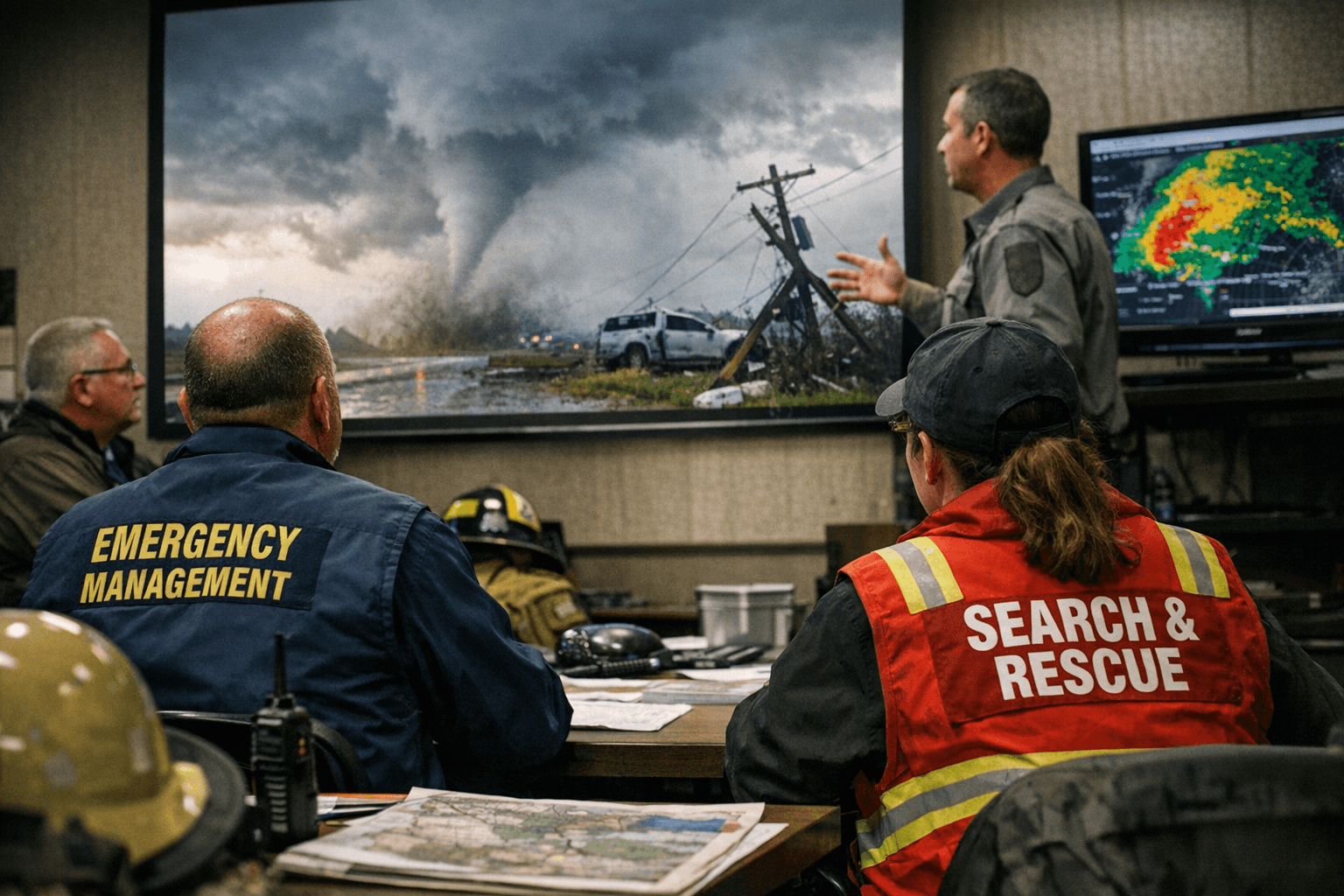
The published agenda also lists contact instructions and accommodations information for participants, reinforcing access and inclusion for community partners. Because the LEPC process depends on local input, attendees were asked to bring real-world observations about gaps in mitigation and response capacity so planners can prioritize resources and training in the months ahead.
What this means for Kootenai County residents is straightforward: emergency partners are retooling how they meet and how they identify weaknesses, using lessons from the 2025 windstorm and other events to shape 2026 programming. Review your personal emergency plan, secure loose outdoor items, and pay attention to local alerts as agencies translate the LEPC's new format into concrete operational improvements around severe weather and post-event recovery.
Sources:
Know something we missed? Have a correction or additional information?
Submit a Tip