Kootenai County site centralizes meetings, planning, tax, public input
Kootenai County's website centralizes meeting schedules, agendas and public hearing materials; residents can participate in person, by Zoom or by written comment.
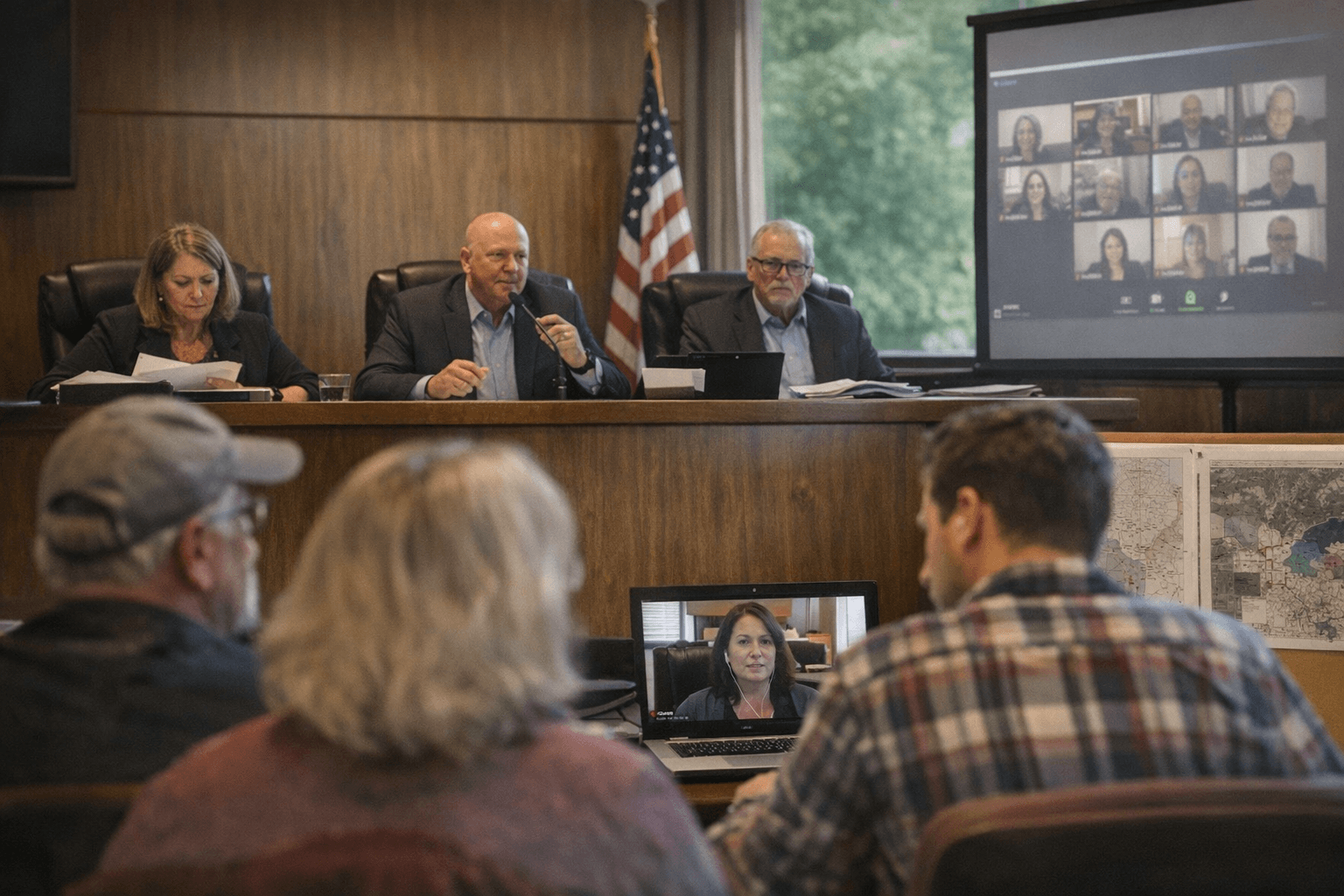
Kootenai County has positioned its official website as the primary, up-to-date hub for county business, consolidating schedules, agenda packets and public notices that shape local policy and everyday services. The online calendar posts Board of County Commissioners meeting agendas, minutes and sign-up instructions for public testimony, giving residents a single place to find when and how elected officials will act.
The Board of County Commissioners, or BOCC, conducts regular business meetings on Tuesdays where official actions are taken, while Planning & Zoning deliberations generally occur on Thursdays. Times, agendas and instructions for public participation are posted to the county calendar and individual meeting pages. Residents may appear in person, join virtually via Zoom or submit written comment; many hearings include a "sign up to testify" option and livestream links to follow proceedings in real time.
For land-use and development matters, Community Development pages list case files, staff reports and hearing dates that inform zoning decisions affecting property owners and neighborhoods across Coeur d'Alene, Post Falls and other communities in the county. The availability of staff reports and full case files online shortens the time residents need to prepare testimony and allows neighbors and developers alike to track applications from pre-application through hearing and decision.
The website also aggregates practical services that affect household finances and civic participation. Property tax and exemption forms are accessible online alongside notices required by statute. Links to the Assessor, Treasurer and Elections offices are included, providing a clear path to voter information, tax queries and property records. Parks & Waterways and other departmental pages offer a central reference for permits, recreation updates and shoreline issues that often intersect with planning debates.
Institutionally, the consolidation of agendas and public hearing materials strengthens transparency by standardizing where information appears and how the public intervenes in county decisions. Making virtual attendance and written comment routine can broaden participation beyond those able to travel to commission chambers, though the effect depends on outreach and the accessibility of meeting technology. For residents concerned with development patterns, tax exemptions or election procedures, predictable schedules and posted staff reports make it easier to mobilize or monitor officials' actions.
To engage directly, contact the BOCC at (208) 446-1600 or email kcbocc@kcgov.us and review the county meeting calendar, agendas and public hearing notices online. For neighbors tracking a land-use case or for anyone planning to testify, checking the Community Development case files and signing up in advance will ensure your voice is entered into the record.
Keeping meeting information centralized matters because it shapes who participates and how policies are formed; residents who use these tools can better hold officials accountable and influence decisions that affect property values, public services and local quality of life.
Sources:
Know something we missed? Have a correction or additional information?
Submit a Tip