Kootenai Journal essay defends plain-speaking, urges resistance to self-censorship
An opinion essay defended plain-speaking and urged resistance to self-censorship, arguing that open debate matters for Kootenai County civic life.
An opinion essay published Feb. 9 argued that plain-speaking and the civic value of speech that may offend are essential to healthy local democracy, and urged residents to resist self-censorship. The piece placed current debates about speech and a perceived "inquisition" into a historical context, warning that restraint born of fear can shrink public debate and weaken civic participation.
The essay frames the local moment as part of a longer pattern in which social and institutional pressures prompt people to silence themselves. That framing has direct implications for Kootenai County public life, where school board meetings, city council sessions, and neighborhood associations have been sites of contest over what speech is acceptable and what crosses the line into harassment or intimidation. The essay’s central claim is that overcorrection risks excluding voices and reducing the friction that public deliberation needs to surface trade-offs and hold officials accountable.
For local policymakers, the piece raises policy questions. Elected officials and administrative staff must balance free expression with obligations to maintain orderly public fora and protect individuals from threats. Clear, transparent rules for public comment, consistent enforcement, and accessible grievance procedures can reduce confusion while preserving broad space for debate. Public institutions that adopt vague or uneven policies invite dispute and may inadvertently push citizens out of civic life.
The essay also speaks to political organizing and voting behavior in Kootenai County. When residents perceive a chilling effect on speech, some disengage from meetings, candidate forums, and volunteer boards; others shift to more polarized channels. That can compress the range of ideas in local campaigns and affect turnout patterns. A sustained civic conversation about norms and boundaries can help candidates and civic groups craft outreach that rebuilds trust and brings more voices into the process.
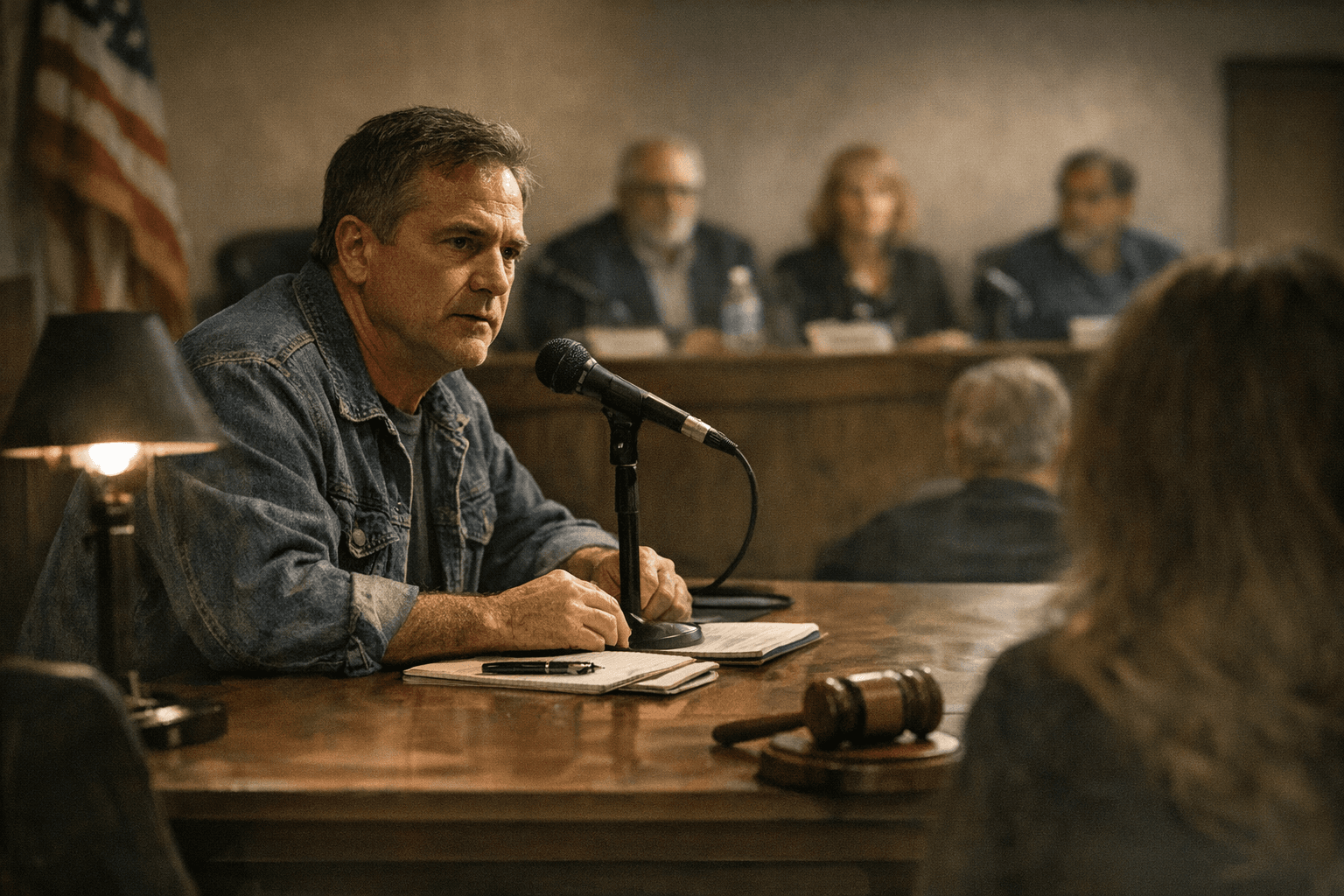
For community groups and residents, the practical implications are immediate. Attend public meetings and participate in established comment periods. Ask local boards to publish clear speaking rules and to provide training for moderators. Encourage civic hosts to set expectations that welcome robust debate while protecting individuals from targeted abuse.
The larger lesson is institutional. Kootenai County’s civic health depends on procedures that make speech possible and predictable, not on informal pressures that drive people silent. Readers can expect this debate to surface in upcoming meetings and candidate forums, where definitions of acceptable speech, enforcement practices, and voter engagement strategies will shape the county’s political culture going forward.
Sources:
Know something we missed? Have a correction or additional information?
Submit a Tip