Kosovo heads to third parliamentary vote in a year amid deadlock
Kosovo is back at the polls after a presidential deadlock dissolved parliament, deepening fears that political paralysis is undermining state capacity and EU ambitions.

Kosovo’s fragmented parliament has pushed the country back to the ballot box, with a snap parliamentary election set for Sunday after lawmakers failed to agree on a new president and even stalled on choosing a speaker. It is the third parliamentary vote in just 18 months, a sign that the crisis is now about institutional durability, not ordinary coalition wrangling.
The immediate trigger was a missed Constitutional Court deadline of April 28, which forced the Assembly to dissolve and opened the way for another election. That collapse came after months without a functioning government, leaving Kosovo unable to settle the basic mechanics of power while parties argued over leadership and a presidential compromise.
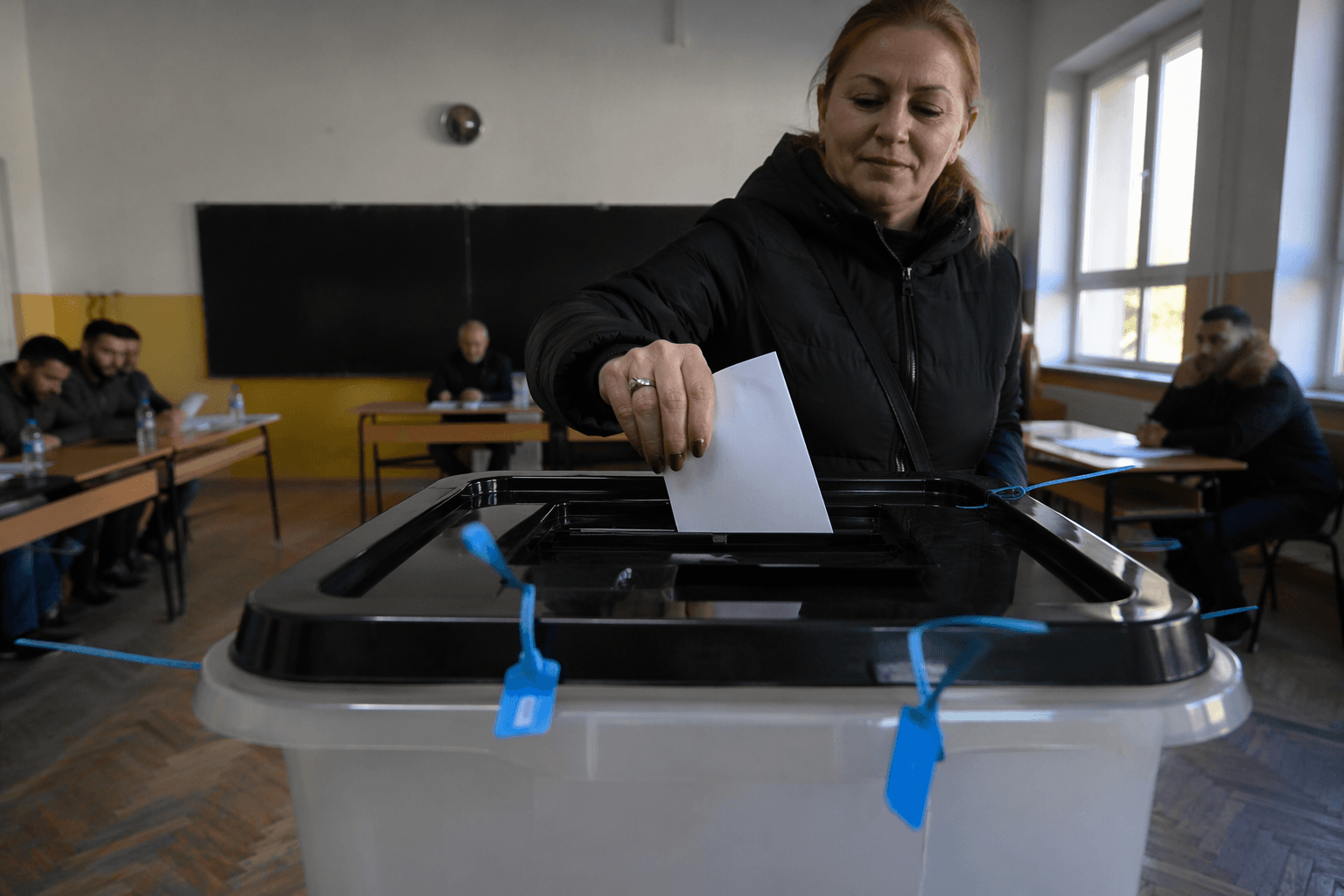
Prime Minister Albin Kurti’s Vetevendosje remains the favorite to come first again, after winning 51.1% of the vote in December. But the larger problem has not been winning seats; it has been assembling the two-thirds parliamentary majority needed to elect a president and sustain governing stability. Analysts say another strong showing by Vetevendosje would not automatically end the deadlock if Kurti cannot build a workable deal with other parties.
The election has also exposed how crowded and fragmented Kosovo’s politics have become. The Kosovo Central Election Commission certified 902 parliamentary candidates from 21 political entities, including 17 parties, three coalitions and one independent candidate, for the 120-seat parliament. That breadth of competition underscores the difficulty of translating votes into a durable governing coalition.
The cost of the stalemate reaches far beyond Pristina. The European Commission still describes Kosovo as a potential candidate for EU membership and says public support for the European path remains strong, but its 2025 report said the political deadlock has slowed preparations and reform progress. EU officials have also made clear that normalization with Serbia remains essential to any advance toward membership.
That message was reinforced in Pristina on Wednesday, when European Council President Antonio Costa said the EU has been Kosovo’s strongest and most reliable partner since 1999 and can support Kosovo, but cannot do Kosovo’s homework. European enlargement commissioner Marta Kos also visited Kosovo in mid-May to stress support for its European perspective and the need for faster reforms.
The warning from Brussels is clear: repeated elections without a governing bargain are eroding Kosovo’s credibility at home and abroad. In a region where political paralysis can quickly become a security concern, another mandate without a stable coalition would extend uncertainty rather than resolve it.
This article was produced by Prism’s automated news system from verified source data, official records, and press releases, then run through automated quality and moderation checks before publishing. The system is built and supervised by the people who set the standards it runs under. Read our full AI policy.
Know something we missed? Have a correction or additional information?
Submit a Tip