Kozo Okamoto, 1972 Lod Airport attacker, dies in Beirut at 78
Kozo Okamoto, wounded in the 1972 Lod Airport attack that killed 26, died in Beirut at 78 after decades under Palestinian protection.
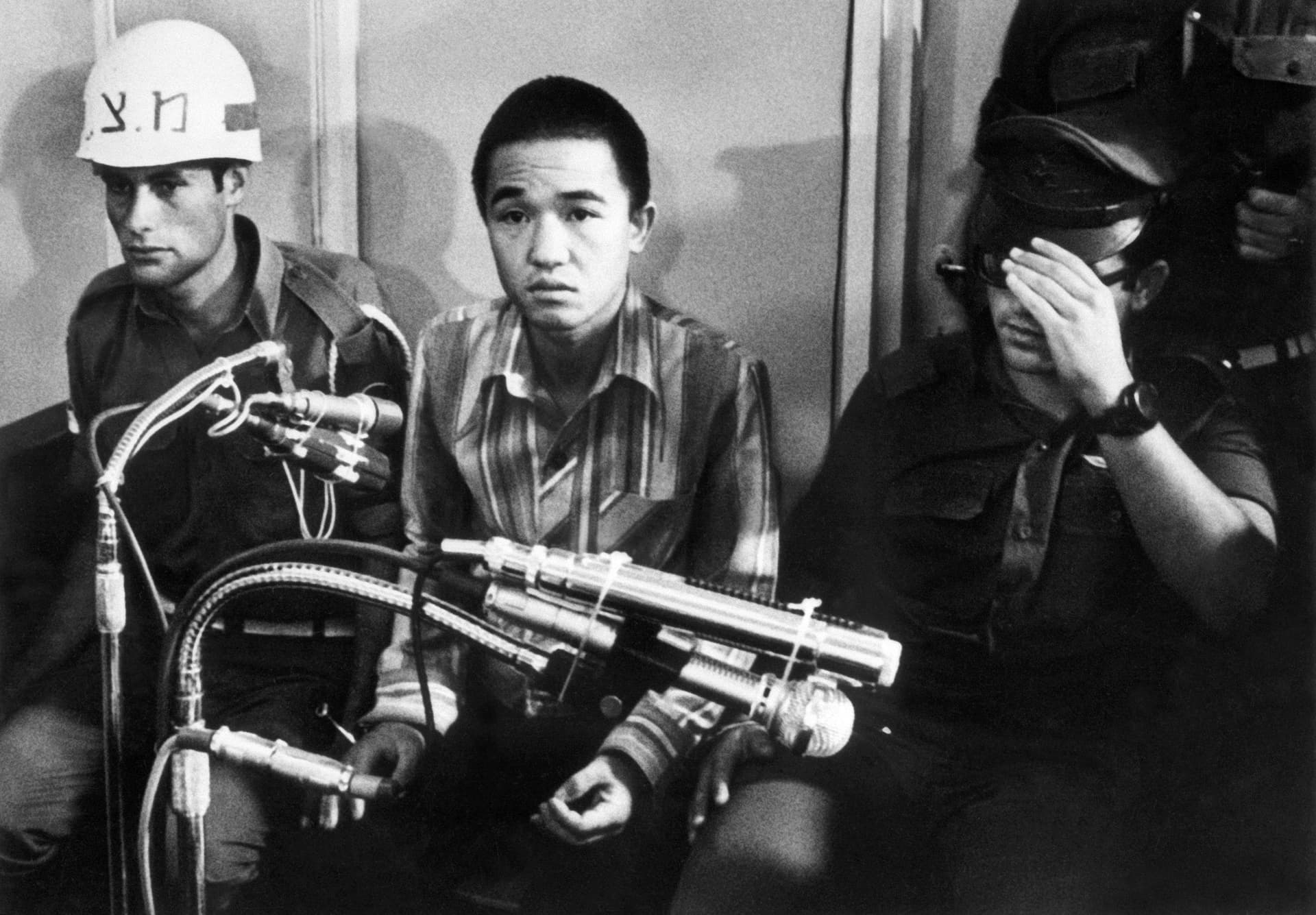
Kozo Okamoto, the Japanese militant who helped carry out the 1972 assault on Lod Airport near Tel Aviv, died in Beirut at 78, the Popular Front for the Liberation of Palestine said. His death closed a chapter that began with one of the most notorious transnational attacks of the 1970s, when Japanese radicalism and Palestinian militancy converged in a strike that left 26 people dead.
Okamoto acted with two other members of the Japanese Red Army, the left-wing militant group founded by Fusako Shigenobu and others. On May 30, 1972, the attackers opened fire with submachine guns and threw hand grenades at the airport. Okamoto was wounded in the assault and captured, then sentenced in Israel to three life terms.

He spent 13 years in prison before Israel released him in 1985 in a prisoner exchange deal following another PFLP operation. After his release, he returned to Lebanon and lived there under PFLP protection. Lebanon granted him political asylum in 2000, making him the first and only person to receive asylum in the country.
Japan’s National Police Agency said Okamoto had been active in protest movements while studying at Kagoshima University in southwestern Japan, including demonstrations against the Vietnam War, before joining the now-disbanded Japanese Red Army. His final public appearance came in 2022, when he attended a ceremony in Lebanon marking the attack’s 50th anniversary. PFLP members escorted him to a cemetery near the Shatila refugee camp, where he laid a wreath for comrades killed in the operation.
For Israel, the attack remained tied to the memory of passengers, airport workers and others killed in a sudden burst of gunfire and explosives. For Okamoto’s supporters, his long exile in Lebanon reflected a different political history, one shaped by the Palestinian cause, prisoner swaps and asylum. Half a century after the killings at Lod Airport, his life ended far from Japan and far from the scene of the attack, leaving the record of accountability and remembrance divided along the same lines that defined the violence itself.
This article was produced by Prism’s automated news system from verified source data, official records, and press releases, then run through automated quality and moderation checks before publishing. The system is built and supervised by the people who set the standards it runs under. Read our full AI policy.
Did this article answer your question?