KPMG Finds Chicago Leaders Prioritize Hiring, AI, Real Estate and Resilience
KPMG’s Chicago survey found 98% of local leaders forecast sales growth in 2026, with 92% calling AI a top investment priority and 81% planning to add headcount.

KPMG LLP’s local-market survey, released February 12, 2026, found 98% of Chicago business leaders forecast sales growth in 2026, 92% said artificial intelligence would be a top investment priority, 81% expect to increase headcount, and 80% plan acquisitions. The study was published under the title “KPMG 2026 Perspectives: Local Insights from Chicago.”
KPMG said the study drew on interviews with 102 business leaders at companies with more than $50 million in annual revenue. The release carried a NEW YORK byline and the survey sample size and revenue threshold were also reported in ChicagoBusiness coverage of the findings.
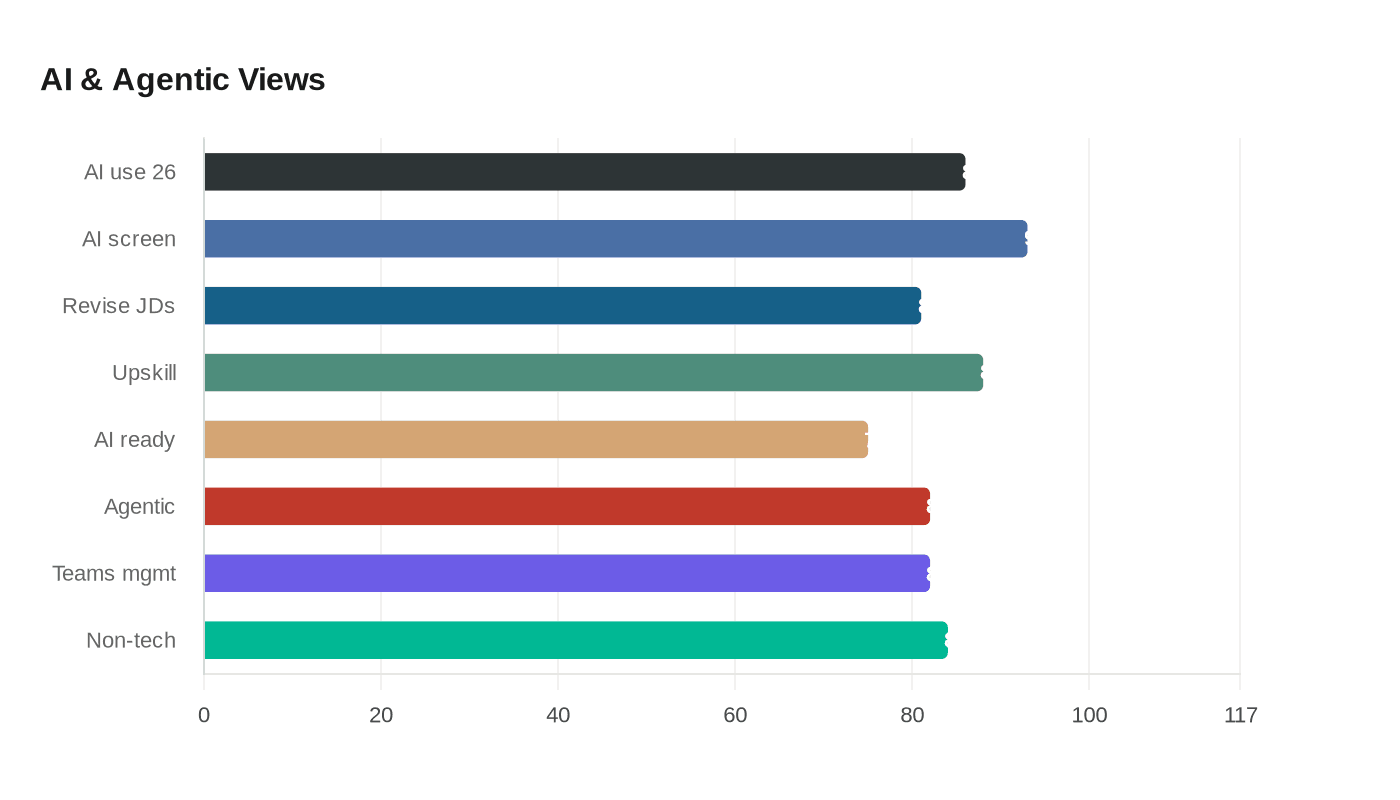
On AI adoption, KPMG reported 86% of respondents plan to increase AI use in 2026 and 93% are using AI for candidate screening. The firm’s press copy added that 81% of respondents are revising job descriptions to include AI competencies, 88% are upskilling current employees, and 75% are investing in AI workforce readiness and governance controls.

The survey flagged agentic AI as an operating-model issue. KPMG found 82% of Chicago leaders believe agentic AI will transform how work is organized, 82% expect business teams to manage AI agents’ performance, and 84% anticipate employees outside technology roles managing multiple agents. KPMG’s accompanying assets urged firms to “Build a future-ready, agent-empowered workforce. Redesign a talent strategy that is focused on upskilling, building AI fluency, and cultivating the next generation of leaders who can effectively use, manage, and master AI.”
Workforce numbers in the materials present a tension. ChicagoBusiness reported 81% of respondents planned to boost headcount in 2026 while 14% planned reductions. KPMG’s press copy also stated 71% of respondents anticipate reductions as AI scales and 58% expect entry-level hiring to decrease. The release materials do not explain how respondents reconcile plans to increase overall headcount with expectations of role-specific reductions as automation scales.
KPMG and affiliated reporting placed the Chicago findings in a broader technology context. KPMG assets and the 2026 Global tech report cited by Voiceofalexandria indicated half of global tech leaders expect to reach the highest level of technology maturity by the end of 2026, versus 11% today, and noted a talent gap with 53% of organizations lacking the skills for digital transformation. Guy Holland, Global Leader, CIO Center of Excellence, KPMG International, said, “The future belongs to leaders who turn intelligence into advantage.”
Risk and dealmaking ranked high on respondents’ agendas. KPMG reported 73% are investing in cyber resilience, 43% in supply-chain continuity, and 36% in talent strategies. ChicagoBusiness and Jeff King, KPMG Chicago Managing Partner, highlighted an active M&A pipeline with 80% of respondents planning acquisitions. Jeff King wrote on LinkedIn that “A remarkable 98% of leaders forecast sales growth in 2026” and that 64% expect profit margins to rise significantly; ChicagoBusiness quoted King saying, “They look back at 2025. A lot was thrown at these executives and they produced a good performance year.”
KPMG’s assets concluded with prescriptive guidance for firms: “Adopt an AI-first, trust-by-design mindset. Begin every design and decision with an AI-first mindset, and embed trust, transparency, and responsibility by design.” The release noted Chicago leaders also plan to expand commercial real estate footprints, but did not provide a percentage for that measure in the materials supplied.
Know something we missed? Have a correction or additional information?
Submit a Tip