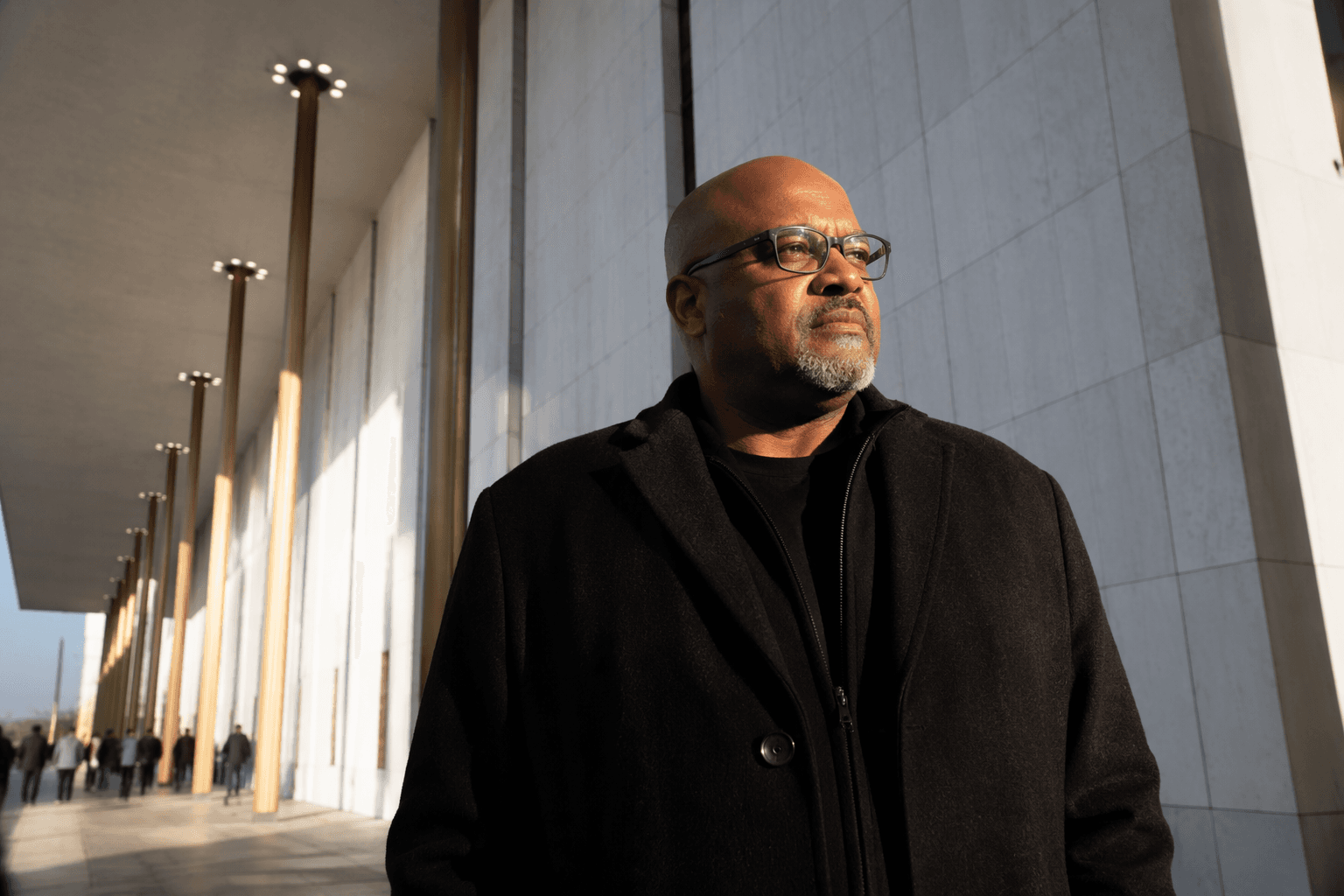
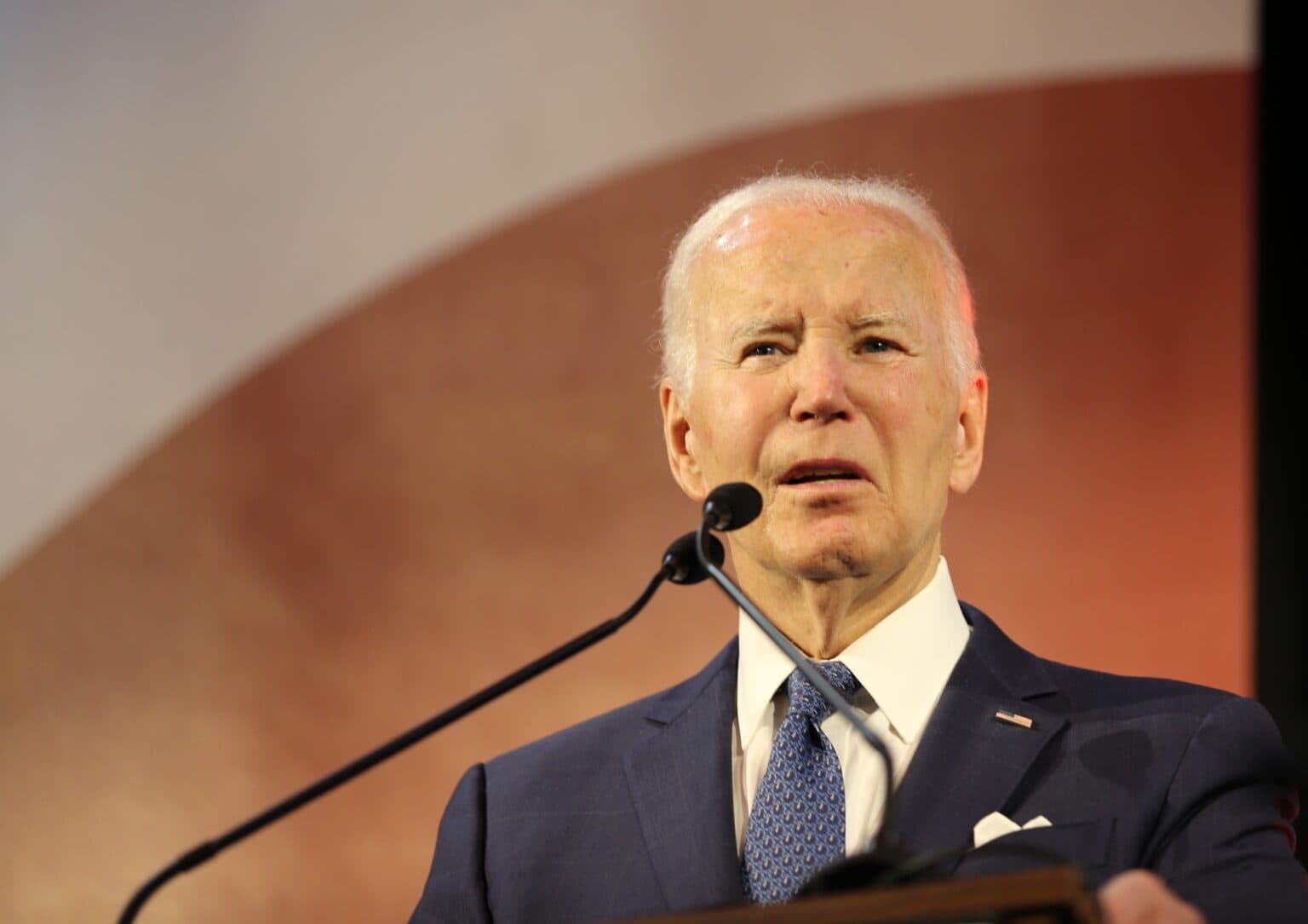
Krishnan to leave White House, launches new AI policy institute
Krishnan is leaving the White House at month’s end, then moving outside government in a way that could keep him close to Trump’s AI rules.

Sriram Krishnan is leaving his White House post at the end of June, and the next step appears designed to keep him in the center of Washington’s fight over artificial intelligence. The White House AI policy adviser said the job had been “the privilege of a lifetime,” while also signaling that his work on the administration’s AI agenda is not necessarily over.
Krishnan has been one of the key figures in the Trump administration’s push to build a national framework for regulating AI at a time when federal officials have increasingly treated the technology as both an economic prize and a security risk. The White House’s AI Action Plan, released on July 23, 2025, laid out more than 90 federal policy actions across three pillars: Accelerating Innovation, Building American AI Infrastructure, and Leading in International Diplomacy and Security. It called for policies to export American AI packages abroad, speed permitting for data centers and semiconductor fabs, and revise federal procurement rules so frontier model developers are favored for being objective and free from top-down ideological bias.
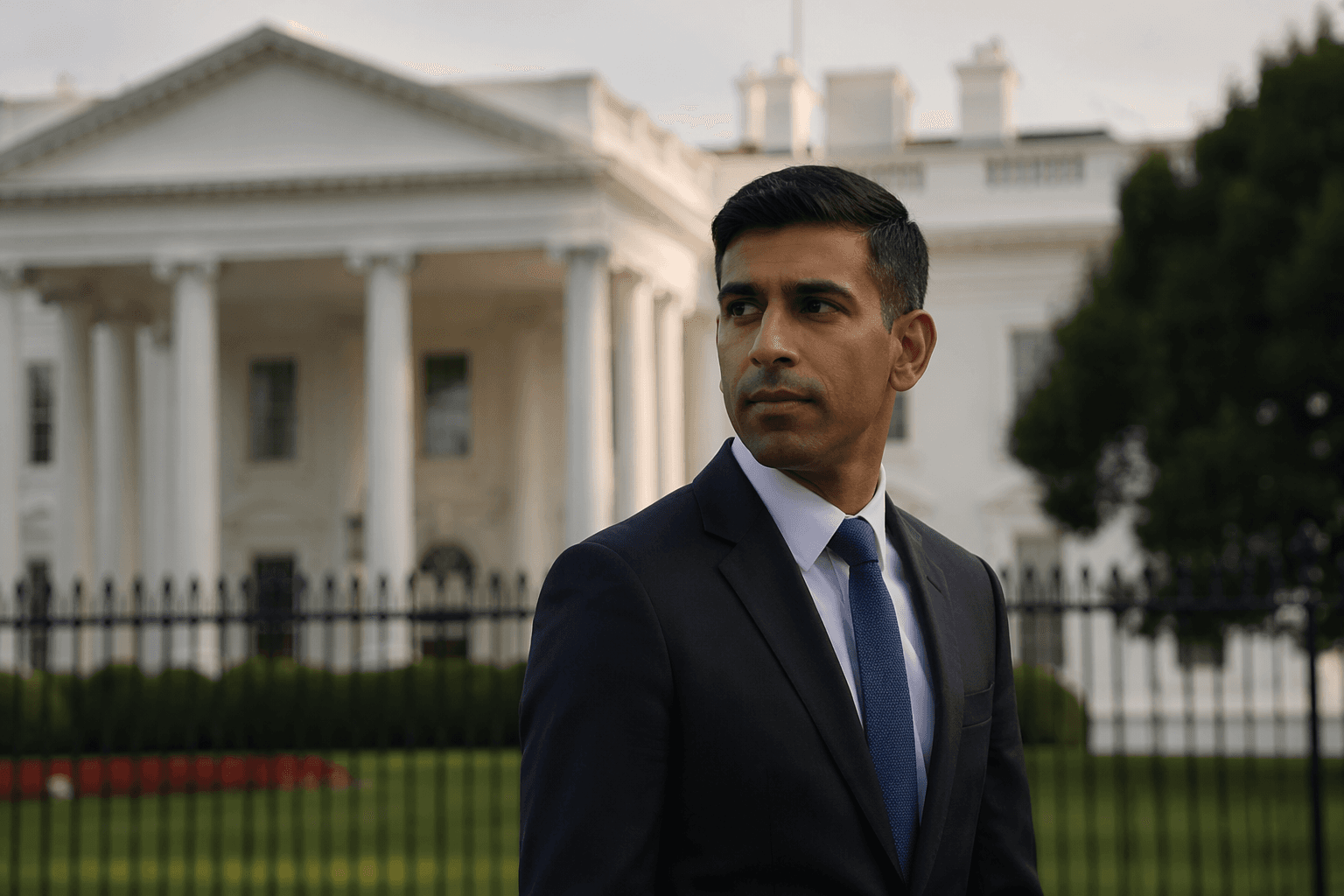
That framework followed Trump’s January 23, 2025 executive order directing senior officials, including the Special Advisor for AI and Crypto, to develop an action plan within 180 days. In December, the White House went further, signing an executive order aimed at creating a national AI policy framework and preempting a patchwork of state AI laws. The White House said state legislatures had introduced more than 1,000 AI bills, underscoring how quickly the regulatory battleground had spread beyond Washington.
The December order also reflected a broader federal push to consolidate oversight. Reuters reported that federal agencies were instructed to ask leading AI developers to voluntarily submit their most capable models for government cybersecurity testing before public release. CNBC reported that the effort to curb state-level AI regulation was already something the tech industry had been lobbying for, a sign that the administration’s rulemaking has become a target of intense industry pressure as well as public concern.
Krishnan’s departure now raises a sharper institutional question than a routine personnel change. If he is launching a new outside institution to shape technology policy, he could remain close to the same regulatory machinery he helped build inside government, even after he formally leaves the White House. In Washington, where AI policy is being written in real time, that kind of move can blur the line between public service and private influence.
This article was produced by Prism’s automated news system from verified source data, official records, and press releases, then run through automated quality and moderation checks before publishing. The system is built and supervised by the people who set the standards it runs under. Read our full AI policy.
Know something we missed? Have a correction or additional information?
Submit a Tip