Kroenke says empty stadiums gave Arteta space to revive Arsenal
Empty stadiums stripped away fan pressure and gave Mikel Arteta room to rebuild Arsenal as the club moved from protests to a 2026 title.
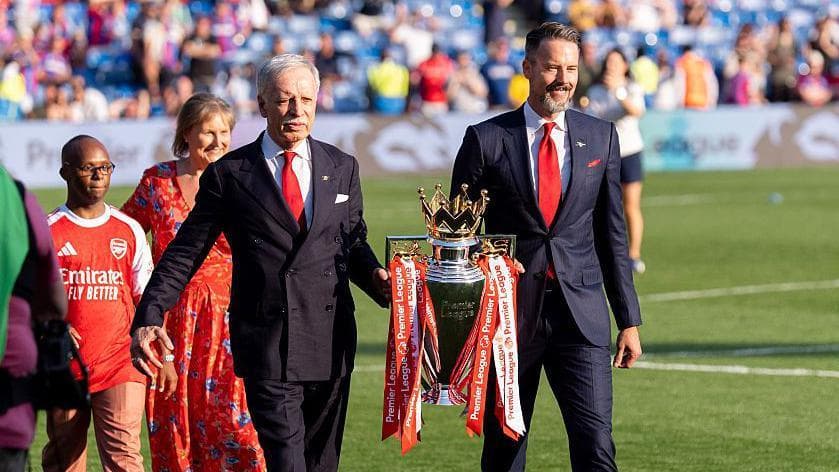
Josh Kroenke’s point is that Arsenal’s revival was not built only on money or recruitment, but on time and silence. During the pandemic, when matches were played behind closed doors, Mikel Arteta had a rare stretch in which mistakes were less visible, mood swings around Emirates Stadium were muted and a long rebuild could take shape away from the weekly noise that often accelerates crisis at elite clubs.
The turning point came fast after Arteta arrived in December 2019. On 12 March 2020, Arsenal closed the London Colney training centre after Arteta tested positive for COVID-19, and the club said a significant number of first-team players and staff would self-isolate while the site was deep-cleaned. The Premier League then halted the season, and when it announced on 28 May 2020 that play would resume on 17 June, every match would be behind closed doors under strict medical protocols and testing. Arsenal’s first game back was away to Manchester City on 17 June.
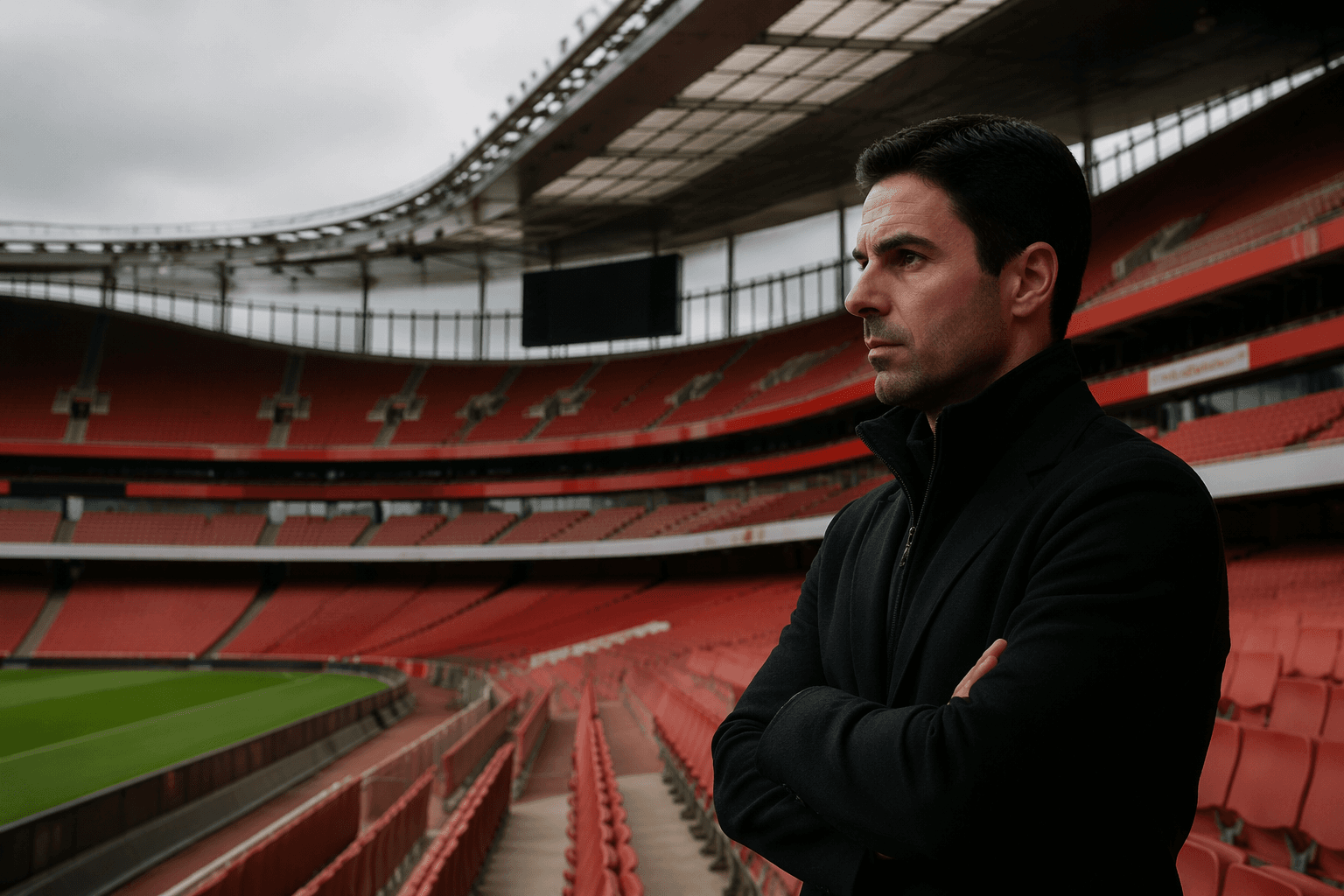
That sequence matters because it gave the club’s new manager unusual cover for difficult decisions. KSE had taken full control of Arsenal in 2018, and by the time Arteta was appointed there was already a sense that the club needed a reset. Empty stands, no home pressure and no immediate crowd reaction reduced the cost of stubborn rebuilding choices, from reshaping the squad to insisting on a longer road back to competitiveness. Kroenke has since framed the recovery in terms of patience, alignment and long-term planning, a significant shift for a club that only a few years earlier was regularly cast as drifting.
The pandemic did not create Arsenal’s transformation, but it appears to have made it easier to sustain. In normal seasons, a club in decline has to answer to supporters after every poor result, every tactical misfire and every painful run of form. Arsenal’s owners were spared some of that heat during the closed-door months, even as fan anger at the Kroenke family was already building elsewhere. That breathing room allowed Arteta to keep working through the roughest stage of the rebuild while the broader football economy was also distorted by lockdowns, restricted revenues and an unfamiliar competitive landscape.
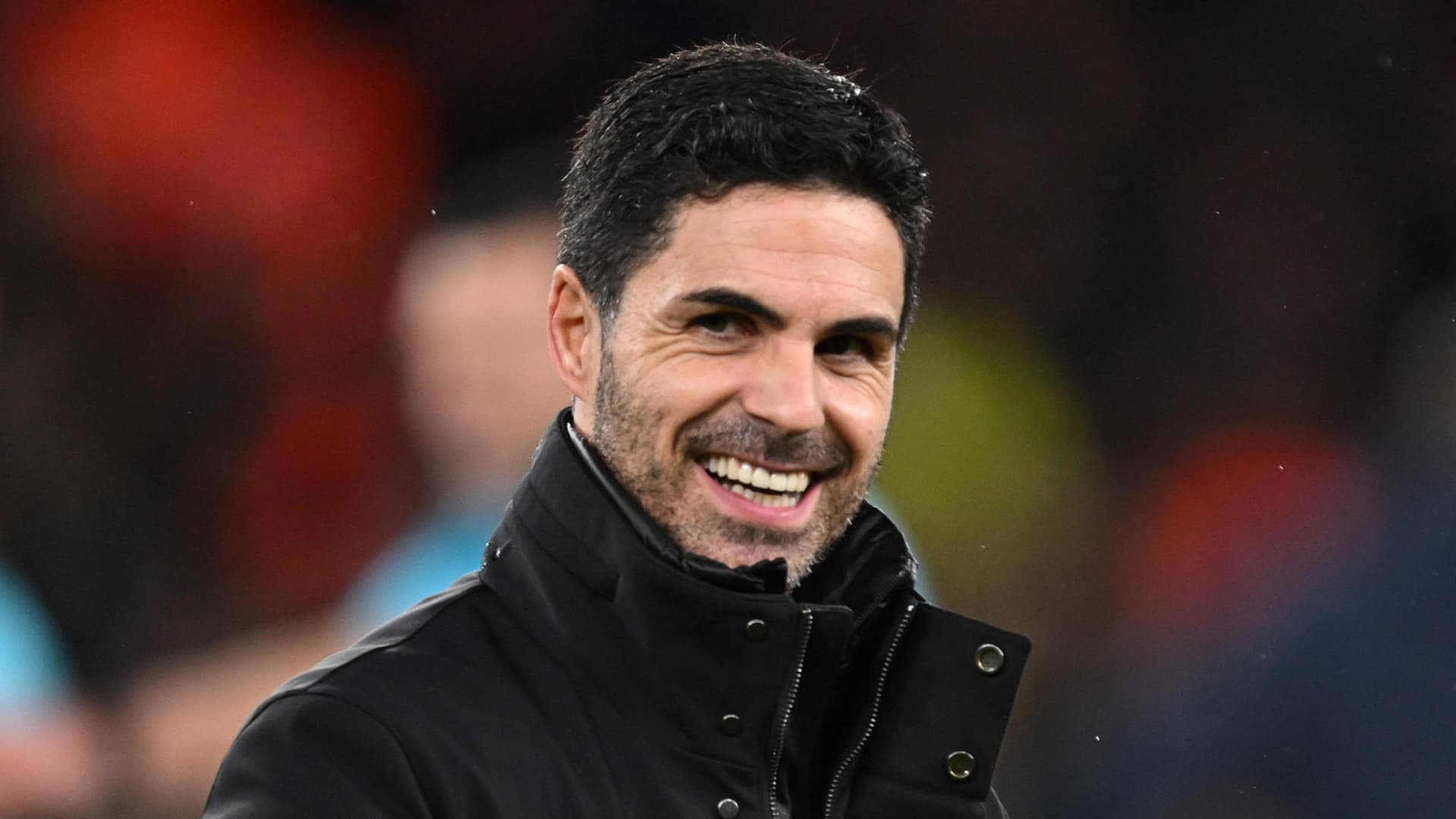
The final verdict arrived in 2026, when Arsenal ended a 22-year wait for the Premier League title. That trophy gave Kroenke’s comment extra force. What once looked like a fragile bet on patience now reads as a successful long-game strategy, one that turned a club in crisis into one talking not just about recovery, but about a dynasty.
This article was produced by Prism’s automated news system from verified source data, official records, and press releases, then run through automated quality and moderation checks before publishing. The system is built and supervised by the people who set the standards it runs under. Read our full AI policy.
Did this article answer your question?