Kurds Lit Newroz Fires Across Turkey Amid Fragile Peace Hopes
Kurds celebrated Newroz on the most politically charged spring in years, as peace talks in Turkey contrast with deepening fear among Kurds in Syria and Iran.
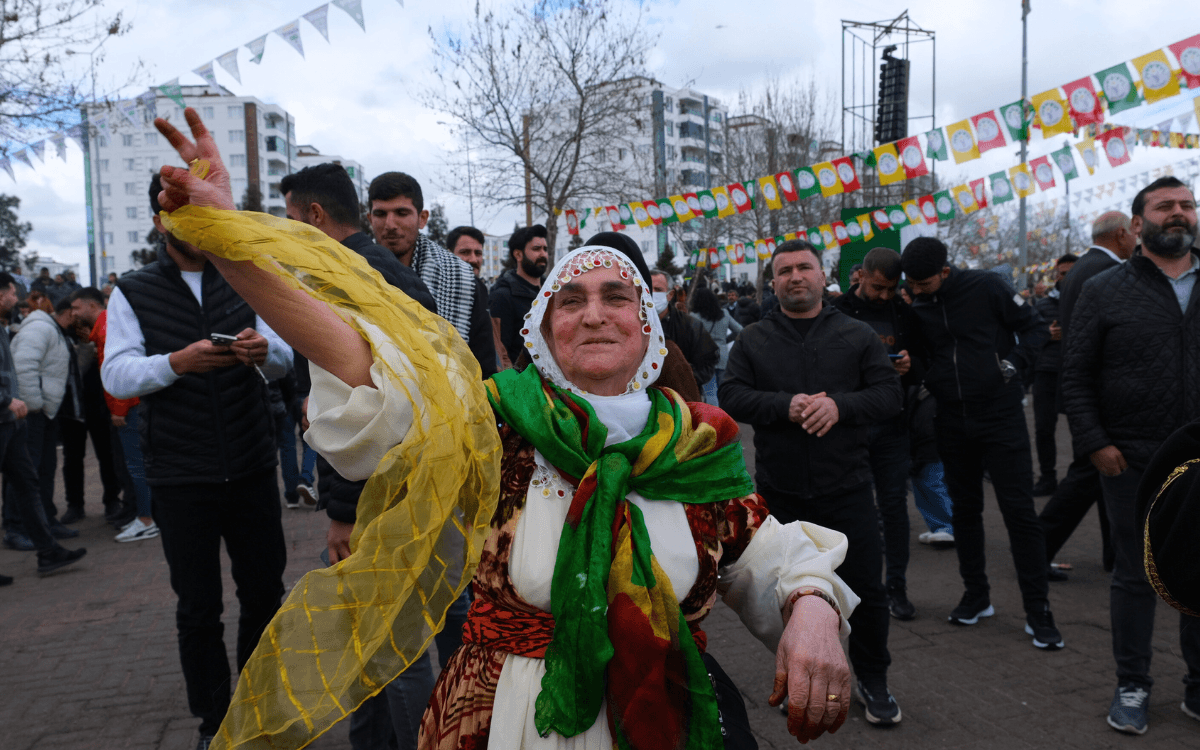
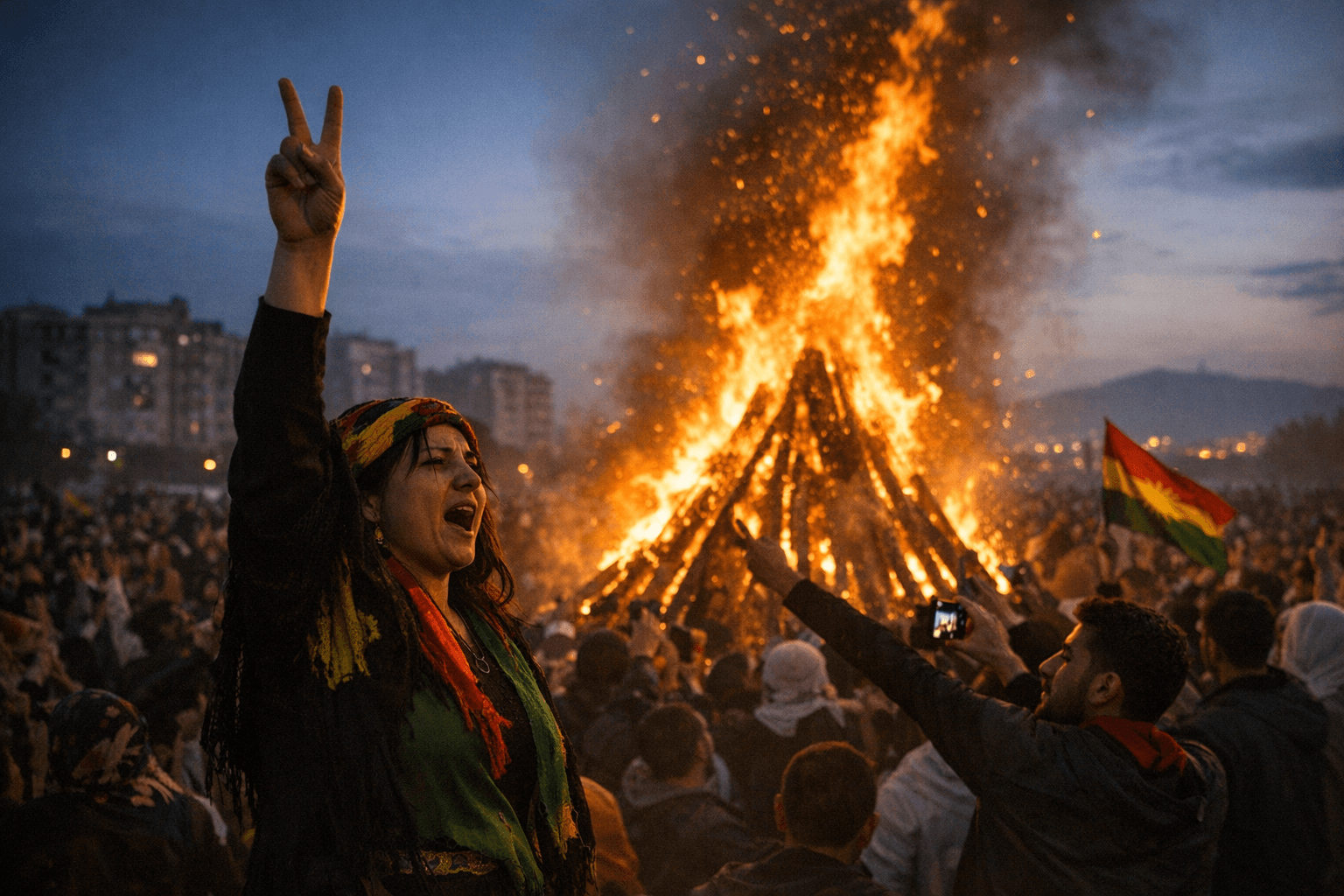
Flames climbed into the night sky across southeastern Turkey on Saturday as millions of Kurds marked Newroz, the ancient Persian new year that doubles as the most politically charged holiday in the Kurdish calendar. This year's celebration carried unusual weight: a nascent peace process between the Turkish state and Kurdish political leaders has stoked hope that decades of armed conflict may finally be approaching an end.
In cities like Diyarbakır, Urfa and Van, crowds dressed in the vivid reds, yellows and greens of traditional Kurdish costume gathered around bonfires, singing folk songs and performing the halay, a line dance that has survived wars, curfews and mass displacement. The fire itself is ancient symbolism, representing the defeat of a tyrannical king and the liberation of a people, a myth that resonates with particular force in 2026.
The timing of this Newroz is difficult to overstate. Ongoing, if cautious, dialogue between Ankara and Kurdish political figures has raised the prospect of a negotiated settlement to a conflict that has claimed more than 40,000 lives since 1984. Pro-Kurdish politicians and civic leaders used the holiday as a platform to press the government for concrete steps, calling for the release of political prisoners and constitutional recognition of Kurdish cultural rights as preconditions for durable peace.
Yet even as Kurds in Turkey allowed themselves a rare moment of cautious optimism, the broader Kurdish world presented a far grimmer picture. In northeastern Syria, Kurdish-led forces have faced renewed pressure following the political upheaval that followed the collapse of the Assad government, with armed factions and regional powers competing for influence in territory that Kurds had governed with substantial autonomy. The uncertainty has deepened fear of further conflict among a population that had built functional institutions only to see them threatened by shifting alliances.
In Iran, where Kurds make up roughly 10 percent of the population, Newroz gatherings proceeded under security restrictions that have intensified since the crackdown on the 2022 protest movement. Kurdish activists and cultural organizations there reported harassment and arrests in the days before the holiday, a pattern that advocates say is worsening.
The divergence in Kurdish fortunes across borders illustrates just how much the political geography of the Middle East shapes the experience of a people with no state of their own. Roughly 30 to 35 million Kurds are spread across Turkey, Syria, Iraq and Iran, making them one of the largest ethnic groups in the world without a sovereign homeland.
In Turkey, the peace process remains fragile and contested. Nationalist opposition politicians have attacked any accommodation with Kurdish political movements, and the government has provided few concrete details about the scope or timeline of negotiations. History offers little comfort: a previous peace effort collapsed spectacularly in 2015, triggering some of the most intense urban fighting in the conflict's history.
Still, the bonfires burned. For one night at least, the songs drowned out the uncertainty, and spring arrived with the insistence it always does, indifferent to the politics of the season.
Know something we missed? Have a correction or additional information?
Submit a Tip

