Kyiv fashion embraces military style as a symbol of wartime solidarity
Olive jackets and camouflage have become Kyiv’s civic uniform, turning military style into a visible sign of wartime solidarity and national identity.
Military style as civic language
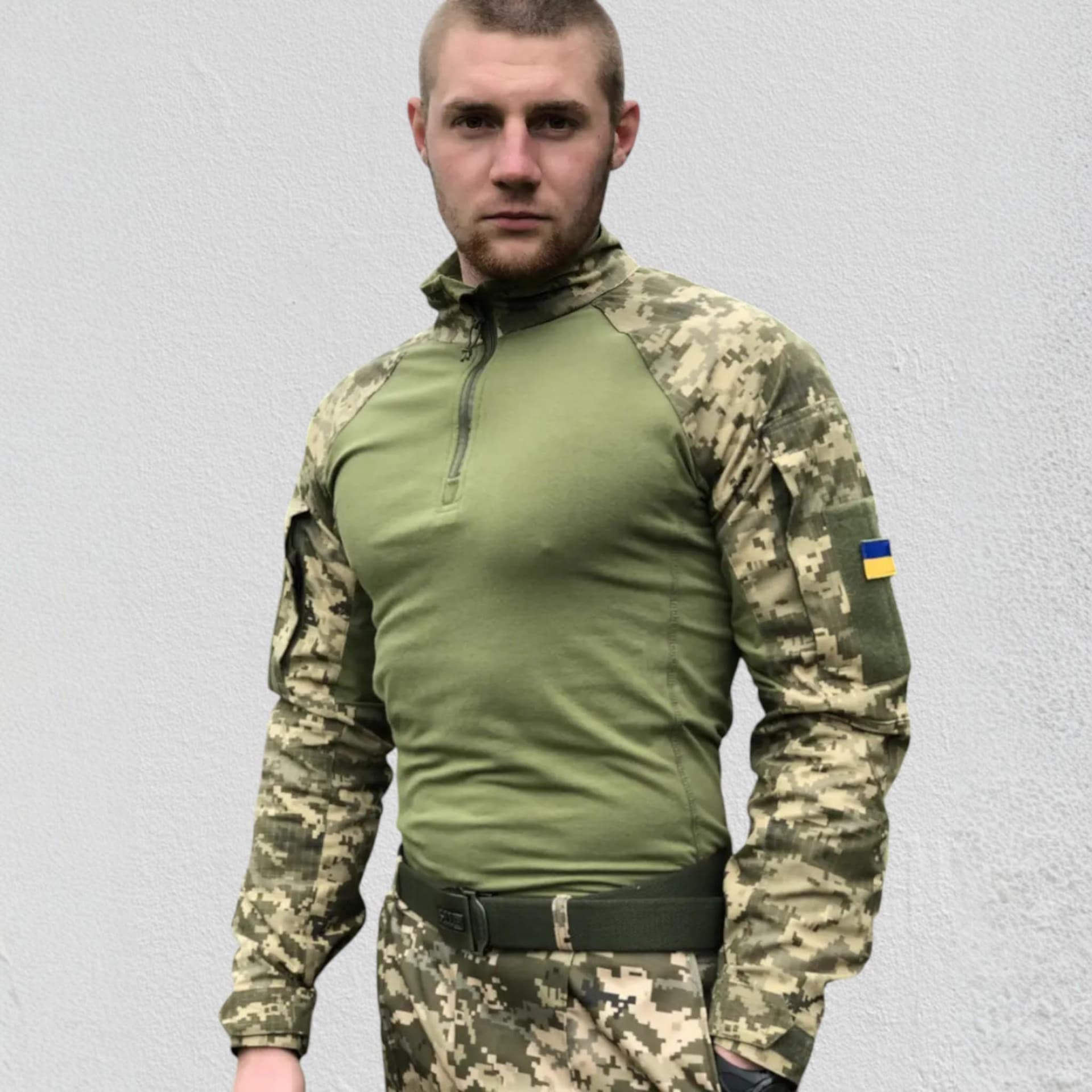
Olive jackets, khaki trousers, cargo pockets, and camouflage prints have become part of Kyiv’s everyday uniform. In a city living under the pressure of war, soldiers and civilians alike treat military-inspired clothing less as a fad than as a visible sign of solidarity, identity, and endurance.
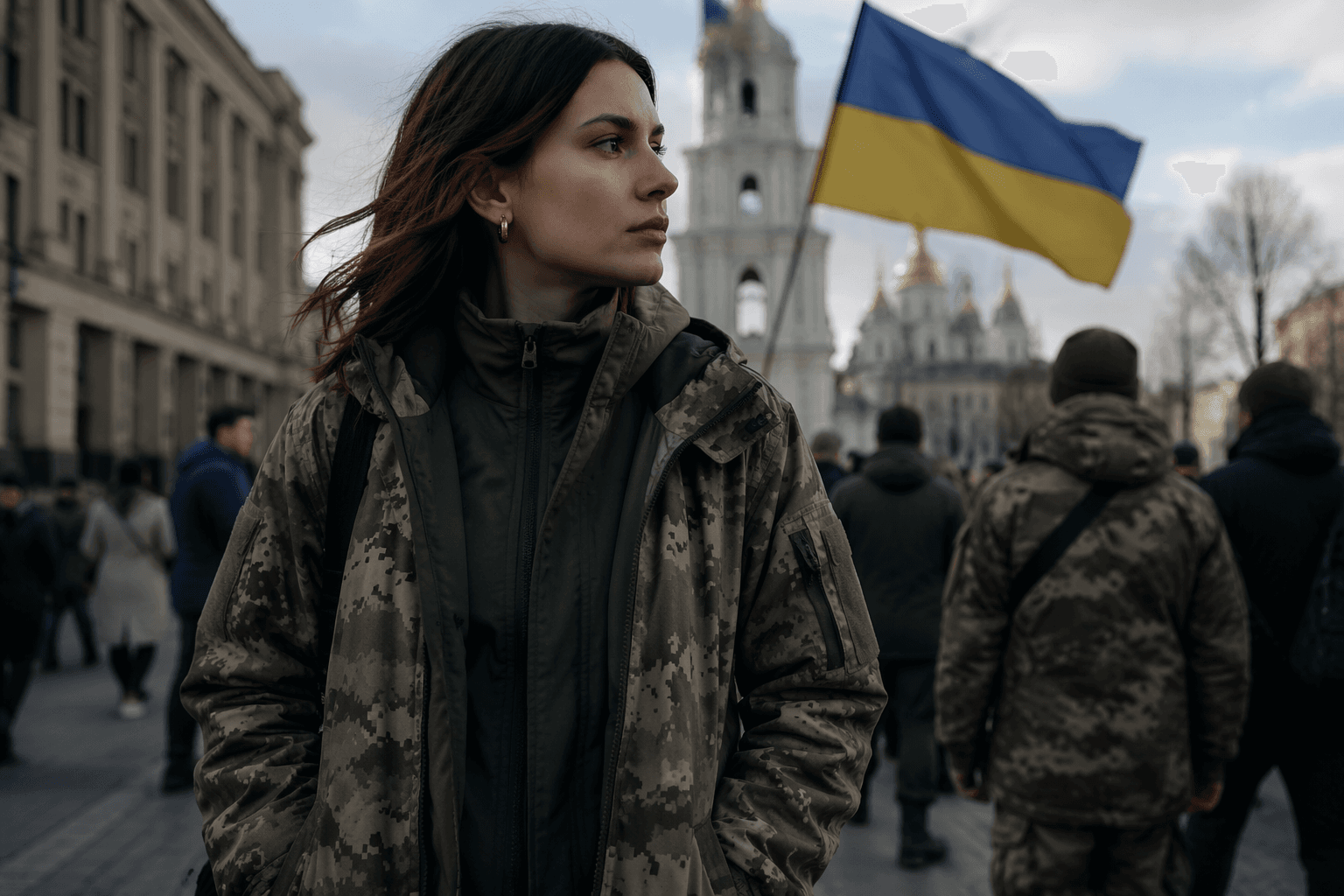
That shift sharpened after Russia’s full-scale invasion began on February 24, 2022. As the war widened into every part of public life, clothes stopped functioning only as fashion choices and started carrying political meaning, social alignment, and a plainspoken statement of belonging.
How wartime changed what people wear
In Kyiv, military cues now appear across the streets in ways that would have felt unusual before the invasion. Civilians have increasingly adopted khaki, camouflage, cargo pants, and other combat-adjacent looks as a visual signal of support for the country and its defenders. The point is not mimicry; it is affiliation.
Ukrainian President Volodymyr Zelenskyy helped define that shift early in the war when he replaced suits with olive and khaki clothing. His wartime wardrobe became a public example of how dress could communicate resolve without ceremony, and it helped normalize the idea that statehood, service, and national identity could be expressed through what people wear.
A Reuters report in 2025 described the military-inspired look in Kyiv as widely visible and framed by locals as solidarity rather than novelty. That distinction matters. In a capital shaped by checkpoints, air alerts, and military mobilization, the clothing is not detached from events around it; it is folded into them.
Style as resistance, not trend
Designers and stylists in Ukraine describe a deeper transformation than a seasonal trend cycle. After February 24, style became about stance and identity, and military style came to function as a symbol of resistance, according to stylist Halyna Denysiuk. Her point captures the broader mood in wartime Kyiv: fashion has been pushed away from pure decoration and toward declaration.
Denysiuk also linked that shift to national dress, saying that vyshyvanka became armor and military style turned into a symbol of resistance. The language is revealing because it shows how Ukrainian fashion now carries both cultural memory and wartime urgency. Traditional embroidery, tactical fabrics, and military silhouettes all participate in the same public conversation about who Ukrainians are under attack.
That sense of identity has also entered the market. Wartime stores and labels have sold military-themed items, including T-shirts and camouflage looks, meeting demand from consumers who want clothing that reflects the present moment. The result is a clothing culture that is practical, expressive, and unmistakably tied to the realities of war.
Ukrainian Fashion Week returns to Kyiv
The clearest institutional sign of that evolution came when Ukrainian Fashion Week returned to Kyiv for its 55th season from September 1 to 4, 2024. It was the first time the event was held in the capital since before the full-scale invasion, a return that gave the city’s fashion system a physical home again after years of disruption.
More than 50 Ukrainian brands participated in the Kyiv shows, underscoring both the scale of the domestic industry and its determination to reassert itself at home. The event’s return was not simply about scheduling a runway season in the capital. It was a public statement that Ukrainian fashion remains active, visible, and rooted in the country it represents.
One of the most striking images from that season was veterans with prosthetic limbs walking the runway. Their presence made the war impossible to separate from the fashion language around it. The runway did not sanitize conflict; it absorbed it, showing how wartime experience has changed the bodies, symbols, and stories that fashion presents to the public.
A fashion industry dispersed, then reassembled
Before returning to Kyiv, Ukrainian designers showed collections abroad through the Support Ukrainian Fashion Initiative. Those presentations took place in cities including London, Copenhagen, Los Angeles, Lisbon, and Berlin, extending Ukrainian fashion’s reach while the capital remained under the strain of war.
That international circuit served two purposes. It kept designers visible in global fashion markets, and it carried Ukrainian identity into spaces where the war might otherwise have felt distant. When the industry came back to Kyiv for the 55th season, it brought that wider recognition home with it.
Iryna Danylevska and the organizers around Ukrainian Fashion Week have helped keep the platform alive through those shifts, preserving a framework in which designers could continue to present work even as the war disrupted ordinary cultural life. The return to Kyiv showed that the institution was not only surviving but adapting to a new national reality.
What the trend reveals about daily life in wartime Kyiv
Military-inspired fashion in Kyiv should be understood as more than aesthetic preference. It functions as solidarity for those who wear it, utility for those living through unstable conditions, and quiet political expression in a city where public symbols are never neutral. The clothing reflects a society in which war has reshaped even the smallest acts of self-presentation.
That is why the sight of camouflage on civilian streets, olive jackets in public buildings, or cargo pants at a fashion event carries more weight than a passing style trend. It signals how deeply the war has entered daily life, from state leadership to shopping habits to the runway.
Kyiv’s fashion language now tells a single story in many forms: people are dressing to endure, to identify with one another, and to show that culture remains active under pressure. In that sense, military style has become one of the clearest civilian expressions of wartime solidarity in Ukraine.
This article was produced by Prism’s automated news system from verified source data, official records, and press releases, then run through automated quality and moderation checks before publishing. The system is built and supervised by the people who set the standards it runs under. Read our full AI policy.
Did this article answer your question?