Kyle Busch family says severe pneumonia led to his death
Severe pneumonia turned into sepsis and took Kyle Busch at 41, just as NASCAR’s most enduring feud was still fueling the sport’s drama.
Kyle Busch’s death at 41 has put a hard stop to one of NASCAR’s most marketable story lines: the sport’s long habit of turning personal grudges into must-watch theater. Busch and Joey Logano carried a rivalry that stretched across two decades, peaked in a 2017 Las Vegas pit-road fight after last-lap contact sent Busch spinning, and kept simmering even after the anger eased enough for a looser kind of respect.
That feud mattered because NASCAR has always sold more than speed. It has sold personalities, grudges and the promise that the next restart might become a confrontation. Busch and Logano became one of the clearest examples of that formula, with Busch still taking public shots at Logano as recently as about a month before his death. The sport did not punish either driver after the 2017 altercation, a decision that left the rivalry intact and let the tension keep feeding the weekly conversation.
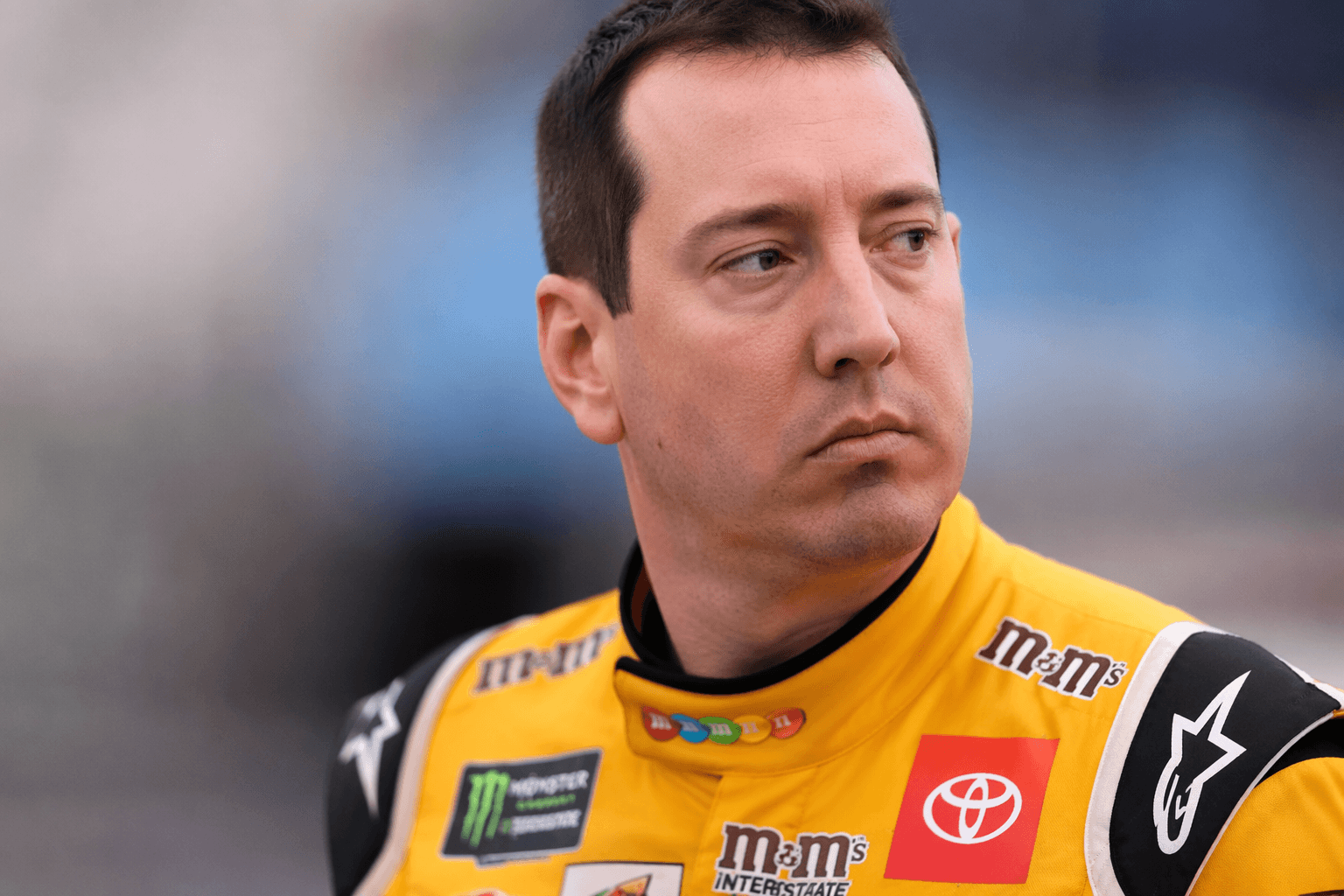
Busch died on Thursday, May 21, after a medical evaluation found that severe pneumonia had progressed into sepsis and triggered rapid, overwhelming complications. His family’s statement turned a racing headline into a medical one, underscoring how quickly a serious infection can escalate into a fatal emergency even for a top-tier athlete with access to elite care. Busch was a two-time NASCAR Cup Series champion, a winner of 234 national series races and a Las Vegas native whose name had become central to the sport’s modern identity.
The loss hit Charlotte Motor Speedway as NASCAR prepared for the 2026 Coca-Cola 600, which was scheduled for Sunday, May 24, at 6:00 PM ET at Charlotte Motor Speedway in Concord, North Carolina, a 400-lap, 600-mile race. NASCAR’s Charlotte coverage described a gray, rainy and somber scene, and Busch’s No. 8 sat atop the scoring pylon in tribute, a visual reminder that the garage was grieving a driver who had helped define its most combustible era.
Richard Childress Racing said it would retire the No. 8 for the remainder of the 2026 season in Busch’s honor, and the organization introduced the No. 33 Chevrolet driven by Austin Hill on Saturday morning at Charlotte. The reaction around the sport showed that Busch was bigger than the feud that helped sell him. Still, the feud also explained why his absence felt so large: NASCAR’s culture of conflict had relied on drivers like Busch to sharpen the drama, and his death closed one of the last loud chapters of that old formula.
This article was produced by Prism’s automated news system from verified source data, official records, and press releases, then run through automated quality and moderation checks before publishing. The system is built and supervised by the people who set the standards it runs under. Read our full AI policy.
Did this article answer your question?