Labor Department signals move to revisit independent-contractor rules
The Labor Department submitted a rulemaking on worker classification to OIRA, signaling a possible revision of the 2024 independent-contractor rule. Restaurants could see changes to pay, benefits, taxes.
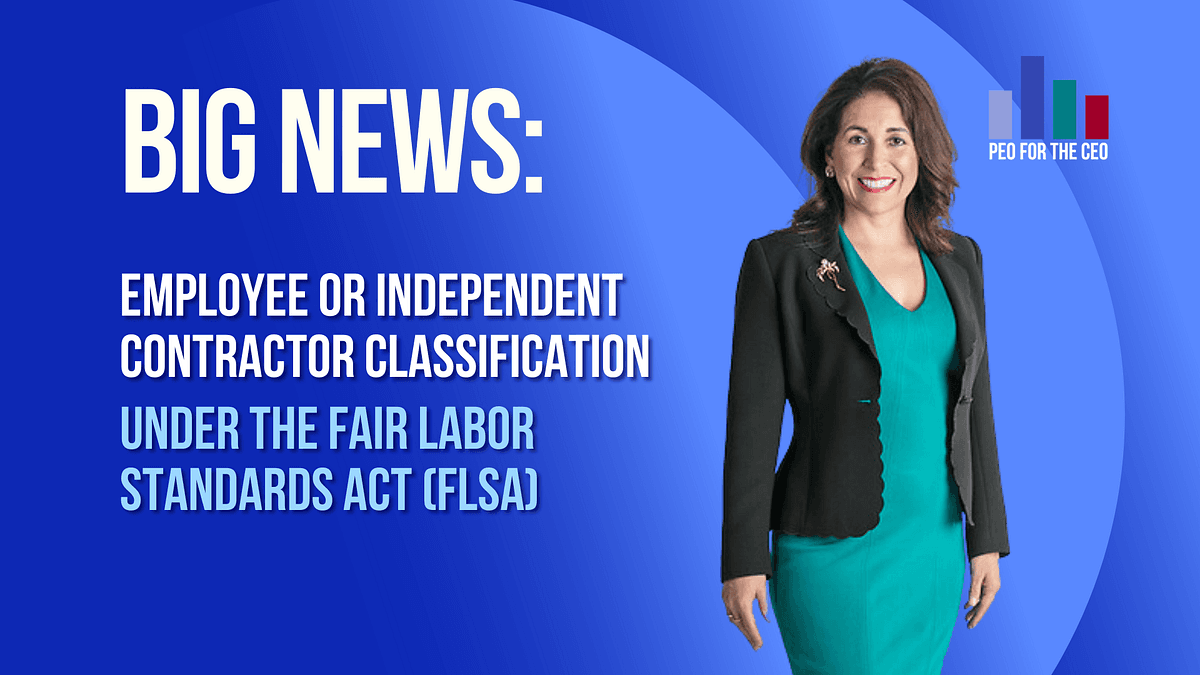
Federal regulatory filings in early January show the U.S. Department of Labor moved a rulemaking on employee classification into interagency review, a development that could reshape how restaurants classify delivery drivers, contract kitchen vendors and other gig workers.
On Jan. 7, 2026 the Office of Information and Regulatory Affairs received a Department of Labor submission titled "Employee or Independent Contractor Status Under the Fair Labor Standards Act, Family and Medical Leave Act, and Migrant and Seasonal Agricultural Worker Protection Act." The submission appears to reflect agency consideration of rescinding or revising the 2024 independent-contractor rule and signals a potential new or revised rulemaking affecting multiple federal statutes.
This stage of review occurs before publication in the Federal Register and any formal notice-and-comment period. The timeline is likely to be influenced by pending litigation and the history of prior rulemakings, meaning the process could stretch for months and face legal challenges that affect timing and final content.
For restaurants, the stakes are immediate. Classification policy determines whether a worker is eligible for minimum wage and overtime protections, family leave coverage, payroll tax withholding, employer contributions to Social Security and Medicare, and workers' compensation. A revised standard that narrows the independent-contractor category could push more delivery couriers, third-party kitchen vendors and other contingent workers into employee status. That would increase labor costs for operators who rely on gig platforms, contract staffing and variable vendor arrangements.

The ripple effects would be felt across front-of-house and back-of-house operations. Employers might need to reorganize scheduling, payroll systems and benefits administration, renegotiate vendor contracts, and reassess tip-pooling and overtime practices. Some restaurants could absorb higher costs, while others may shift business models—raising menu prices, rethinking delivery partnerships, or further automating certain tasks. Workers classified as employees would gain access to wage protections and benefits but could also see platforms alter access, hours or pay structures in response.
Owners and managers should monitor the Federal Register for a formal notice and prepare for potential operational audits and budgeting changes. Payroll and HR teams will need closer coordination with legal counsel to evaluate classification tests and plan contingency strategies.
The takeaway? Keep your time and pay records tidy, ask employers how classification decisions are made, and watch for a formal rule proposal. If you work in delivery or contract kitchens, this could change whether you clock in as an employee or stay in the gig lane. Our two cents? Be ready for change—whether that means better protections or a scramble to adapt the way your restaurant runs.
Sources:
Know something we missed? Have a correction or additional information?
Submit a Tip

.png%3Fwidth%3D1280%26auto%3Dwebp%26quality%3D80%26disable%3Dupscale&w=1920&q=75)