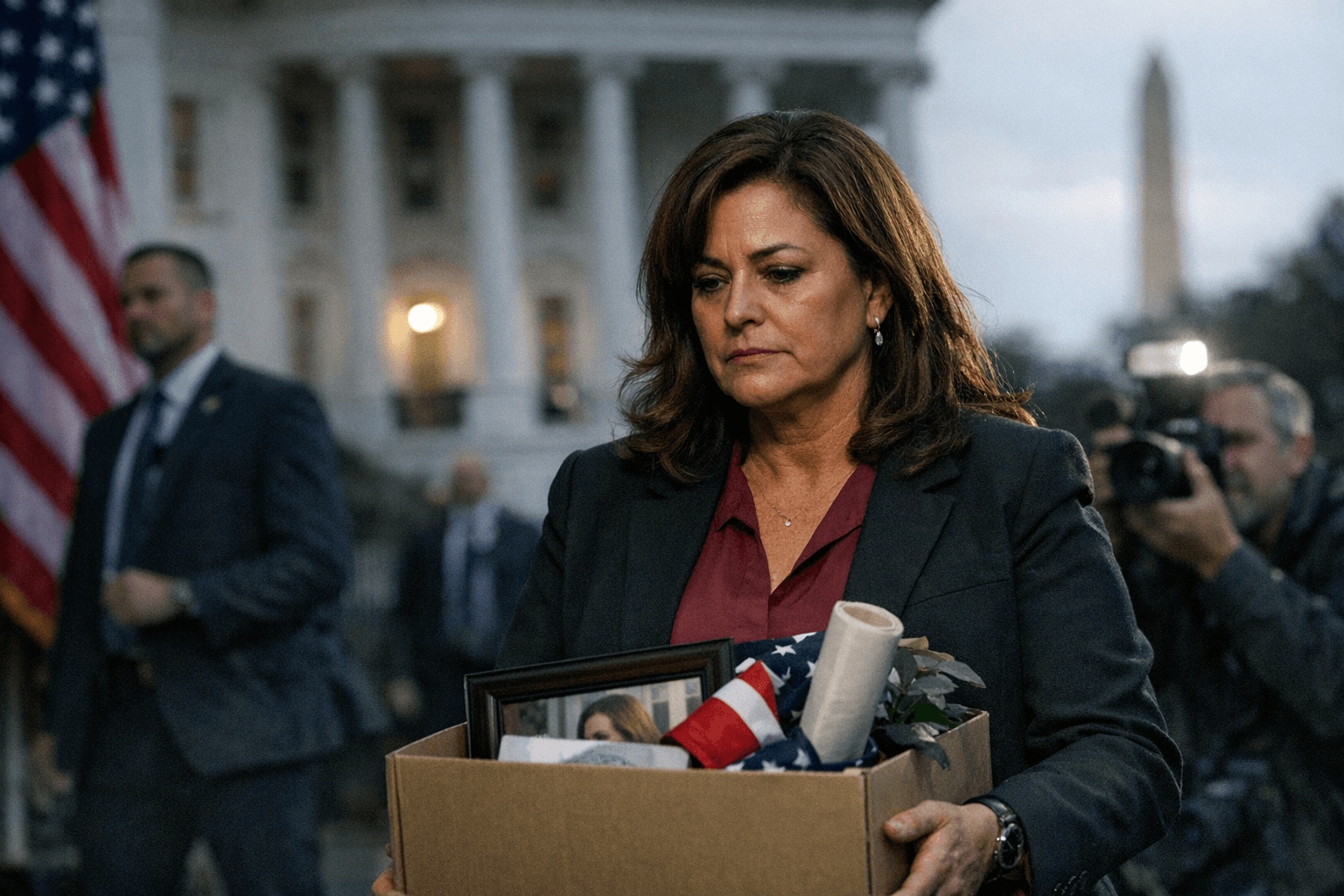
Labor Secretary Lori Chavez-DeRemer to Exit, Deputy Keith Sonderling Takes Over
Lori Chavez-DeRemer is leaving Labor for the private sector, handing the department to Keith Sonderling as a 50-state work tour and policy rollout were still underway.
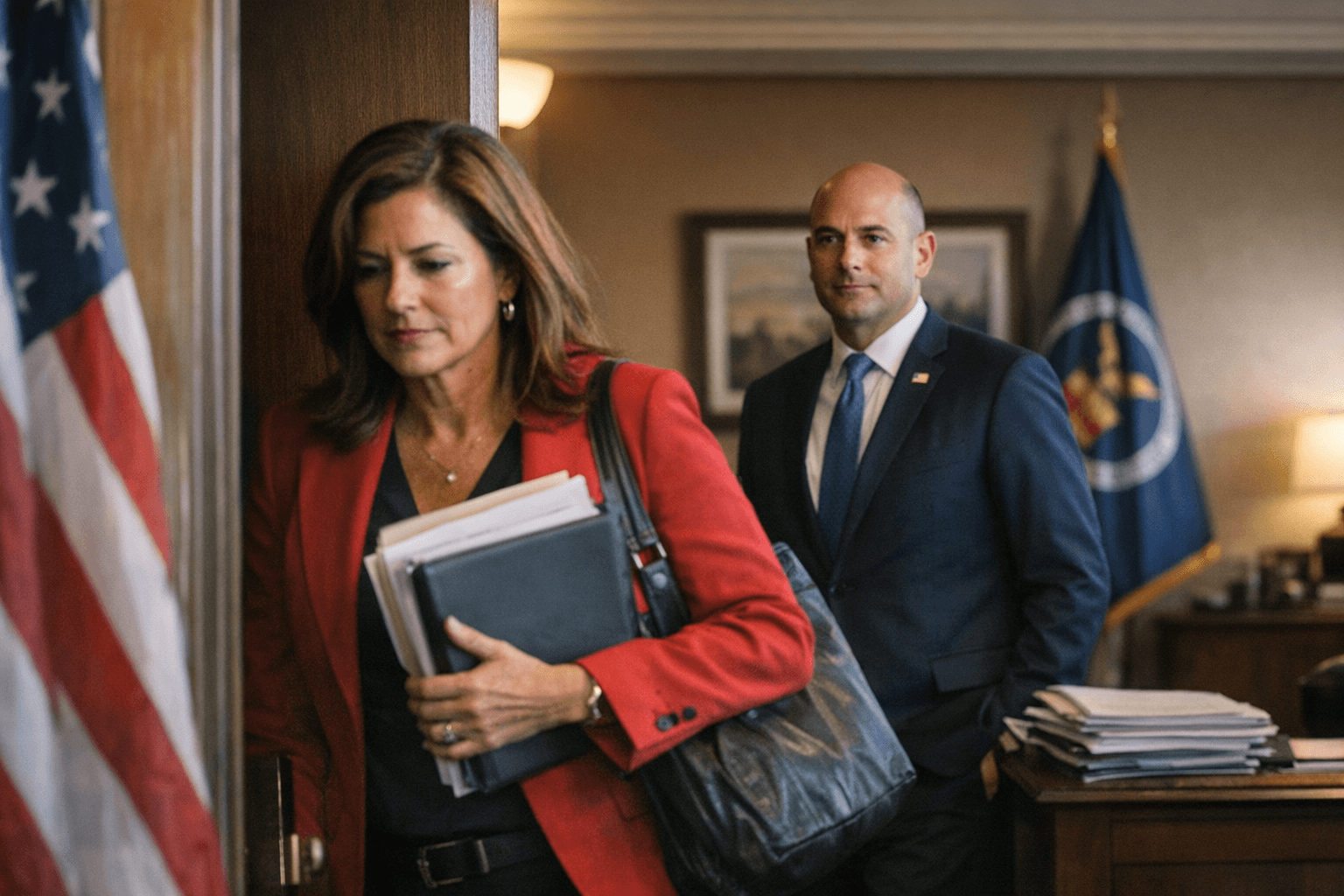
Lori Chavez-DeRemer’s exit removes a labor chief who was confirmed with unusual bipartisan support and replaces her with the department’s second-highest-ranking official at a moment when enforcement and workplace policy are still in motion. The White House said Chavez-DeRemer will leave the administration for a private-sector job, and Deputy Secretary of Labor Keith Sonderling will become acting labor secretary.
The change gives Sonderling immediate control of a department with an estimated $14 billion budget and about 16,000 employees. It also underscores a broader turnover inside the Trump administration: Chavez-DeRemer is the third Cabinet secretary to depart in recent months, a pace that can unsettle agency planning even when the transition is being presented as orderly.
Chavez-DeRemer was sworn in on March 11, 2025, as the 30th U.S. secretary of labor after the Senate confirmed her by a 67-32 vote. Trump nominated her on January 20, 2025, and the Senate Health, Education, Labor and Pensions Committee advanced her nomination on February 27, 2025, by 14-9. That path reflected enough cross-party support to make her one of the administration’s more bridgeable Cabinet picks, and her departure now raises fresh questions about how closely Labor will align with business interests, union priorities and workplace enforcement under acting leadership.
The timing is notable because Chavez-DeRemer had just completed a 50-state “America at Work” listening tour on March 11, 2026, according to the Labor Department. The department was still rolling out policy and program announcements in early April, suggesting that the handoff lands amid active decisions rather than a quiet period of wind-down. In practical terms, that matters: a new acting secretary can influence how aggressively the department pursues enforcement, how it frames union-related disputes and how quickly it moves on workplace regulations.
Sonderling already sits at the center of the department’s operations. The Labor Department says he serves as chief operating officer and oversees the agency’s budget and workforce, giving him the management footprint to keep programs moving while the White House decides whether to nominate a permanent successor. For employers, unions and federal contractors, the real issue is not just who occupies the office, but whether the next phase of Labor keeps Chavez-DeRemer’s line or shifts toward a different balance of enforcement and accommodation.
Know something we missed? Have a correction or additional information?
Submit a Tip