Labour suffers crushing local election losses as Reform surges nationwide
Reform UK won more than 1,000 council seats as Labour took historic losses in Wales and across England, Scotland and London.

Labour’s local-election rout exposed a government already under strain, with losses across England, Scotland and Wales that handed Reform UK more than 1,000 council seats and undercut Keir Starmer’s claim to a durable mandate after Labour’s 2024 landslide.
Starmer said he was “not going to walk away” and accepted full responsibility, conceding that Labour had made “some unnecessary mistakes” and had failed to offer hope after taking power. The message was aimed as much at his own party as at voters: after less than two years in office, Labour was being judged not on promises but on delivery, and the verdict was severe.
The scale of the setback was worst in Labour’s old heartlands, including London, central England, northern England and Wales. Reform UK, led by Nigel Farage, emerged as the clearest beneficiary, winning control of key councils and feeding a wider story of fragmentation in British politics. Conservatives also lost ground, while the Greens and nationalist parties in Scotland and Wales took advantage of the collapse in loyalty to the two main parties. The result was a sharper splintering of the electorate and fresh strain on a first-past-the-post system built for larger blocs.

Wales delivered the most dramatic warning. Labour won only nine seats in the Welsh Senedd, while Plaid Cymru became the largest party with 43. Eluned Morgan lost her seat, the first time a sitting Welsh leader has been defeated in an election for the Welsh Parliament. In England, Reform’s advance was equally consequential, including its takeover of Essex County Council, a signal that Farage’s party was no longer confined to protest politics in a handful of places.
The losses were significant enough to trigger a leadership reset. Starmer brought Gordon Brown into an envoy role on global finance and cooperation, with a remit tied to investment and relations with the European Union. Harriet Harman returned as an adviser on women and girls, focusing on misogyny and violence against women and girls. The moves suggested a government reaching back to Labour’s veteran generation as it tried to recover authority after what amounted to the worst losses of a governing party in municipal polls since 1995.
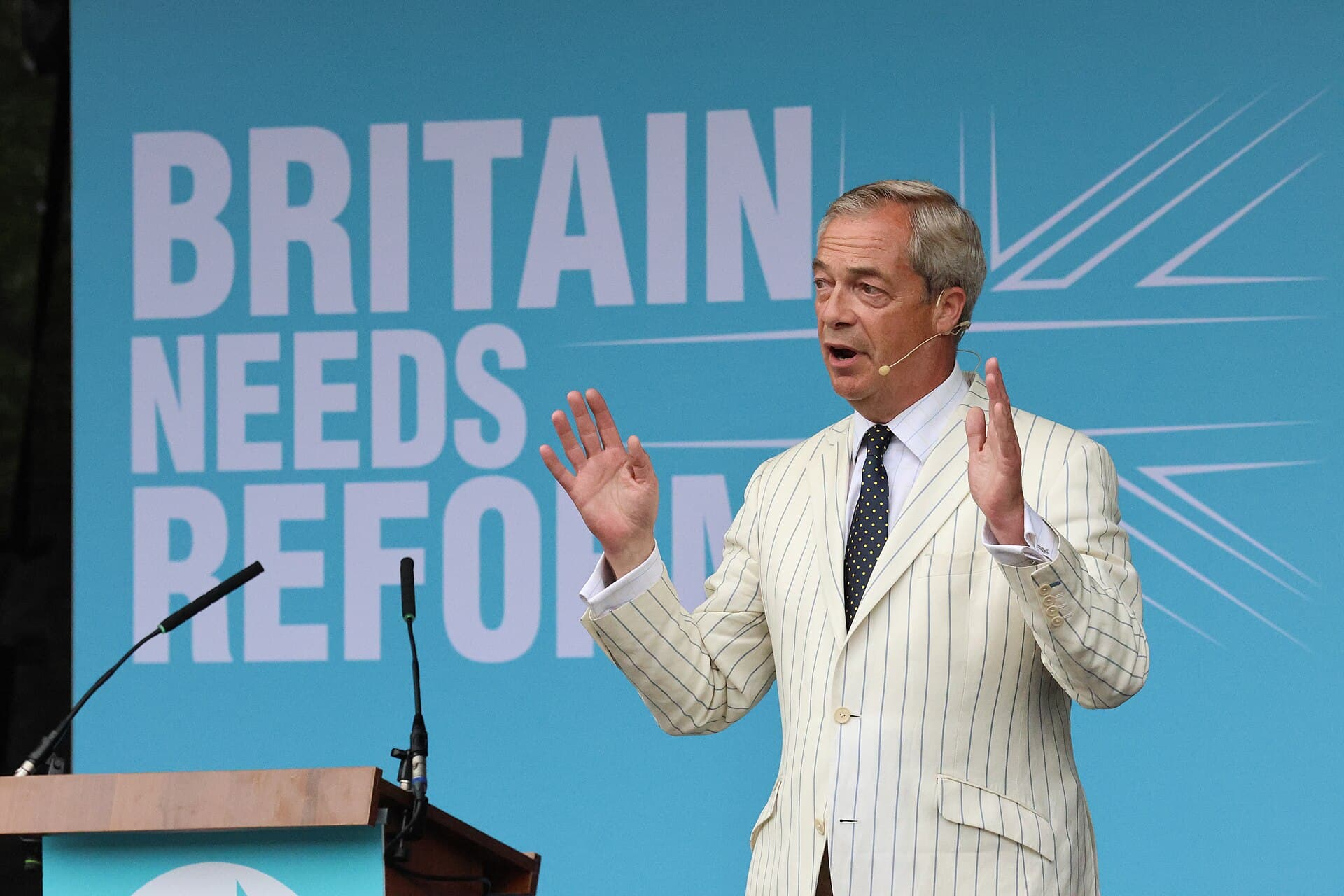
For Labour, the larger warning is political as much as electoral. A landslide national victory in 2024 did not protect the party from a rapid erosion of trust once voters concluded that the government had not yet delivered change. With the next general election due in 2029, the local results showed how quickly a governing mandate can weaken when frustration spreads across regions, institutions and party lines.
This article was produced by Prism’s automated news system from verified source data, official records, and press releases, then run through automated quality and moderation checks before publishing. The system is built and supervised by the people who set the standards it runs under. Read our full AI policy.
Did this article answer your question?

