Labubu doll clothes tested positive for banned Xinjiang cotton, NYT finds
Clothes for some Labubu dolls tested positive for Xinjiang cotton, putting a viral collectible inside the U.S. forced-labor ban. The stakes reach from Pop Mart's boom to customs screening.
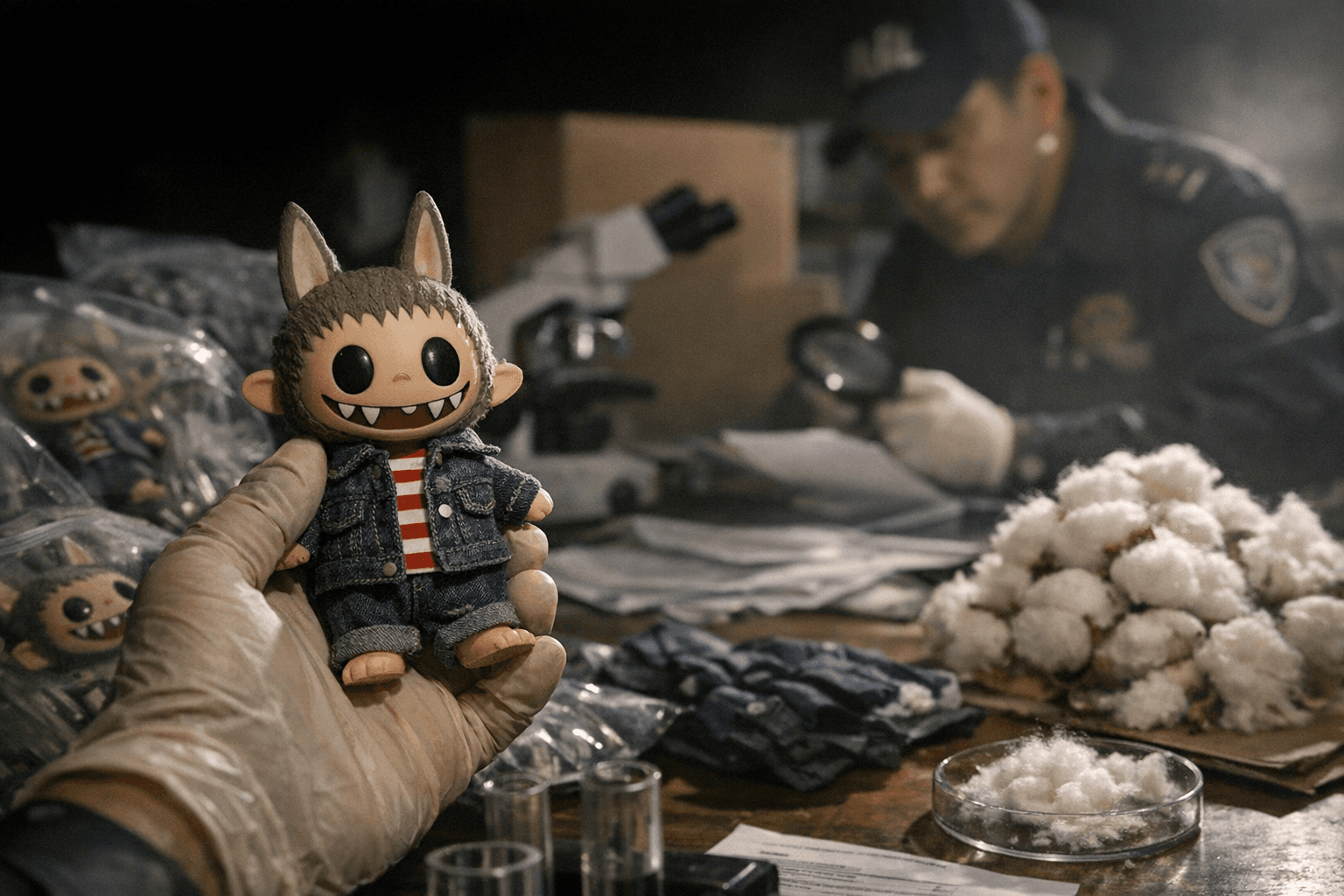
Clothes for some Labubu dolls tested positive for cotton from Xinjiang, the Chinese region whose goods are barred from U.S. entry under forced-labor rules. The finding turns a feverish collectible craze into a supply-chain enforcement test, with a toy accessory now tied to one of the most sensitive import restrictions in U.S. trade law.
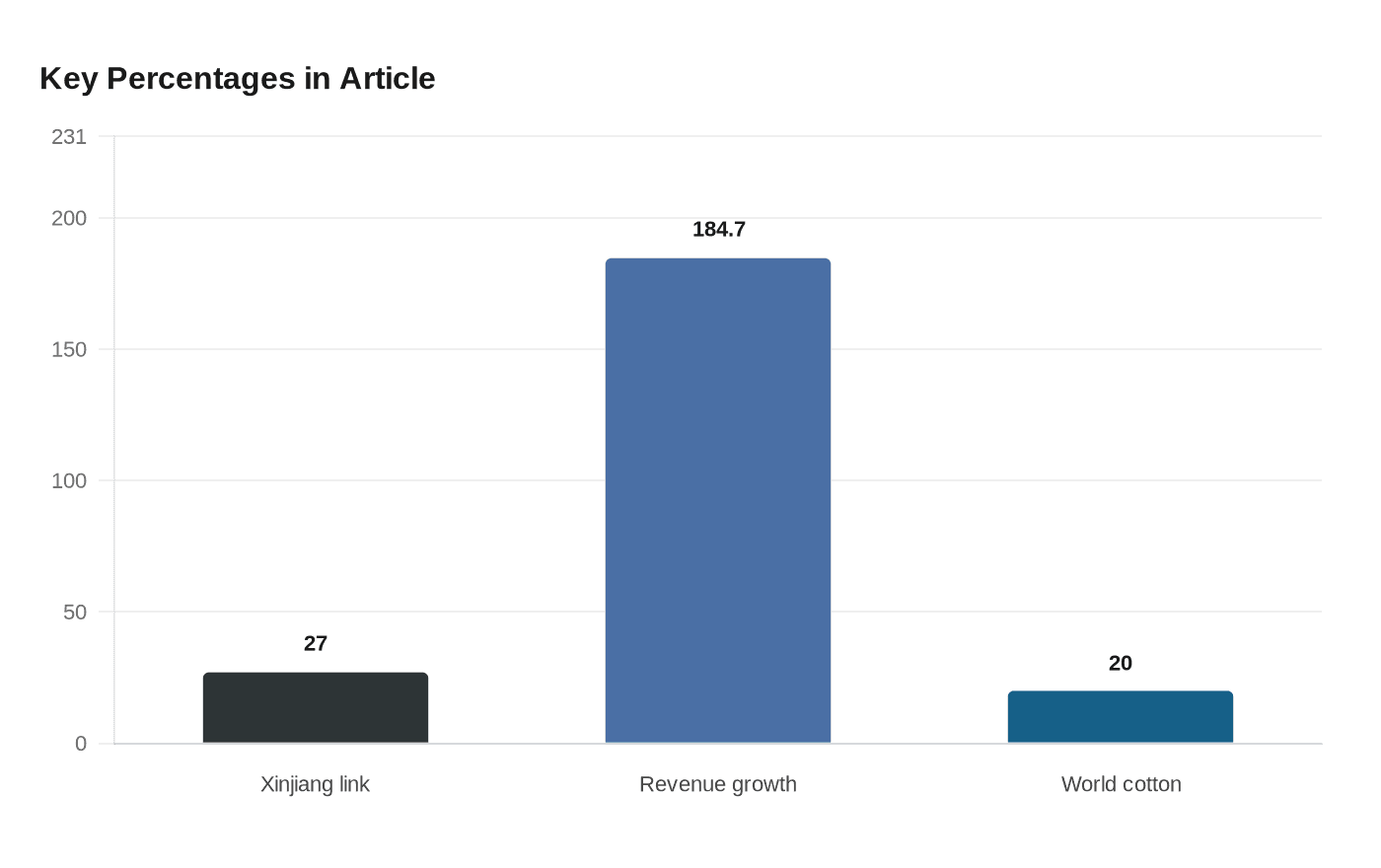
Labubu is the best-known character in Pop Mart International Group Limited’s THE MONSTERS line. Pop Mart says Kasing Lung created the characters in 2015 in picture books inspired by Nordic mythology, and the company has said Labubu is the most prominent figure in the series, a mischievous-looking character with a kind heart. The commercial scale is enormous: Pop Mart reported 2025 revenue of 37.12 billion yuan, or $5.38 billion, up 184.7% from 2024.
That growth matters because the legal backdrop is not symbolic. The Uyghur Forced Labor Prevention Act was signed on December 23, 2021, and implemented on June 21, 2022. U.S. Customs and Border Protection says the law creates a rebuttable presumption that goods made wholly or in part in Xinjiang, or by entities on the UFLPA Entity List, are made with forced labor and are prohibited from entering the United States. In practice, that means the burden falls on importers to prove a clean supply chain before goods clear the border.
CBP has also tried to make enforcement more transparent. In 2026, it updated its UFLPA enforcement dashboard to count individual import transactions rather than only broader shipments, a change that makes it easier to see how apparel is being held up or denied at the item level. That matters for products built from cotton, where a T-shirt, dress or pair of pants can each become a separate enforcement data point.
The Labubu result lands in a broader trade fight over cotton from Xinjiang. About a fifth of the world’s cotton originates in the region, according to The Bureau of Investigative Journalism, and a difficult traceability problem sits underneath the politics. In one sampling round, roughly 27% of tested shoes and garments showed links to Xinjiang cotton, underscoring how often banned fiber can surface in finished consumer goods.
For retailers and buyers, the lesson is blunt: a product can be small, viral and expensive, yet still expose a weak link in sourcing. Once cotton moves through ginning, spinning, dyeing and sewing, simple supplier statements are not enough. Customs authorities, brands and consumers are all being pushed toward harder proof, from mill records to fiber-level traceability, because the enforcement chain now reaches all the way from raw cotton to a doll’s clothes.
This article was produced by Prism’s automated news system from verified source data, official records, and press releases, then run through automated quality and moderation checks before publishing. The system is built and supervised by the people who set the standards it runs under. Read our full AI policy.
Did this article answer your question?

