LANL unveils faster nuclear forensics technique with laser mass spectrometer
Los Alamos National Laboratory developed a two-stage laser mass spectrometer method to speed nuclear forensics. The advance could sharpen attribution and support nonproliferation work important to local residents.
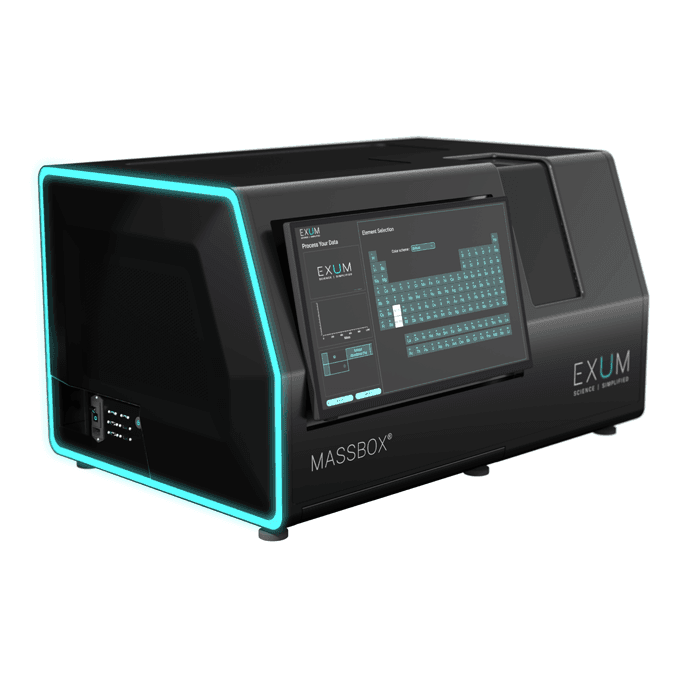
Los Alamos National Laboratory researchers reported a new analytical technique that uses a Laser Ablation Laser Ionization Time-of-Flight Mass Spectrometer (LALI-TOF MS) to rapidly characterize mock nuclear fuel pellets and detect elemental and isotopic fingerprints. The method employs a two-stage laser process - ablation to remove material and a second laser to ionize the plume - and is designed to analyze most elements quickly, potentially shortening forensic workflows used to identify the origin and composition of nuclear materials.
The development targets a core challenge in nuclear forensics: producing robust, timely signatures that link material to production routes or geographic provenance. By accelerating element-by-element and isotope-sensitive measurements across a broad range of elements, the LALI-TOF MS technique could make attribution faster, reducing the time between seizure or discovery of suspect material and actionable scientific conclusions. That matters for treaty enforcement, criminal investigations, and diplomatic responses where speed and confidence shape international outcomes.
For Los Alamos County the news ties directly to work happening on the Pajarito Plateau. The Lab’s continued investment in advanced instrumentation sustains the high-skill jobs and technical training that support the local economy, while reinforcing LANL’s role in national security and nonproliferation science. Improved forensic tools also factor into community conversations about transparency, safety, and responsible stewardship of sensitive capabilities; residents have long balanced pride in the Lab’s mission with attention to oversight and ethical use.
Internationally, faster forensic capability affects how states and institutions pursue attribution in cases of illicit trafficking, undeclared tests, or contested incidents. More rapid, element-rich fingerprints can strengthen the evidentiary basis for International Atomic Energy Agency inquiries or for governments pursuing diplomatic or legal remedies. At the same time, advances in detection and characterization raise questions about data sharing, chain-of-custody standards, and the need for interoperable methods across laboratories in different countries.
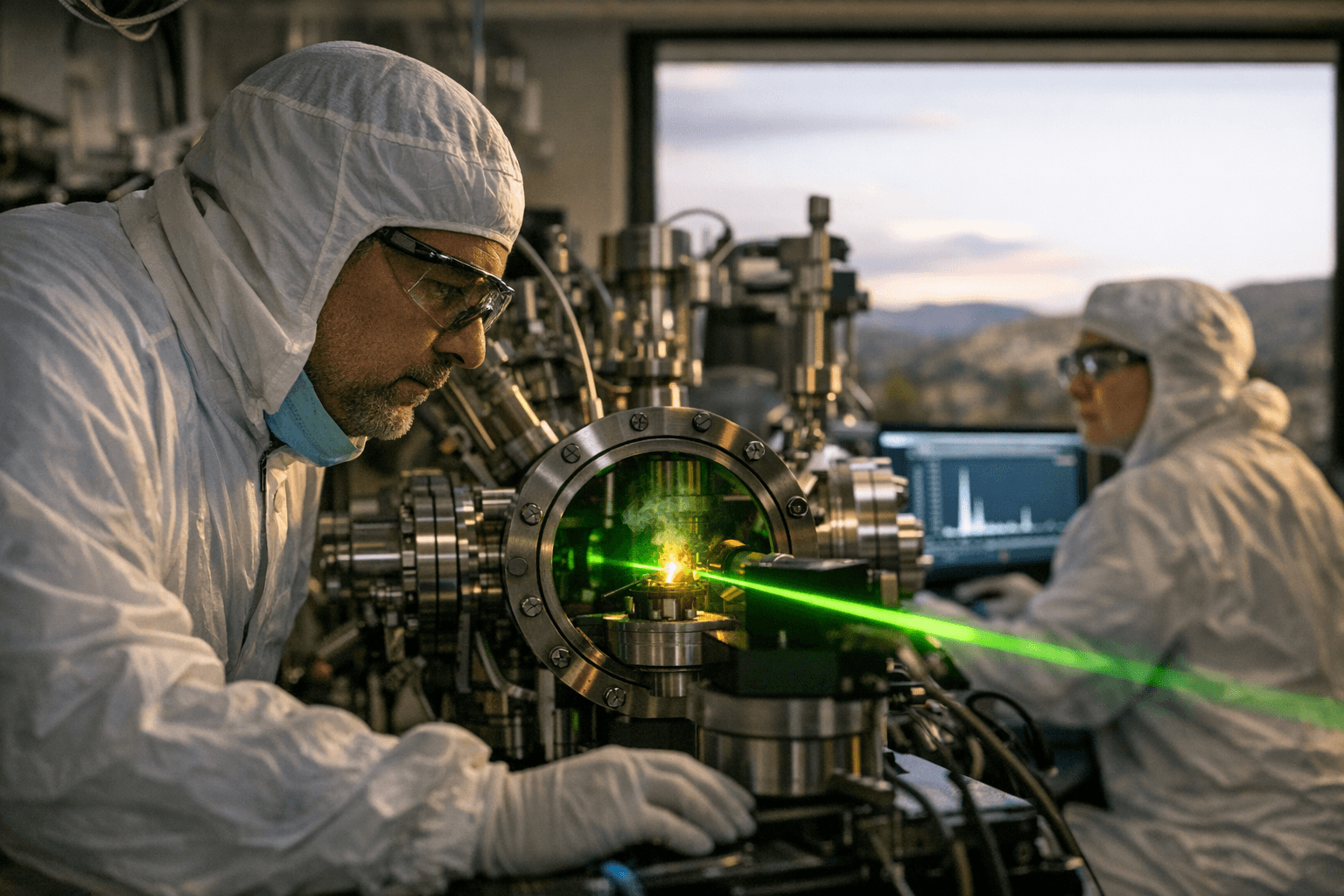
The technique remains at the research and validation stage. Further testing, cross-laboratory comparison, and integration with existing forensic protocols will be needed before routine operational deployment. For county residents, the immediate implications are practical and familiar: ongoing scientific work at the Lab that sustains local expertise and contributes to global nonproliferation efforts, while prompting continued dialogue about transparency and the public interest.
What comes next is additional validation and collaboration to move the method from the bench to field-capable practice. For Los Alamos, that process will shape how the Lab translates cutting-edge science into tools that serve both national security and the community’s expectations for responsible research.
Sources:
Know something we missed? Have a correction or additional information?
Submit a Tip