Largest annual revision cuts U.S. job totals by roughly 860,000–900,000
BLS benchmark revisions trimmed last year's job counts by roughly 860,000–900,000, raising questions about economic strength and community-level health and equity impacts.
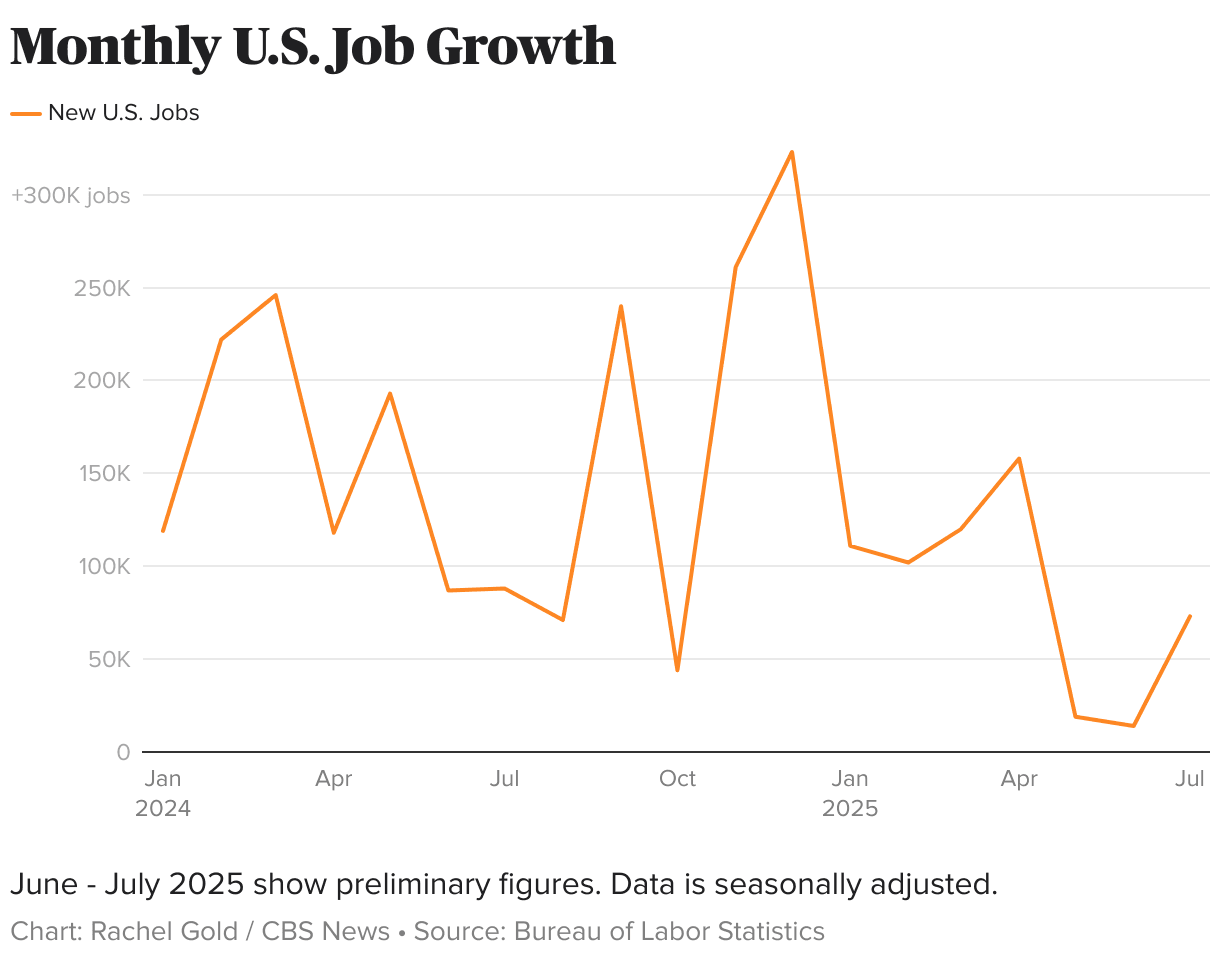
The Bureau of Labor Statistics' annual benchmark revision reduced U.S. payroll counts by roughly 860,000 to 900,000 jobs for the roughly 12-month window through March 2025, a correction that analysts say is among the largest on record and that alters the picture of a labor market once described as resilient.
The revision reflects the BLS rebenchmarks of monthly establishment payroll estimates against the Quarterly Census of Employment and Wages, the employer-reported census that covers more than 95 percent of U.S. jobs. Depending on the exact measure and whether seasonal adjustment or a year-end level is used, reporting has cited a variety of figures: a 862,000 reduction for the 12 months through March 2025; a seasonally adjusted shortfall of about 898,000 for April 2024 through March 2025; an earlier 911,000 estimate that is cited as an initial figure; and a level revision that lowers December payrolls by roughly 1,029,000 jobs.
Economists expected a substantial downward correction, forecasting a reduction between roughly 750,000 and 900,000 jobs after the QCEW updates for the first quarter, but the scale of the adjustment has prompted fresh scrutiny. The annual benchmark process is technical and routine, yet its magnitude can change public and policy perceptions of economic momentum. One widely cited note from an independent researcher concluded the correction showed 2025 was “an exceptionally weak year by almost any standard,” adding: “There are now real doubts about how long the broader economy can continue to power forward with the job market at an almost complete standstill outside of the essential healthcare sector.”

Political reactions were immediate. The president posted on his platform: “GREAT JOBS NUMBERS, FAR GREATER THAN EXPECTED!” and added that “The United States of America should be paying MUCH LESS on its Borrowings (BONDS!). We are again the strongest Country in the World, and should therefore be paying the LOWEST INTEREST RATE, by far.” The correction also comes amid controversy over leadership at the statistical agency after the dismissal of the BLS commissioner last August, an action that critics tied to frustrations over earlier downward adjustments.
Beyond the headline totals, public health and equity implications are consequential. A weaker labor market typically translates into lost wages, reduced employer-sponsored health coverage, and heightened financial strain for communities already facing health disparities. Research links unemployment and underemployment to delays in care, worsening management of chronic illnesses, and rising mental health needs. The revision’s indication that job growth was concentrated in healthcare underscores uneven recovery across sectors and the potential for widening disparities by race, income, and place.

Policymakers and health systems now face twin tasks: reassessing economic policy and shoring up social supports that blunt downstream health harms. Labor market weakness can amplify demand for Medicaid, community health clinics, and behavioral health services while exposing strains on local public health infrastructure in hard-hit regions.
Analysts emphasize that methodological distinctions explain much of the numeric variation across reports - seasonally adjusted versus not, year-over-year changes versus level comparisons, and initial versus final benchmark estimates. But the practical effect is clear: the national employment story is weaker than previously portrayed, and the communities that rely most on steady payrolls for income and health coverage will feel the impact first.
This article was produced by Prism’s automated news system from verified source data, official records, and press releases, then run through automated quality and moderation checks before publishing. The system is built and supervised by the people who set the standards it runs under. Read our full AI policy.
Did this article answer your question?