Largest Ebola Bundibugyo outbreak spreads in Congo and Uganda
Congo’s Bundibugyo Ebola outbreak has topped 1,100 cases and nearly 300 deaths, exposing how little is still known about the rare strain. Uganda has now confirmed cross-border spread.
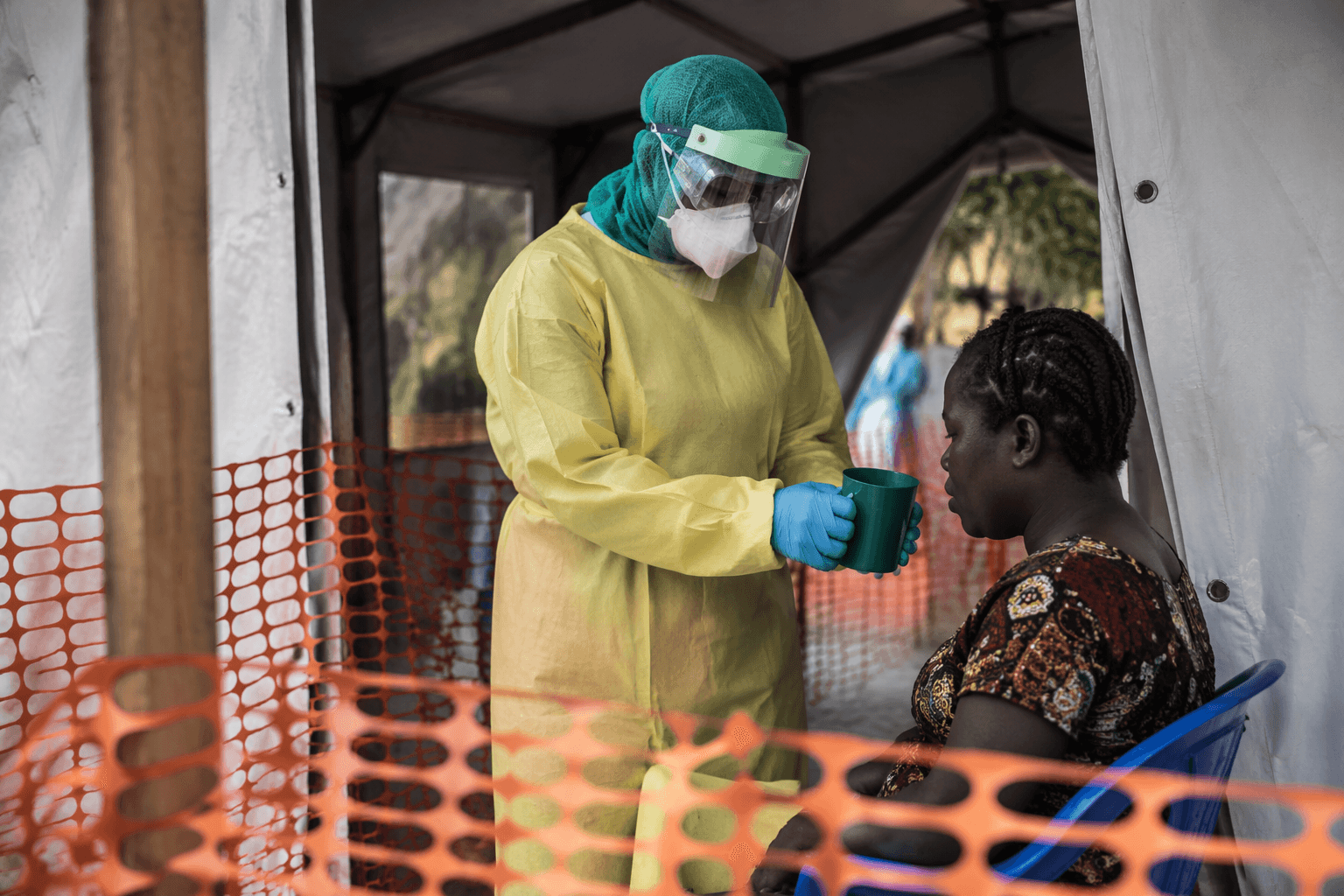
Congo’s Bundibugyo Ebola outbreak has climbed past 1,100 cases and almost 300 deaths, while Uganda has recorded 20 confirmed infections and two deaths.
World Health Organization emergencies director Chikwe Ihekweazu said health authorities are still, in his words, only beginning to understand the outbreak. Bundibugyo has surfaced only twice before, in Uganda in 2007 and in Congo in 2012, and those outbreaks involved about 200 cases each. There is no licensed vaccine or specific therapy for Bundibugyo virus, and treatment is supportive care.

The outbreak was first confirmed in Congo after blood samples taken on May 14 in Rwampara Health Zone, Ituri Province, tested positive, and the Health Ministry declared the country’s 17th Ebola outbreak on May 15. The initial clusters were identified among health care workers, while imported infections in Uganda and secondary transmission among contacts and health workers have been documented. The outbreak is unfolding in a difficult setting marked by humanitarian crisis, insecurity, remote and densely populated areas, and heavy population and trade movement.
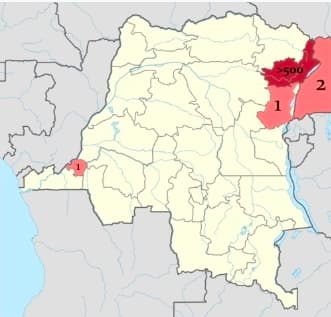

On June 6, WHO counted 515 confirmed cases and 91 deaths in Congo and 19 confirmed cases plus two deaths in Uganda; by June 17, the totals had risen to 896 confirmed cases and 232 deaths in Congo and 19 confirmed cases and two deaths in Uganda. On June 22, the National Institute for Communicable Diseases counted 1,094 laboratory-confirmed cases, 277 deaths, 131 suspected cases and 115 recovered patients across Ituri, North Kivu and South Kivu. Africa CDC declared a Public Health Emergency of Continental Security on May 18. African heads of state and partners met virtually on June 16 under Burundi President Evariste Ndayishimiye as surveillance, contact tracing and cross-border preparations were expanded.
This article was produced by Prism’s automated news system from verified source data, official records, and press releases, then run through automated quality and moderation checks before publishing. The system is built and supervised by the people who set the standards it runs under. Read our full AI policy.
Did this article answer your question?