Las Animas ranchers bring decade-spanning tradition to National Western show
Las Animas County ranch family brought about 10 cattle to the 120th National Western Stock Show, tapping national buyers and higher stakes that matter for local ranch economics.
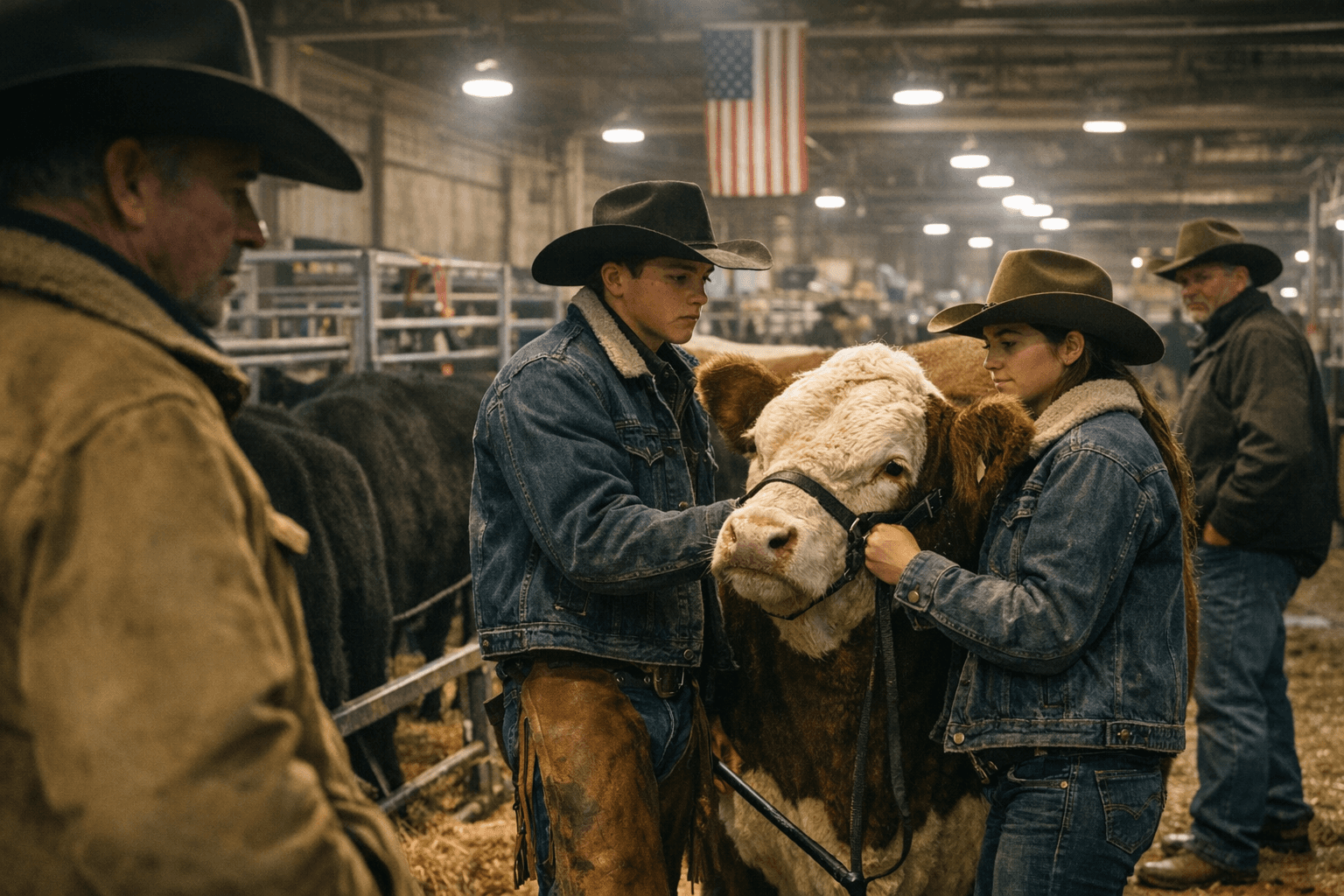
For the 120th running of the National Western Stock Show in Denver, a multigenerational Las Animas County ranch family packed up cattle and headed east in mid-January, underscoring how an annual trip to the Mile High City can shape rural livelihoods. The show runs Jan. 10-25 and this year is unfolding inside new facilities built as part of a roughly $1 billion multi-year redevelopment, including the Sue Anschutz-Rodgers Livestock Center.
Bill, Nancy and Sydney Wilkinson loaded about 10 animals from their ranch between La Junta and Trinidad along U.S. 350 and entered both commercial beef and purebred animals. The family markets Gelbvieh and Balancer cattle as breeding stock in addition to a commercial herd raised for beef. “With our cattle, this will be our 35th year,” Bill Wilkinson said, a marker of long-term participation that gives Las Animas County producers recurring access to a wider market.
Stock shows like National Western have become more than contests; they are market platforms where national and international buyers set higher stakes for breeding genetics and commercial lots. For small and mid-sized operations in rural counties, that can mean higher sale prices and reputation-building—if the breeder can meet the logistical, health and presentation costs required to compete. The Wilkinsons’ attendance and membership ties to groups such as the American Gelbvieh Association highlight how breed networks and industry conventions turn show rings into business pipelines.
The new Sue Anschutz-Rodgers Livestock Center and broader redevelopment signal investor confidence in the livestock exhibition economy. That modernization may expand exposure and professionalize sales, but it also raises the bar for entrants from counties like Las Animas: hauling animals to Denver, entry fees, vaccination and inspection standards, and the time away from ranch duties all add to the cost of participation. For producers who succeed, the payoff can include premium prices for breeding stock and connections with out-of-state buyers; for others, the expense tightens margins.
Locally, the Wilkinsons’ decades-long presence is both cultural and economic. Their regular trips put Las Animas County bloodlines on a national stage and remind area ranchers that the county’s beef and breeding operations still feed into broader market dynamics. Younger producers watching multidecade families return each year can see the trade-off between immediate costs and long-term brand building.
Our two cents? Treat the Stock Show as a strategic investment: vet your herd’s strengths, lean on breed associations for marketing, and balance the immediate cost of travel and fees against the potential lift in price and buyer reach. For many Las Animas ranches, that annual trip to Denver remains a pivotal step in staying competitive.
Sources:
Know something we missed? Have a correction or additional information?
Submit a Tip