Last Apollo 17 Moonwalker Reflects as Artemis II Prepares Lunar Return
Harrison Schmitt, 90, the only geologist to walk on the Moon, offers hard-won advice as Artemis II prepares to send humans moonward for the first time since 1972.
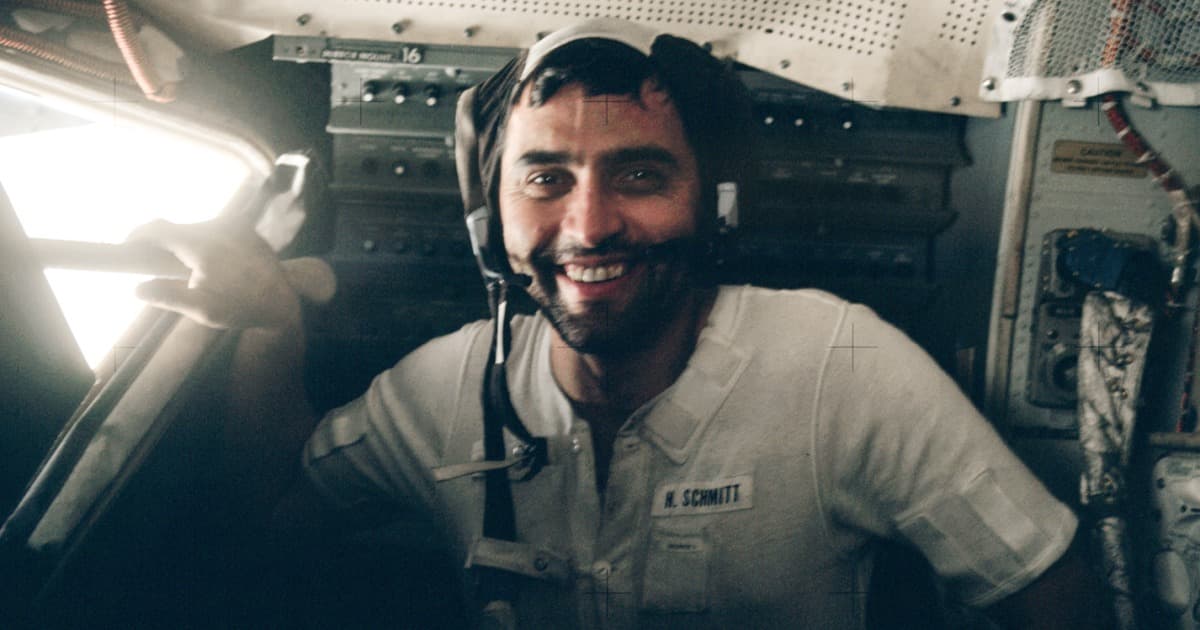
Harrison Schmitt left his bootprints on the lunar surface more than 53 years ago and still has advice for the crew about to follow his path.
Schmitt, now 90 and known to colleagues as Jack, was the lunar module pilot on Apollo 17 and remains the only geologist ever to walk on the Moon. His counsel to the Artemis II crew, scheduled to lift off at 6:24 p.m. today from Launch Complex 39B at Kennedy Space Center in Florida: "Make sure that you've got your training down pat. Be ready for anything unexpected, but have a great time. Enjoy it."
That counsel carries institutional weight. Apollo 17, which launched in December 1972 with Commander Gene Cernan and Command Module Pilot Ronald Evans alongside Schmitt, set records that remain unbroken: the crew drove a lunar rover approximately 19 miles across the surface and returned with 243 pounds of geology samples, spending more than three days on the Moon during a mission that totaled nearly 13 days in space.
The Artemis II crew will not land. Commander Reid Wiseman, pilot Victor Glover, mission specialist Christina Hammock Koch, and Canadian Space Agency mission specialist Jeremy Hansen will fly NASA's Space Launch System rocket and Orion spacecraft on an approximately 10-day arc around the Moon. The Orion service module comes from the European Space Agency, making the mission international at every level. It is the first crewed flight of both the SLS and Orion, and the first time humans have traveled to the Moon since Apollo 17.
The mission's structure echoes Apollo 8, which circled the Moon without landing in 1968, proving crew survivability in deep space before Apollo 11 set down on the Sea of Tranquility. Artemis II follows the same logic ahead of a surface landing targeted for Artemis IV in 2028; Artemis III, planned for 2027, will test a lunar lander in Earth orbit first.
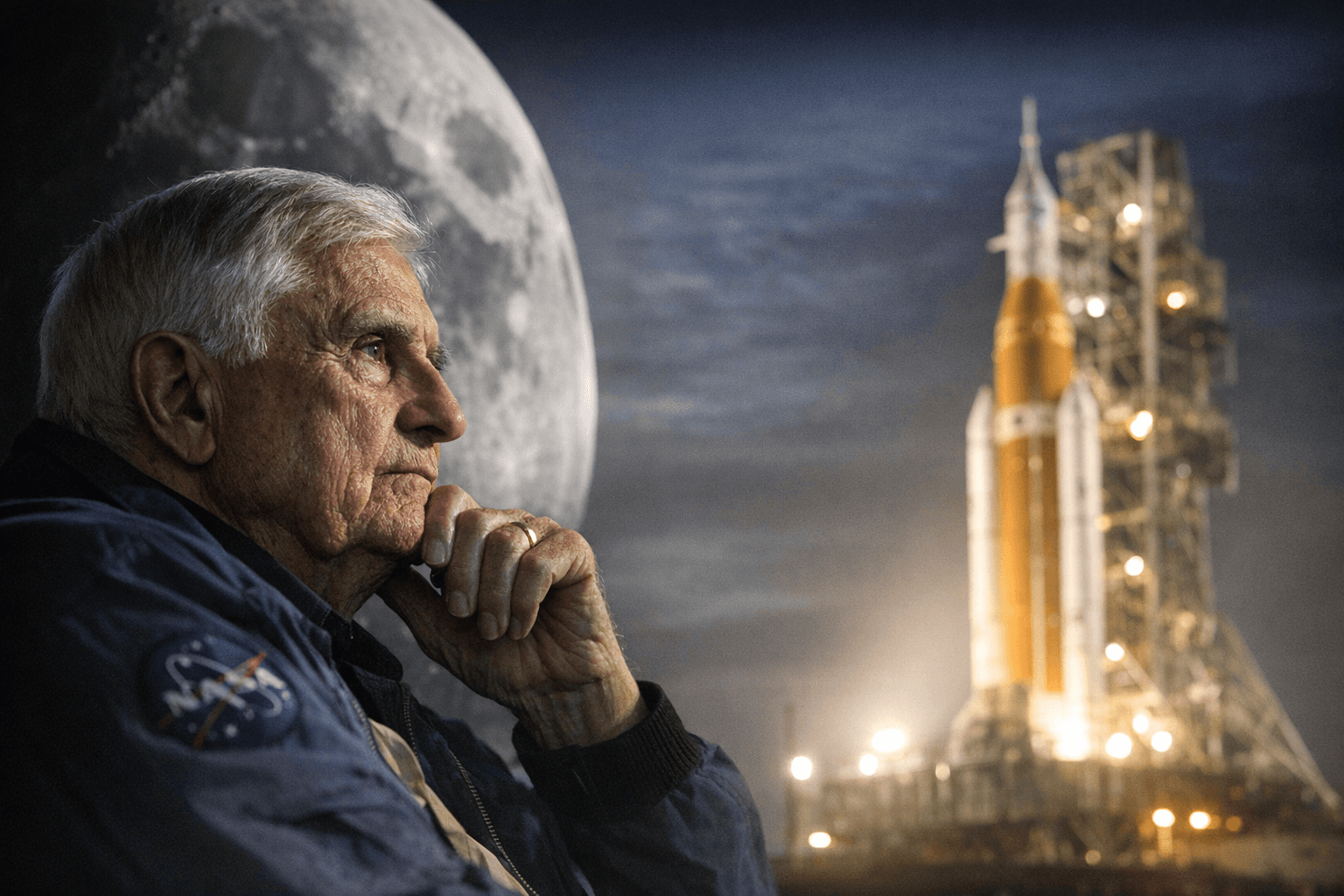
Schmitt's most specific caution for future moonwalkers concerns the ground itself. "Dust was a big problem for us; tool connectors ceased to operate after a couple EVAs," he said. Lunar regolith is electrostatically charged and abrasive, degrading hardware in ways Earth simulations cannot fully replicate. He also noted that "every day, every hour, every minute, is a new experience" in deep space, underscoring that psychological preparedness matters as much as technical training.
The geopolitical stakes have shifted since 1972 without diminishing. Schmitt's crew raced the Soviet Union; the Artemis program contends with China's stated goal of landing astronauts on the Moon by 2030. Budget pressures that killed additional Apollo missions in the 1970s remain a live concern: Artemis III has already been repurposed from a crewed landing to an orbital lander test, pushing a surface mission to 2028 at the earliest.
Artemis II will claim one sight no human has ever witnessed. Wiseman noted in a pre-launch briefing that roughly 60 percent of the Moon's far side has never been seen by human eyes due to lighting conditions. "We've seen it in satellite photos, but humans have never, ever seen that before. That's cool," he said. Beyond Artemis II, a lunar Gateway space station is planned for lunar orbit, with its first two modules set to launch in 2027.
Whether the political and fiscal will to sustain Artemis survives long enough to reach a landing will determine whether Schmitt's footprints remain the last human marks on the Moon, or simply the oldest ones.
This article was produced by Prism’s automated news system from verified source data, official records, and press releases, then run through automated quality and moderation checks before publishing. The system is built and supervised by the people who set the standards it runs under. Read our full AI policy.
Did this article answer your question?

