Latino voters could decide key House races as economy dominates concerns
Latino turnout has climbed sharply, and the economy is now the top concern for 64% of Latino voters heading into House races that could hinge on a few thousand ballots.
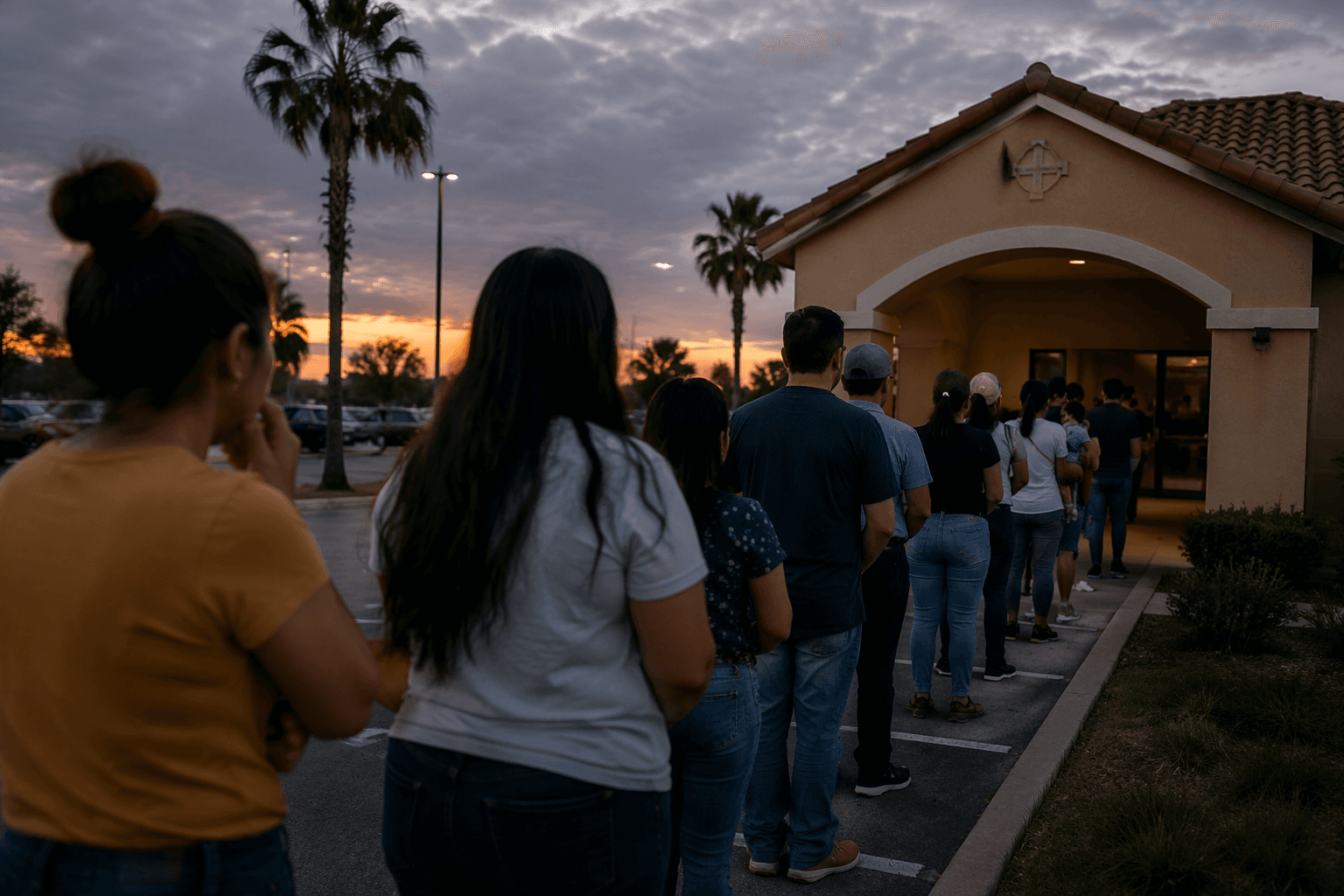
Latino strategists are focusing on House districts where a growing Latino electorate could decide the margin, and the numbers show why. NALEO Educational Fund projected more than 17.5 million Latino voters nationwide in Election 2024, or 11.1% of all voters, up 6.5% from 2020 and 38.3% from 2016.
That growth has made Latino voters a central target in battleground states and competitive districts, especially in Arizona and Nevada, where close contests have often turned on turnout and persuasion. AS/COA says Latinos’ share of the U.S. electorate has doubled since 2000, giving both parties more reason to treat the bloc as decisive rather than peripheral.
The issue that is moving those voters most clearly is the economy. Pew Research Center found that for Latino voters, the economy is the top issue, ahead of health care, violent crime and gun policy. UnidosUS found that 64% of Latino voters cite an economic-related issue as their top concern, with inflation and the rising cost of living, jobs and the economy, and health care ranking as the leading priorities.
Those pressure points have not faded. CBS News said a survey of 3,000 registered Latino voters found that cost of living, jobs and housing were the dominant concerns heading into the 2026 midterms. That mix points to a broader pattern in which wage growth, rent, grocery bills and housing costs are carrying more weight than abstract appeals about party loyalty.
That shift complicates easy assumptions about how Latino voters will behave. Analysts say Latino voters are fragmenting rather than moving as a single bloc, and Donald Trump’s 2024 gains have made the old picture of a durable Democratic edge look less reliable. Republicans are trying to hold on to those gains, while Democrats are betting that high prices and immigration enforcement will push some Latino voters back into their column.
The result is a more competitive map in places with large Latino populations, from Arizona and Nevada to House districts in Pennsylvania, North Carolina, Wisconsin, Michigan and Georgia. In races that may be decided by narrow margins, the voters most likely to matter are still asking the most basic question in politics: whether their paychecks, rents and bills will stretch far enough.
This article was produced by Prism’s automated news system from verified source data, official records, and press releases, then run through automated quality and moderation checks before publishing. The system is built and supervised by the people who set the standards it runs under. Read our full AI policy.
Did this article answer your question?

