Laughlin AFB Boosts Del Rio Economy Through Visitor Events and STEM Outreach
Laughlin AFB contributed approximately $1.6 billion to the regional economy in 2022 and supports 8,694 direct and indirect jobs in Del Rio and Val Verde County.
Laughlin Air Force Base, located east of Del Rio, is a major economic engine for Val Verde County, contributing approximately $1.6 billion to the regional economy in 2022 and supporting 8,694 direct and indirect jobs, according to Laughlin AFB’s Compatible Use Study and the 2021–2022 biennial report prepared by the Texas Military Preparedness Commission.
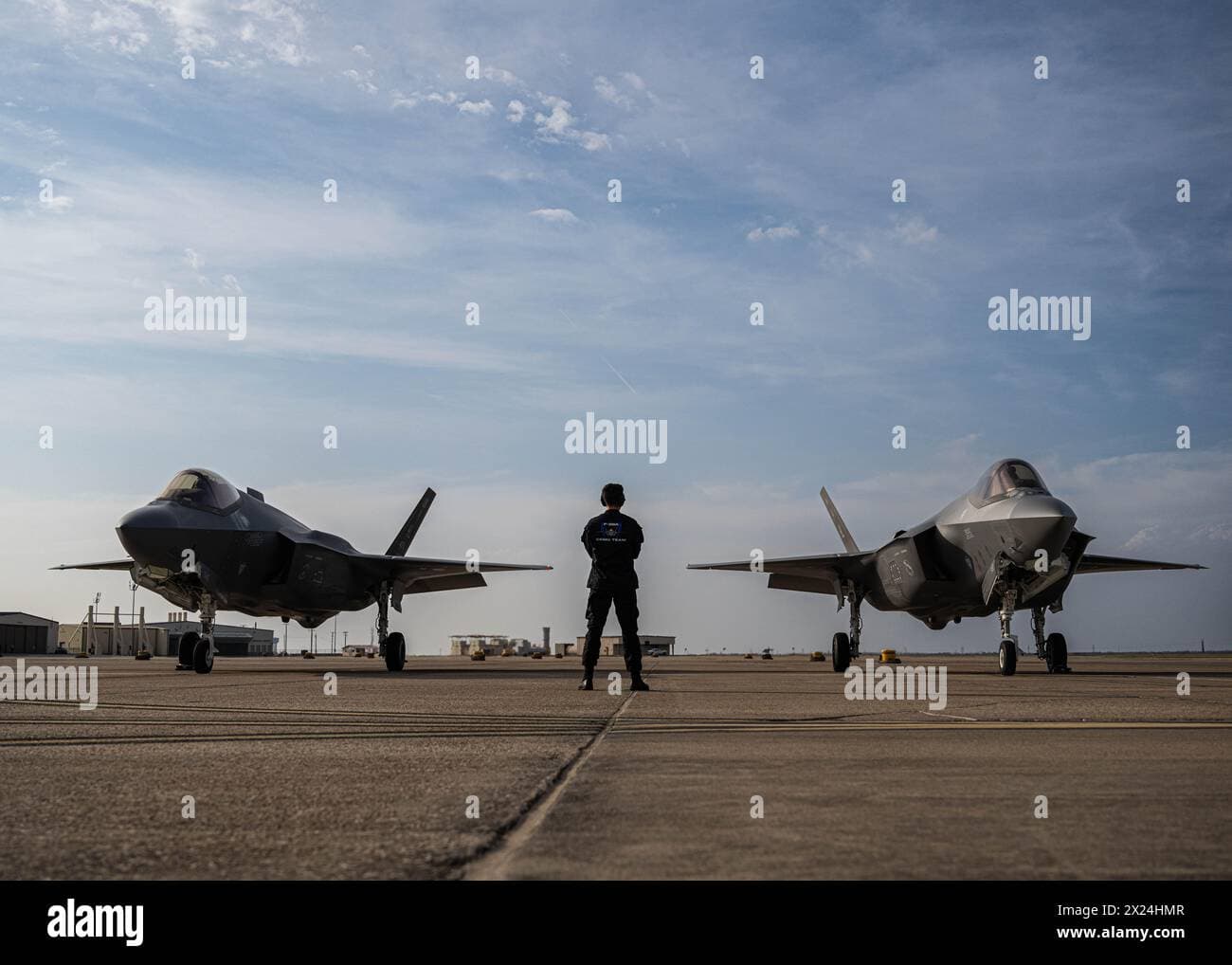
The installation occupies more than 4,500 acres and serves as a premier undergraduate pilot training base for the United States Air Force. Laughlin is home to the 47th Flying Training Wing of Air Education and Training Command and the 96th Flying Training Squadron of the Air Force Reserve Command. Training aircraft named in base materials include the T-6A Texan II, the T-38C Talon, and the T-1A Jayhawk.
Economic and employment figures in the CUS cite 3,290 military and civilian staff directly employed at Laughlin AFB and an induced 5,404 additional jobs, producing the reported 8,694 total. The study describes Laughlin as the largest single employer in Del Rio, Val Verde County, and the Southwest Texas region, underscoring the base’s broad footprint in local payrolls, contracting, and service demand.
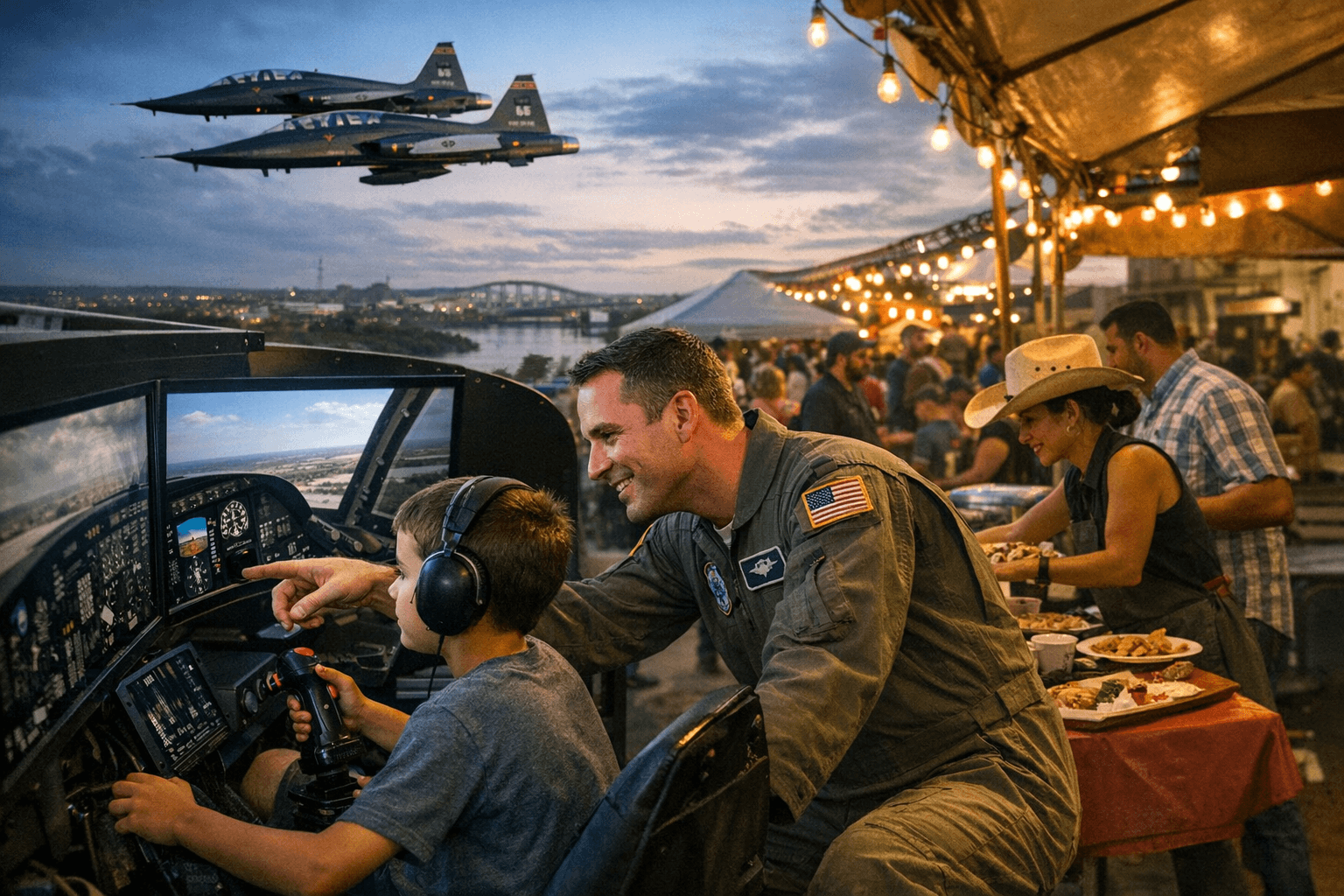
Laughlin’s civilian-facing programs include K–12 and higher education links on base. San Felipe Del Rio Consolidated Independent School District operates Roberto Barrera STEM Elementary (K–5) inside Laughlin AFB, and Park University “offers onsite and online classes on base” from an office at the Education Center open to military and civilian personnel. A Laughlin AFB public affairs summary notes, “One way Laughlin AFB has been fostering this relationship is by providing students of Del Rio High School the chance to gain on-the-job training.”
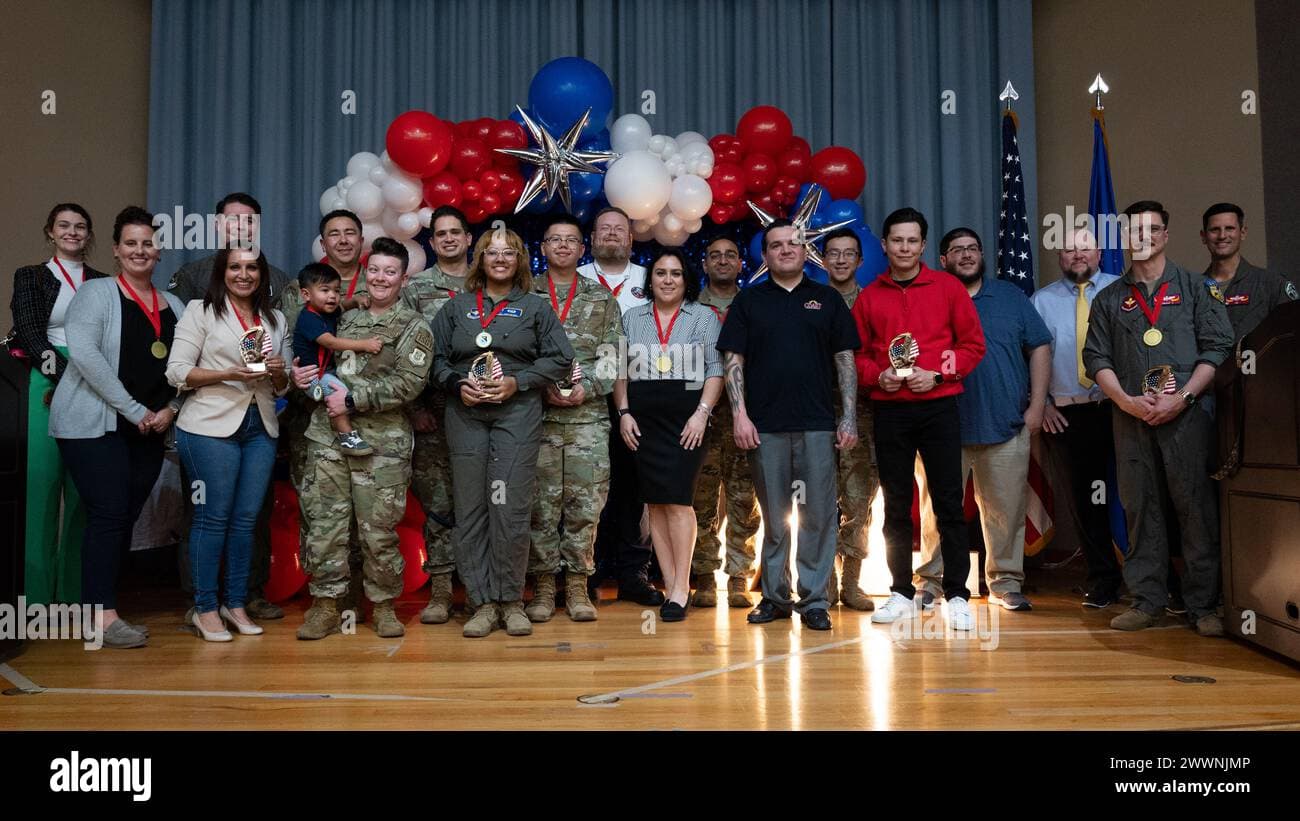
Local nonprofit and civic coordination is largely channeled through the Military Affairs Association. The MAA states its purpose is to “promote goodwill between Laughlin AFB and the community, assist in the integration of military personnel to Del Rio, coordinate efforts to strengthen current missions/assist in possible new missions, and implement measures to be taken to ensure Laughlin and Del Rio's future relationship.” The MAA lists concrete goals including “Be classified as the best in AETC Base-Community Relations” and “Maintain a task force that ensures the future of Laughlin AFB and Del Rio.”
MAA membership and local funding mechanisms are explicit: the group says membership costs “an additional $125 per year, plus optional contributions.” Suggested contributions include “Laughlin Strong” funds at $100 per year to support facilities and base realignment defense, and a “Grow Your Own” project at $100 per year “dedicated to helping educate, train, and prepare students for immediate job placement at LAFB through programs at Del Rio High and the Junior College.”
Land-use coordination around the installation has moved forward with a Compatible Use Study funded by the Office of Local Defense Community Cooperation. The CUS identifies compatibility concerns, was produced with stakeholder engagement, and lists Val Verde County as project sponsor with partners including the City of Del Rio, Amistad National Recreation Area, the Military Affairs Association, and the public; the CUS is described as an update to the 2007 Joint Land Use Study.
Public materials also include truncated references that lack full public detail: one document states “The base stages a major airshow and” without completion, and another notes “Laughlin AFB in Del Rio, Texas has recently partnered with nonprofit Green Education Foundation to become the first military base to install an on-site” before the account is cut off. Those fragments appear in publicly available summaries but provide no dates, installation descriptions, or visitor guidance.
With $1.6 billion in reported regional impact, on-base schooling, and structured civic partnerships such as the MAA and the CUS, Laughlin AFB’s operations are tightly woven into Del Rio’s economy and public life. The CUS and MAA commitments frame continued coordination on land use, workforce development, and base-community relations as central to protecting jobs and services that residents and local governments rely on.
Know something we missed? Have a correction or additional information?
Submit a Tip