Lauren Edwards plans to revive assisted dying bill after Lords delay
Lauren Edwards will relaunch the assisted dying bill that passed the Commons by 314 to 291 but stalled in the Lords after more than 1,200 amendments.
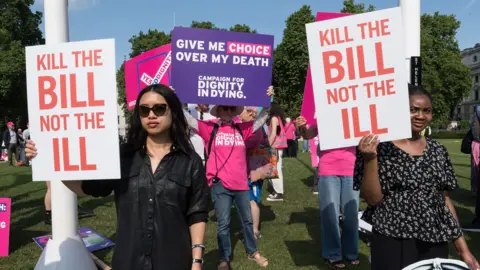
Lauren Edwards is preparing to bring back the assisted dying bill that cleared the House of Commons by a narrow margin but ran out of parliamentary time in the House of Lords. The Rochester and Strood Labour MP wants to reintroduce the Terminally Ill Adults (End of Life) Bill in the next session, keeping the text exactly the same after it failed to complete its journey before Parliament adjourned in April 2026.
The bill was first introduced in the Commons on 16 October 2024 by Kim Leadbeater and later passed its Third Reading on 20 June 2025 by 314 votes to 291. It would allow adults who are terminally ill and reasonably expected to die within six months to request assistance to end their own life, subject to safeguards and protections. After clearing the Commons, it was sent to the Lords on 23 June 2025, where Lord Falconer of Thoroton took it up.
What followed was a procedural slog. More than 1,200 amendments were tabled, with some reporting the total at nearly 1,300, and the Lords scheduled 14 Fridays between 14 November 2025 and 24 April 2026 to examine the bill. After 13 of those allotted days, peers had debated only about half of the proposed changes. Supporters argued the measure had been delayed by process rather than rejected on principle, a distinction that now shapes efforts to revive it.
Edwards said she had thought long and hard before deciding to try again. She also consulted family members in Australia, where she said relatives have experience of assisted dying, before settling on the same legislation for another attempt. Her move followed a Commons debate on 8 June 2026 in which supporters of bringing the bill back outnumbered opponents by roughly two to one, suggesting the issue still commands a significant bloc of parliamentary backing.
The political stakes remain high because of the way Parliament can handle repeated legislation. In some circumstances, the Parliament Act can prevent the Lords from blocking an identical bill passed in two consecutive sessions, although that would still require MPs to pass the measure again in the Commons first. That gives Edwards a possible route around the deadlock, but not a simple one.
Supporters including Dignity in Dying, Humanists UK and My Death, My Decision want the reform returned to the floor, while disability campaigners and other opponents continue to warn that assisted dying could place pressure on vulnerable people and argue that Parliament should focus instead on palliative care. Eight House of Lords peers with nursing and medical backgrounds have also urged MPs to keep pursuing law reform, underscoring how persistent, and unresolved, the fight over assisted dying remains.
This article was produced by Prism’s automated news system from verified source data, official records, and press releases, then run through automated quality and moderation checks before publishing. The system is built and supervised by the people who set the standards it runs under. Read our full AI policy.
Did this article answer your question?

