Lawmakers question who got special access to Eli Lilly obesity drug
Lawmakers want to know who got Eli Lilly's retatrutide after a single-patient compassionate-use approval, and whether political connections opened the door.
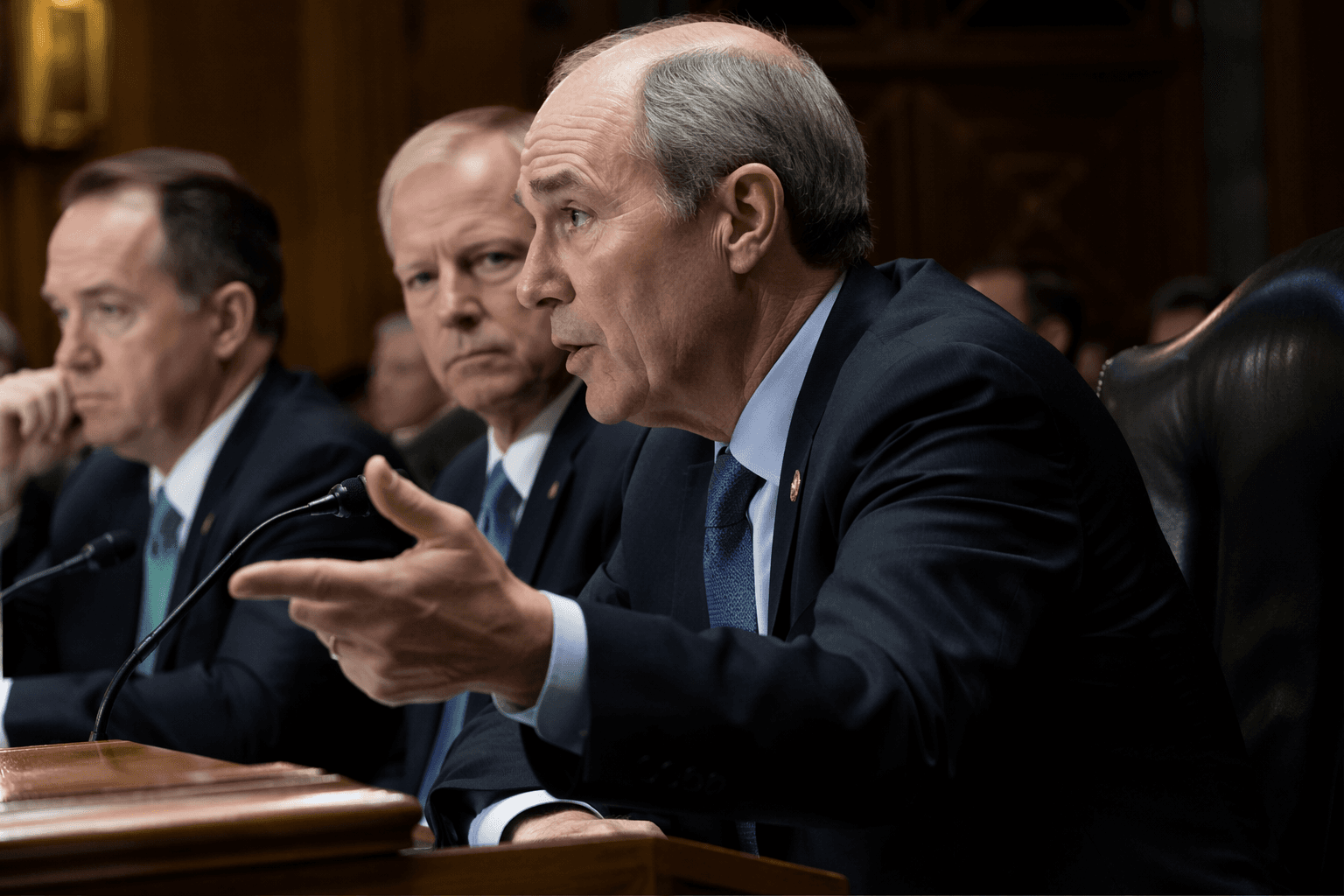
Eli Lilly and the Food and Drug Administration approved retatrutide for one 79-year-old man in April 2026, with refractory obesity, obstructive sleep apnea and pulmonary hypertension. Sen. Maggie Hassan pressed Health and Human Services Secretary Robert F. Kennedy Jr. to identify the lone patient who received Eli Lilly’s experimental obesity drug retatrutide through the government’s expanded-access system.
The FDA’s expanded-access pathway, sometimes called compassionate use, is reserved for patients with serious or immediately life-threatening disease when no comparable or satisfactory alternative exists and clinical trial enrollment is not feasible. Requests are generally submitted by a U.S.-licensed physician on behalf of an eligible patient, and some categories require institutional review board review and informed consent.
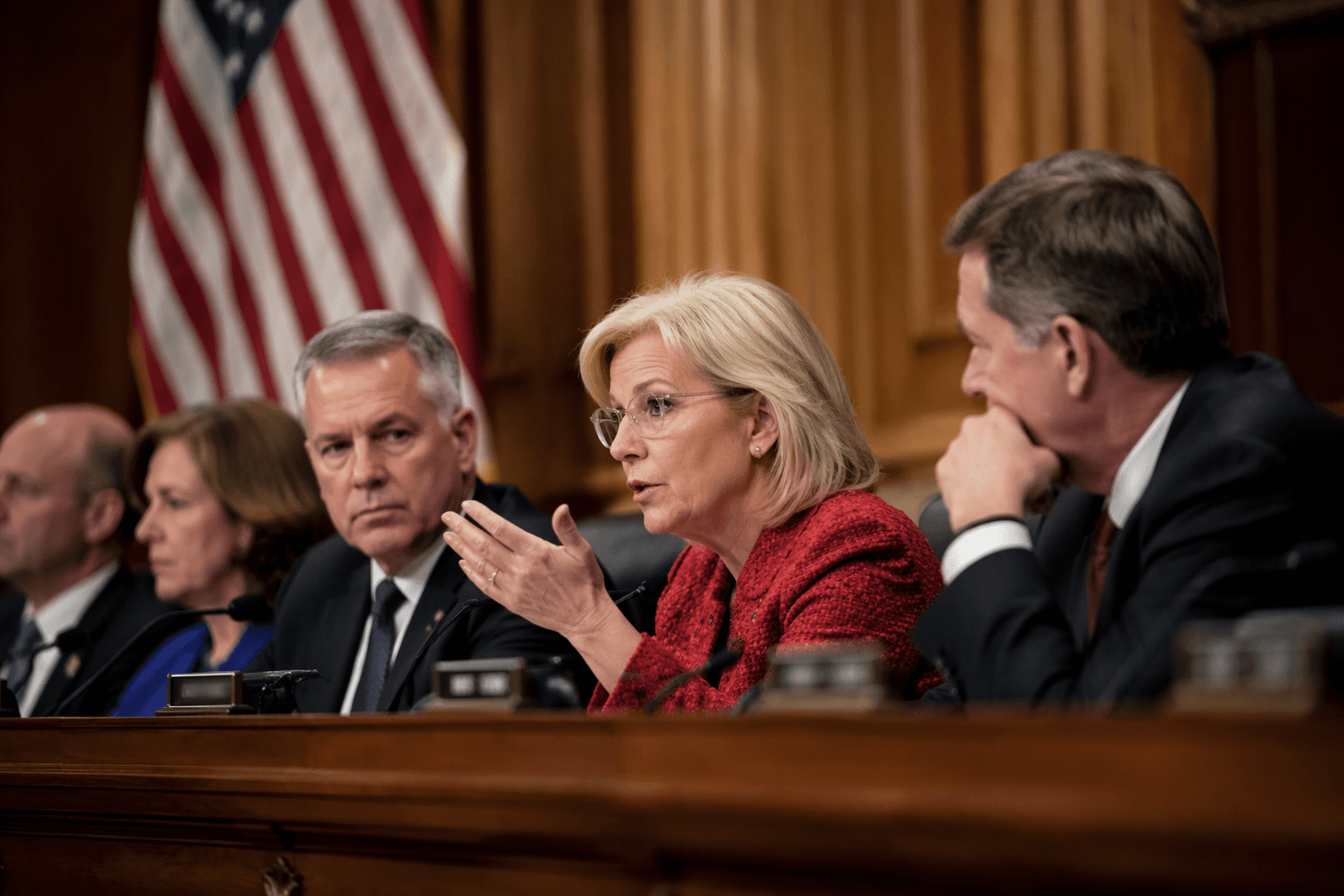
Hassan asked whether the patient was President Donald Trump, a senior administration official, a donor or someone close to the administration. She also wanted to know whether the drug was provided for free and which official at HHS approved the request. White House officials denied that Trump was the patient. Rep. Ted Lieu raised related concerns as well.
In a 2023 phase 2 obesity trial, the 12-mg group had a mean weight loss of 24.2% at 48 weeks. Lilly’s June 6, 2026 TRIUMPH-1 results showed phase 3 participants on the 12-mg dose lost an average of 70.3 pounds, or 28.3%, over 80 weeks, and the drug reduced moderate-to-severe obstructive sleep apnea severity by up to 36.1 events per hour while also improving knee osteoarthritis pain.
Lilly is studying retatrutide in multiple phase 3 trials covering obesity with weight-related conditions, type 2 diabetes, knee osteoarthritis pain, moderate-to-severe obstructive sleep apnea, chronic low back pain, cardiovascular outcomes and renal outcomes. A STAT review found no previous compassionate-use programs for popular obesity drugs such as tirzepatide and Wegovy. The Centers for Medicare & Medicaid Services’ Medicare GLP-1 Bridge will begin on July 1, 2026 and run through December 31, 2027.
This article was produced by Prism’s automated news system from verified source data, official records, and press releases, then run through automated quality and moderation checks before publishing. The system is built and supervised by the people who set the standards it runs under. Read our full AI policy.
Know something we missed? Have a correction or additional information?
Submit a Tip