Lebanon and Iran cease-fires wobble as attacks rise, talks stall
Four deaths in southern Lebanon and a canceled U.S. envoy trip showed how quickly the region’s twin cease-fires were fraying.
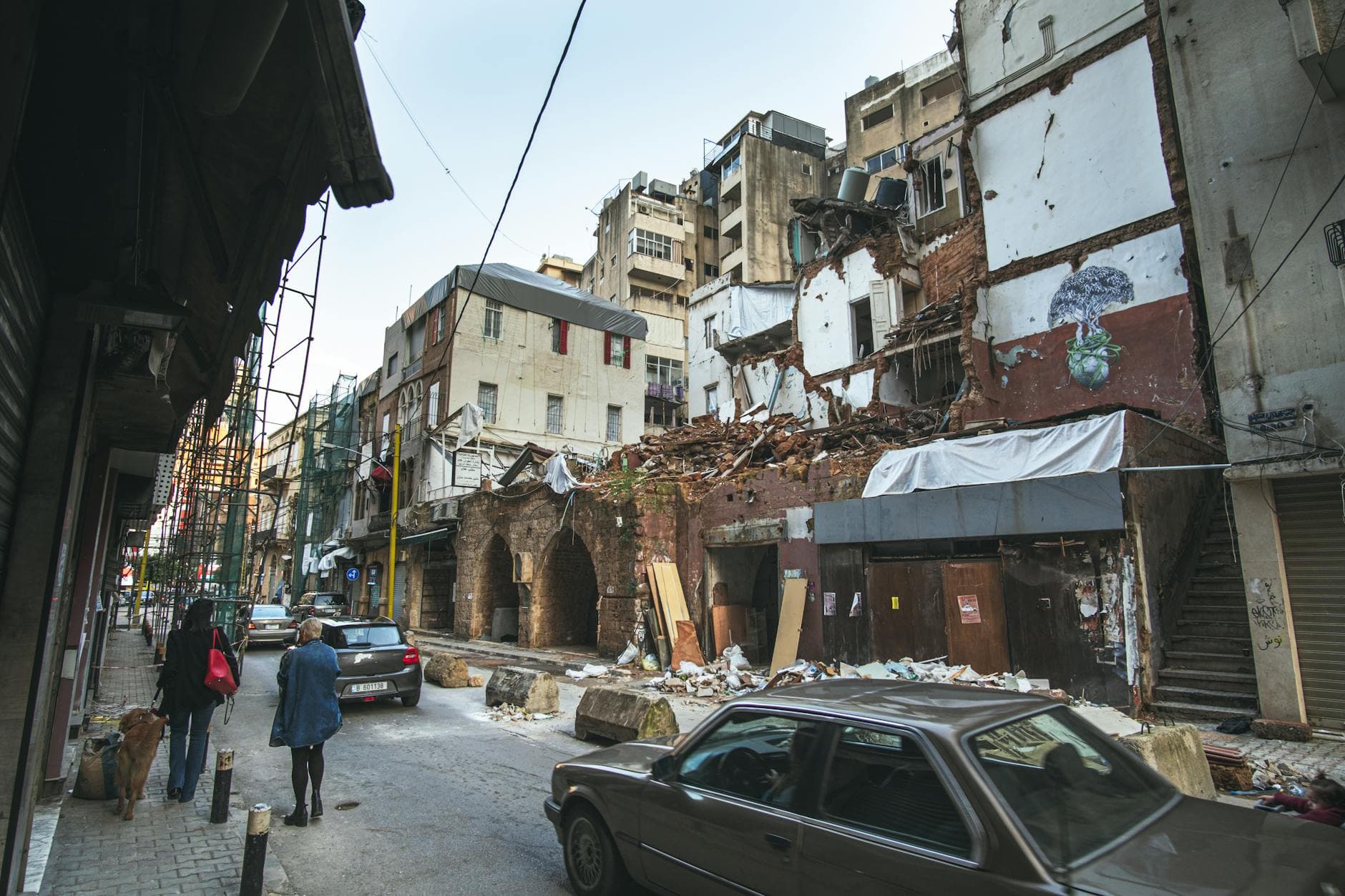
Israel’s latest strikes in southern Lebanon killed four people and threatened to widen the damage just as Washington tried to keep two separate diplomatic tracks alive. The cease-fire with Hezbollah had already been extended by three weeks after White House talks, while U.S. efforts to restart negotiations with Iran stalled over the same widening conflict.
In Washington, Lebanese and Israeli envoys held rare direct talks this month, the first such meetings in decades, with Secretary of State Marco Rubio hosting. Lebanon’s goal was to stop hostilities, end Israel’s hold in southern regions and deploy its army to the internationally recognized border; Israel instead pressed Beirut to disarm Hezbollah. The talks produced only a temporary extension, not a political settlement, and Israel kept its option to strike what it described as imminent threats.
The cease-fire line in Lebanon remained under pressure. On April 25, Lebanese state media reported that Israeli strikes killed four people in the south, while Israel said Hezbollah had fired rockets at it. Israeli officials then said the military would attack Hezbollah targets forcefully, underscoring how the truce had cut the tempo of fighting without ending it. Israel also kept troops in its self-declared buffer zone in southern Lebanon, making the border itself a live flashpoint.
The Iran channel was no more stable. Foreign Minister Abbas Araghchi traveled to Islamabad to discuss proposals for restarting peace talks, but President Donald Trump canceled the planned trip there by envoys Steve Witkoff and Jared Kushner after Tehran signaled it did not intend to meet U.S. representatives directly. The deadlock has centered on whether talks can move forward while the Strait of Hormuz remains under pressure and Iranian oil exports remain blocked.
For Washington and its allies, the warning signs are now clear: renewed Hezbollah rocket fire, more Israeli strikes in southern Lebanon, any further expansion of operations inside the buffer zone, and continued Iranian resistance to face-to-face negotiations. The larger risk is regional spillover, because a cease-fire built on partial understandings can unravel fast when battlefield pressure outruns diplomacy.
This article was produced by Prism’s automated news system from verified source data, official records, and press releases, then run through automated quality and moderation checks before publishing. The system is built and supervised by the people who set the standards it runs under. Read our full AI policy.
Did this article answer your question?


