LeBron James misses first All‑Star start nod since 2004
LeBron James was left off the 2026 All‑Star starters, ending a 21‑year run of starting nods and signaling a generational shift in NBA voting and fan attention.
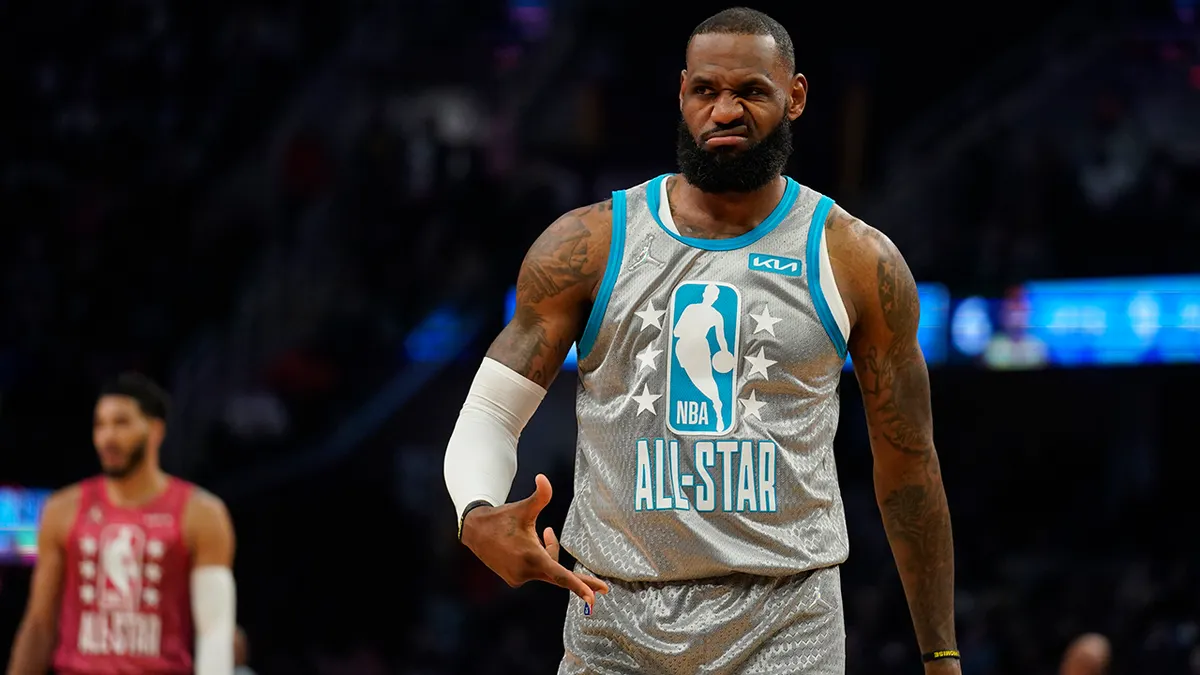
The NBA revealed the 2026 All‑Star Game starters on Monday, and for the first time since 2004 Los Angeles Lakers star LeBron James was not named to the opening lineup. The omission breaks what is commonly cited as a 21‑year streak of All‑Star starting selections and punctuates a season in which his availability and vote totals lagged behind rising stars.
Starters were determined by a weighted voting formula that counts fan ballots for 50 percent, current players for 25 percent and a media panel for 25 percent. The Western Conference starting five includes a first All‑Star start for Victor Wembanyama, who is averaging 24.5 points, 10.9 rebounds and a league‑leading 2.6 blocks per game. Luka Dončić led Western Conference voting with just over 3.4 million votes; LeBron finished eighth in the West with slightly more than 1.8 million votes.
The statistical and availability storylines behind James’ drop from the starting five are stark. He missed the first 14 games of the 2025‑26 season with sciatica, struggled to regain a dominant rhythm upon return, and saw the NBA‑record streak of 1,297 consecutive games with at least 10 points end in Toronto last month. Season accounting varies by sample: one framing gave James averages of 22.6 points, 5.9 rebounds and 6.9 assists after missing the initial 14 games, while another noted that in the 18 games since his return he averaged 25.5 points, 6.6 assists and 6.4 rebounds. Those differing lenses help explain why he remained on the All‑Star radar but fell short of a starting slot under the composite vote.
Despite the loss of a starting designation, James remains eligible for All‑Star selection as a reserve. NBA head coaches will choose seven reserves for each conference, with roster announcements scheduled for Feb. 1. Last season James extended his own record by being selected for a 21st consecutive All‑Star Game but ultimately did not play, withdrawing roughly 90 minutes before tipoff because of foot and ankle discomfort. That recent history of selection without participation complicates expectations for how coaches and voters will weigh durability against continued elite production.
The decision to sideline James from the starters has reverberations beyond a single lineup. It underscores a generational shift in fan attention and marketability, as younger franchises of star players consolidate popularity and voting power. For the league and its commercial partners, the change alters narratives around marquee names for the All‑Star Weekend, while prompting conversation about longevity, legacy and how modern fandom balances reverence for career achievement with appetite for current thrills.
For James, the omission will be parsed as both a statistical outcome and a cultural moment: a measurable decline in a long run of starter status, and a symbolic passing of prominence in the All‑Star conversation to a new wave of stars. The full roster will be complete after the Feb. 1 reserve announcements, offering a clearer picture of how coaches value veteran presence versus emerging talent in the showcase.
This article was produced by Prism’s automated news system from verified source data, official records, and press releases, then run through automated quality and moderation checks before publishing. The system is built and supervised by the people who set the standards it runs under. Read our full AI policy.
Did this article answer your question?

.jpg&w=1920&q=75)
