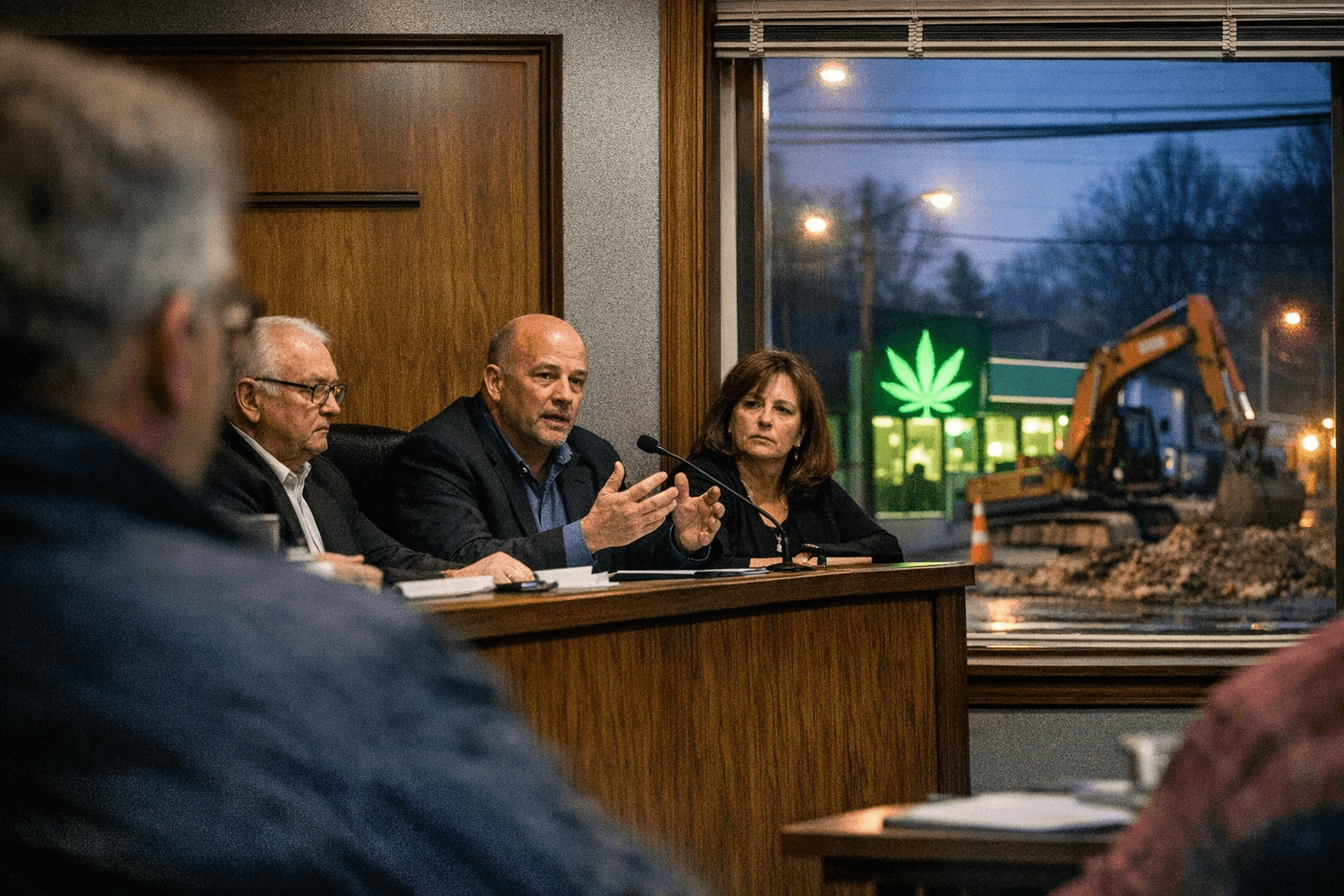
Letter Argues GOP Long-Term Ohio Control Shares Blame for Social-Service Oversight
A letter argued that decades of GOP control in Ohio share responsibility for lapses in social-service oversight and urged residents to focus on systemic accountability and report suspected fraud.
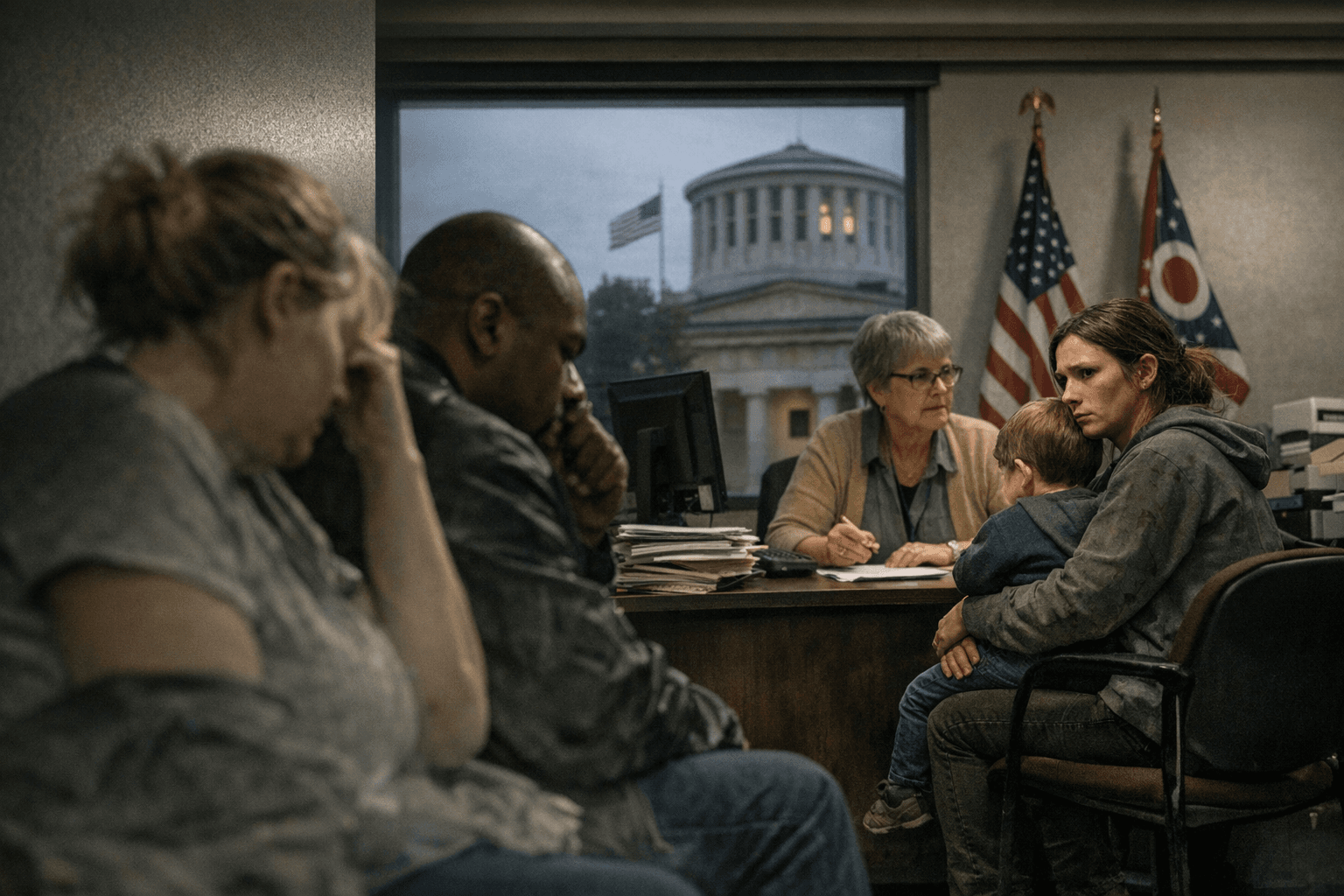
A letter to the editor submitted Jan 19 argued that framing waste and fraud in social-service programs as primarily the fault of Democratic officials or program recipients ignores decades of Republican control of Ohio government and the responsibilities that come with it. The writer acknowledged isolated cases of fraud but urged readers to weigh long-term policy decisions and oversight structures when assigning blame.
The letter noted that Republicans have held sustained control of Ohio’s legislature and the governor’s office since the early 1990s, a span that encompasses multiple budget cycles, administrative reforms, and oversight regimes. That historical political dominance, the author argued, makes the party partly accountable for how state social-service programs are designed, funded, and audited over time. Local residents were reminded that systemic shortcomings are not the same as isolated malfeasance by individual recipients or county staff.
For Holmes County, where many families rely on county-administered services for child welfare, food assistance, and Medicaid eligibility, the debate matters in practical ways. Oversight weaknesses can slow benefits for vulnerable households, strain county social-service workers, and erode public trust. The letter urged citizens to report suspected fraud to local authorities to protect program integrity, while also asking the community to consider whether state-level policy choices have left county agencies without adequate tools or resources to prevent waste.
The piece framed the issue as one of accountability at multiple levels: individual, county-administration, and state policy. It discouraged quick political point-scoring and instead encouraged residents to examine how long-term governance affects day-to-day service delivery. That perspective invites a broader civic conversation in Holmes County about who sets the rules, how budgets are prioritized, and what oversight mechanisms ensure taxpayers’ money reaches intended recipients.
Local officials and service providers will need to balance enforcement with maintaining access for those genuinely in need. For county leaders, the letter’s argument underscores the importance of clear reporting channels and transparent audits. For voters, it highlights that elections and legislative priorities shape not just headlines but the practical capacities of the agencies that serve the community.
What comes next for readers is straightforward: continue reporting suspected fraud to county offices, stay informed about state policy debates that affect social services, and consider how long-term political control can influence accountability. That combination of civic vigilance and attention to structural responsibility aims to protect both program integrity and the residents who depend on those services.
Sources:
Know something we missed? Have a correction or additional information?
Submit a Tip