Libya inks $20 billion oil deal with TotalEnergies and ConocoPhillips for 25 years
Libya signs a 25-year, more than $20 billion oil development agreement with TotalEnergies and ConocoPhillips, a major push to revive output and attract long-term foreign capital.

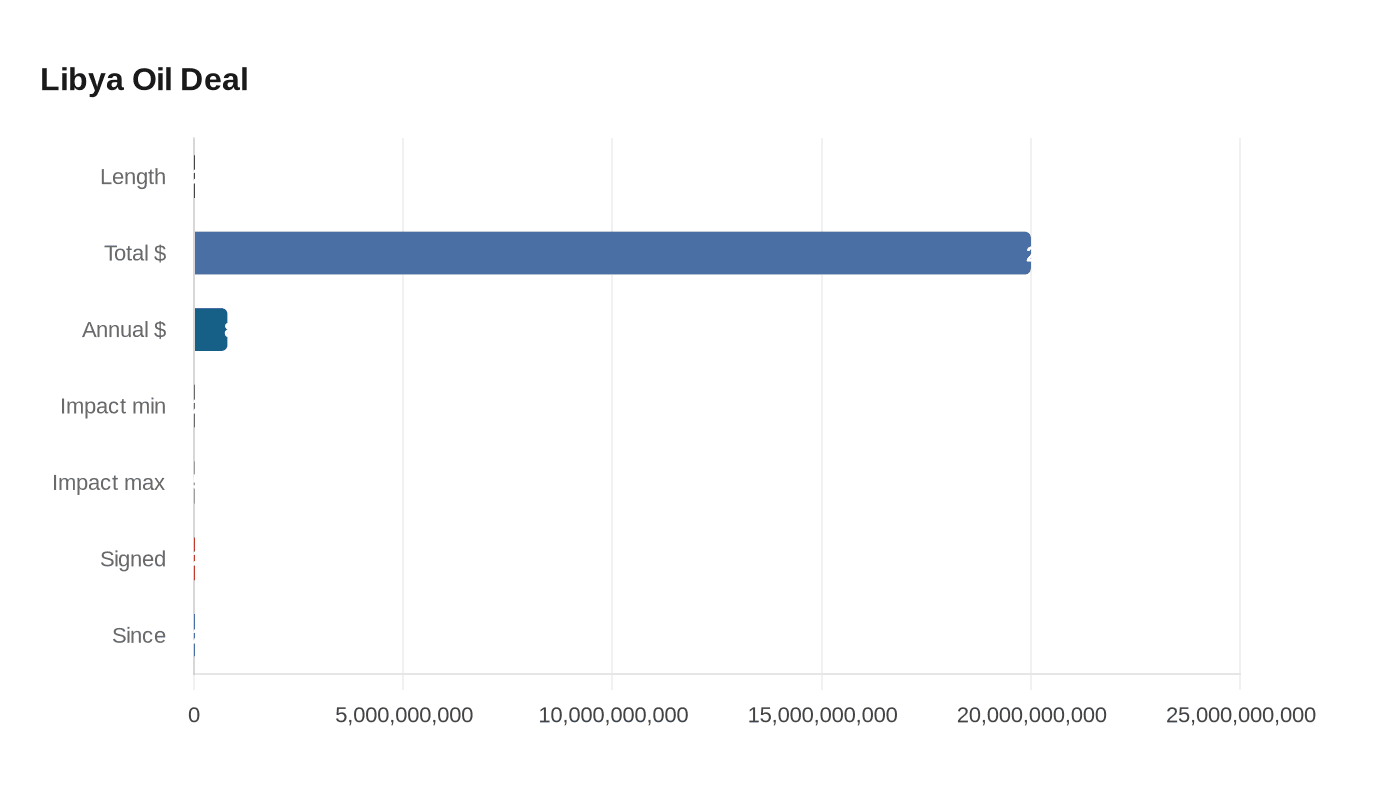
Libya has signed a 25-year oil development agreement with France’s TotalEnergies and the United States’ ConocoPhillips, Prime Minister Abdulhamid al-Dbeibah announced on January 24, 2026. The deal, executed through Waha Oil Company, involves more than $20 billion in foreign-financed investment and is designed to restore and expand production capacity in one of Africa’s most oil-rich states.
The headline figures signal a major commitment of private capital to Libya’s hydrocarbons sector at a time when global markets are sensitive to supply shifts. Spread over 25 years, the investment averages roughly $800 million per year, a scale that could underwrite extensive development of fields, upgrades to aging infrastructure and expanded export facilities. The deal represents one of the largest long-term investments by international oil companies in Libya since the country’s post-2011 political fragmentation.
Libya’s economy remains heavily oil dependent, with hydrocarbons accounting for the bulk of export earnings and state revenue. Restoring stable, higher output would boost government receipts and could ease fiscal pressure in a country that has struggled with revenue volatility from production disruptions. For global markets, any sustained rise in Libyan exports would add spare capacity from a member of OPEC and could influence price dynamics, particularly if investments translate into increased crude flows in the next two to five years.
Operational and political risks are central to assessing the deal’s impact. Libya’s oil sector has been subject to intermittent closures, militia interference and infrastructure neglect over the past decade. Long-term capital commitments by major international firms suggest confidence in a political settlement sufficient to protect investments, but the durability of that environment remains uncertain. The agreement’s execution through Waha Oil Company anchors the project in a domestic operator, which could facilitate coordination with state institutions while exposing the investment to local governance challenges.
Policy implications are immediate for Libya’s authorities and international partners. Effective management of additional revenue will be critical to translate increased oil income into reconstruction, public services and economic diversification rather than fueling renewed factional competition. Transparency around contract terms, revenue allocation and environmental safeguards will be essential to shore up investor confidence and domestic legitimacy. For TotalEnergies and ConocoPhillips, the deal locks in long-dated exposure to oil demand that faces structural pressure from the energy transition, but also secures access to reserves with relatively low breakeven costs compared with new frontier projects.
Details such as production-sharing arrangements, phased investment schedules and expected output increases were not released in the initial announcement. Implementation will test Libya’s regulatory capacity and the willingness of international partners to underwrite security and governance reforms. If the investment materializes as advertised, it could mark a turning point for Libya’s oil industry and provide a sizable fiscal lifeline, but it will also require sustained political stability and clear, accountable management to convert dollars into broad-based economic gains.
This article was produced by Prism’s automated news system from verified source data, official records, and press releases, then run through automated quality and moderation checks before publishing. The system is built and supervised by the people who set the standards it runs under. Read our full AI policy.
Did this article answer your question?

