LIRR strike shuts down service, leaves 300,000 commuters scrambling
About 300,000 daily riders woke to a full Long Island Rail Road shutdown as the first strike since 1994 jammed roads and forced backup plans.

Roughly 300,000 daily commuters were left scrambling as the Long Island Rail Road shut down systemwide, forcing riders onto crowded roads, shuttle buses and work-from-home plans after five unions representing about 3,500 workers walked off the job.
The strike began at 12:01 a.m. Saturday after the unions and the Metropolitan Transportation Authority failed to reach a new contract. It hit the busiest commuter rail system in North America and immediately raised the risk of heavy traffic across Long Island, Manhattan and the rest of New York City, where the railroad is a critical link for workers heading in from Nassau County and Suffolk County.
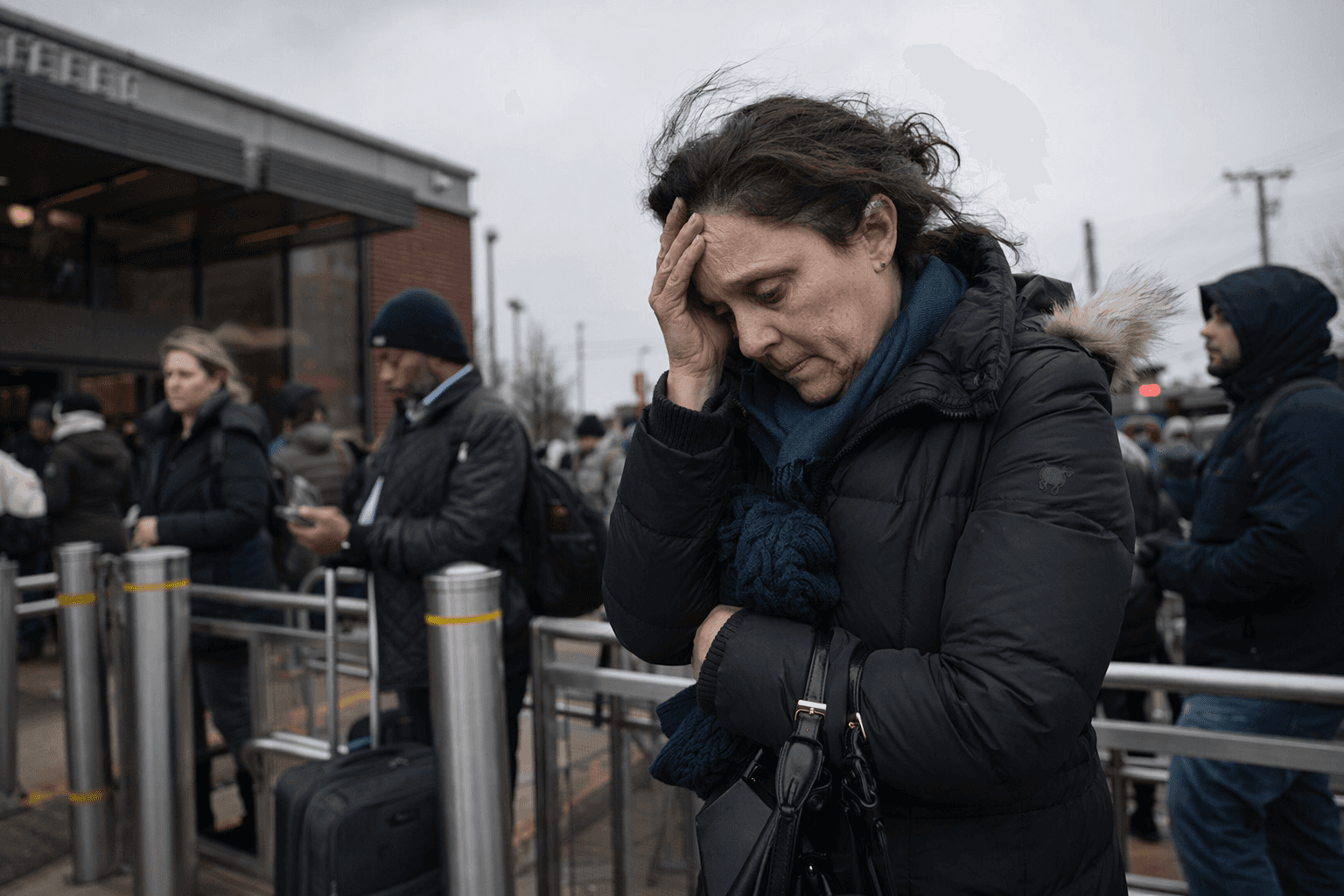
The MTA told riders to work from home if possible and rely on shuttle bus service and other travel alternatives while service remained suspended. For many commuters, those options were no real substitute for the railroad, which carried 82 million customers in 2025, 6.5 million more than in 2024.
Talks resumed Sunday night after the National Mediation Board summoned both sides to the MTA headquarters at 2 Broadway in Manhattan. Negotiators worked until about 1:30 a.m. Monday, then planned to return to the table at 7:30 a.m., but no agreement was in place in time to avert the first Monday morning commute without LIRR service.
The labor fight has put the Brotherhood of Locomotive Engineers and Trainmen and the United Transportation Union among the unions confronting the MTA over pay, working conditions and contract terms. LIRR union representative Mike Carlucci said he appreciated Governor Kathy Hochul’s public comments but criticized the lack of direct negotiations, underscoring how far apart the two sides remained even as the public cost mounted.
This was the first LIRR strike since 1994, when conductors and maintenance workers stopped work on June 17 and the walkout lasted two days before then-Gov. Mario M. Cuomo and his aides imposed a settlement. More than three decades later, the stakes were larger and the transit system more central, but the dispute still reached the same breaking point: a shutdown that shifted the burden immediately onto commuters, roadways and the broader regional economy.
Know something we missed? Have a correction or additional information?
Submit a Tip